“Uncovering the Past” is the inaugural project launched by the MAM & UP-ON Center for Live Art Documentation. Its core mission is to systematically organize and present key moments and valuable archival materials from the history of performance art with an objective and rigorous approach. Through in-depth research and scholarly investigation, the project aims to uncover overlooked threads of practice and historical turning points, thereby producing outcomes of academic value.

UP-ON Performance Art Archive Launches “Chengdu + Shanghai” Dual-City Operation Model
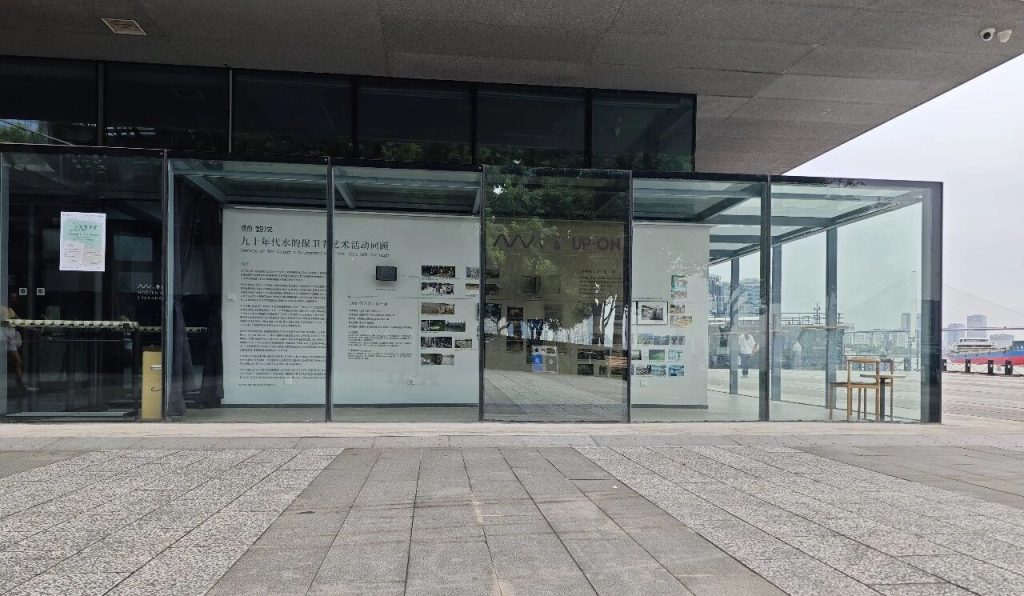
MAM & UP-ON Center for Live Art Documentation
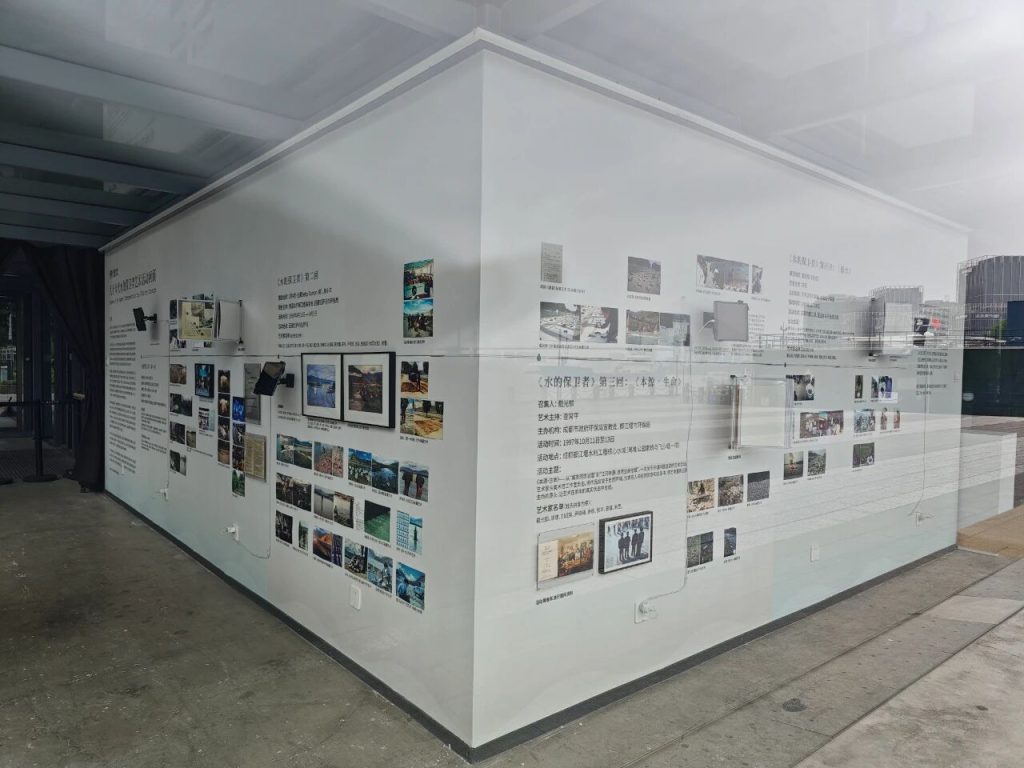
In June 2026, the MAM & UP-ON Center for Live Art Documentation was established in Shanghai. Its inaugural project, Pusu: Uncovering the Past, sponsored by Pusu, was immediately launched, and the first exhibition, A Brief History of Shanghai’s 1980s Avant-Garde Art, opened successfully. Following a schedule of quarterly updates—four issues per year—Issue 2 of Pusu: Uncovering the Past, titled A Retrospective of the “Defenders of Water” Art Movement in the 1990s, opened on September 27.
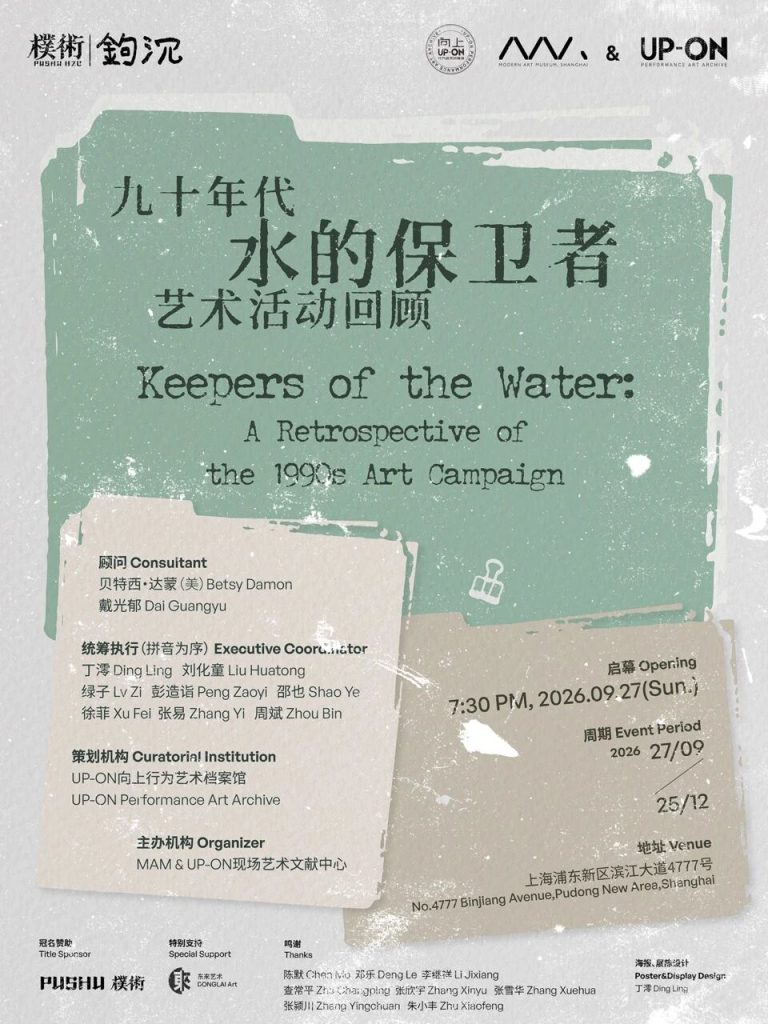
Poster for “A Retrospective of the ‘Defenders of Water’ Art Movement in the 1990s”
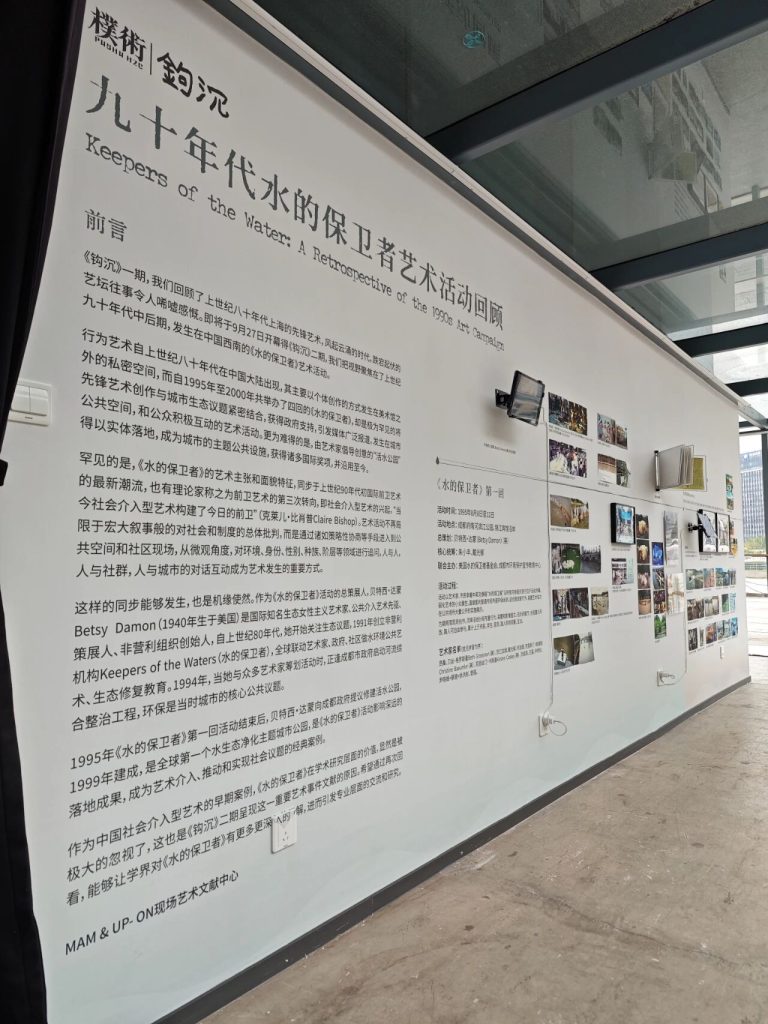
In Issue 1 of Pusu: Uncovering the Past, we looked back at Shanghai’s avant-garde art scene in the 1980s; the ups and downs of the art world’s history left us with a sense of nostalgia and reflection. At the time, friends joked that UP-ON was merely “paying its respects” upon first arriving in Shanghai. In Issue 2 of Pusu: Uncovering the Past, we shifted our focus to the Defenders of Water art initiative, which took place in southwest China during the mid-to-late 1990s. Friends again joked that we were “giving back to our roots”—which isn’t entirely accurate; our selection was primarily based on academic judgment and criteria.
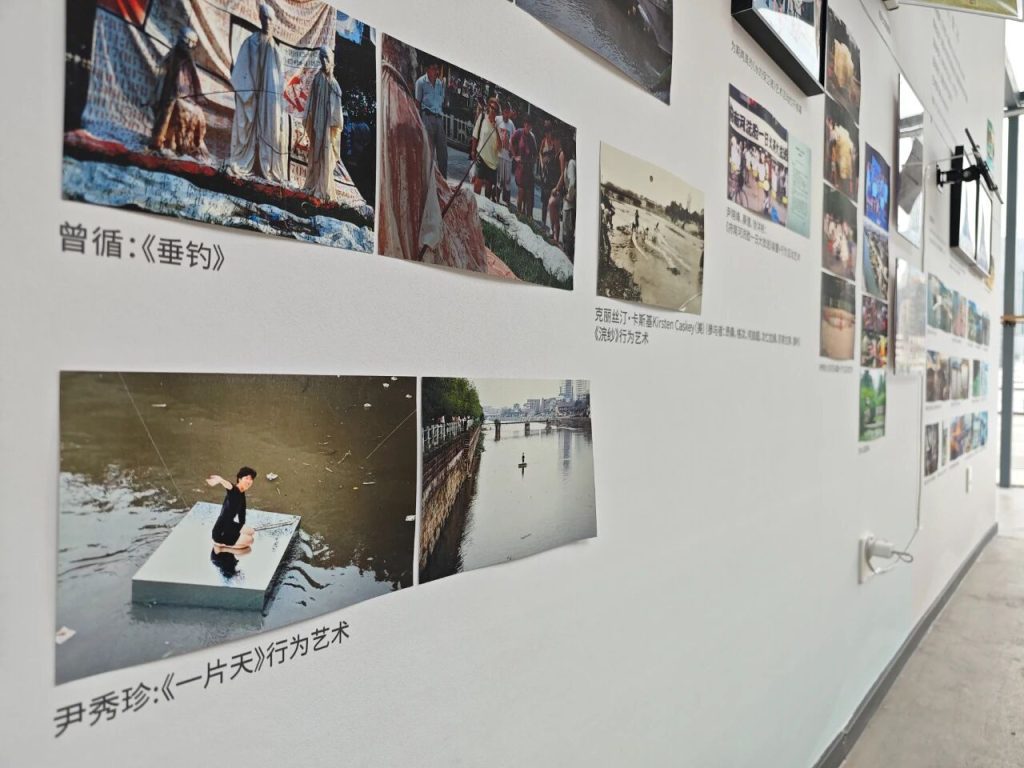
Performance art emerged in mainland China in the 1980s, primarily taking the form of individual creations in private and localized spaces outside the public eye. However, the “Defenders of Water” series—held four times between 1995 and 2000 (Chengdu in 1995, Lhasa in 1996, 1997 in Chengdu, and 2000 in Chengdu). It was an exceptionally rare artistic initiative that closely integrated avant-garde art with urban ecological issues, garnered government support, attracted extensive coverage from mainstream media, took place in urban public spaces, and actively engaged with the public. Even more remarkable is that the “Living Water Park”—a concept conceived and championed by the artists—was successfully realized as a tangible project, becoming a signature public facility in the city. It has won numerous international awards and remains in use to this day.
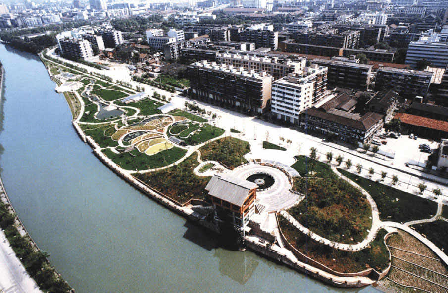
Aerial View of Living Water Park
Another key focus of The Defenders of Water is that its artistic philosophy and aesthetic characteristics are fully aligned with the latest trends in international avant-garde art in the early 1990s—a period some theorists refer to as the “third turn” in avant-garde art, namely the rise of socially engaged art: “Socially engaged art today constitutes the contemporary avant-garde” (Claire Bishop). Artistic practice is no longer confined to grand-narrative-style, sweeping critiques of society and institutions; instead, through means such as strategic negotiation, it enters public spaces and community settings to examine issues such as the environment, identity, gender, race, and class from a micro-level perspective. Dialogue and interaction between individuals, between individuals and communities, and between individuals and the city have become key modes through which art unfolds.
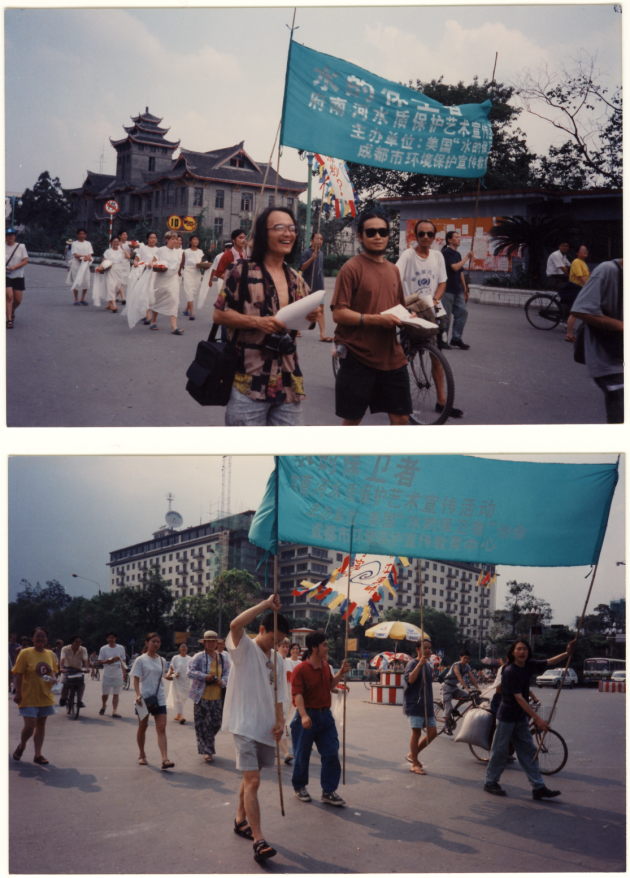
The First Two-Week “Guardians of Water” (Chengdu) Art Event Kicks Off
As an early example of socially engaged art in China, the academic value of “Guardians of Water” has clearly been overlooked—which is why the second issue of Gouchen presents documentation of this significant artistic event. We hope that by revisiting this event, the academic community will gain a deeper understanding of The Water Defenders, allowing these documents—long overlooked, rarely mentioned, and under-examined in the narrative of Chinese art history—to be rediscovered and cherished, thereby sparking professional dialogue and research.
Throughout the preparation and execution of the exhibition, we received invaluable support from many colleagues. During casual conversations over tea at the foot of Mount Qingcheng with mentors and friends Dai Guangyu, Liu Chengying, and Cha Changping, long-forgotten memories were rekindled. Through their vivid oral accounts, the creative intentions from 30 years ago, the details of the event, and the controversies and explorations came to life in a vivid and three-dimensional way. An online video interview with the project’s initiator, Betsy Damon (USA), allowed us to further clarify the origins, original intentions, and developmental trajectory of this artistic practice. In particular, within the “Guardians of Water” documentation group, more than 20 eyewitnesses from that era actively shared their precious firsthand materials and enthusiastically participated in discussions and reminiscences. Through these efforts, fragmented clues—from the initial germination of the project’s concept and cross-disciplinary exchanges, to the trial-and-error and perseverance during its implementation, and finally to the artistic context and historical backdrop of the time—were pieced together one by one to reconstruct a complete picture of the past.
Uncovering the past is a process of collecting, reconstructing, and presenting. Achieving this requires the collective effort of many, and I am once again grateful to the many mentors and friends who joined forces!
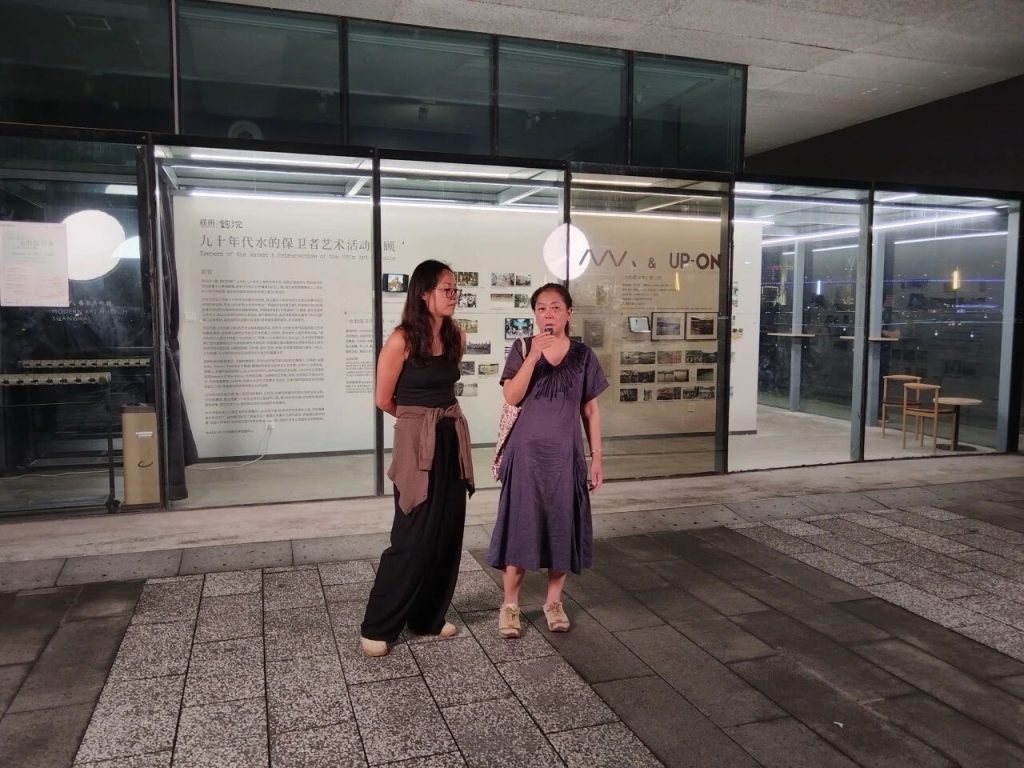
Speech by Ms. Zhang Xin, Artist Representative at the Opening Ceremony
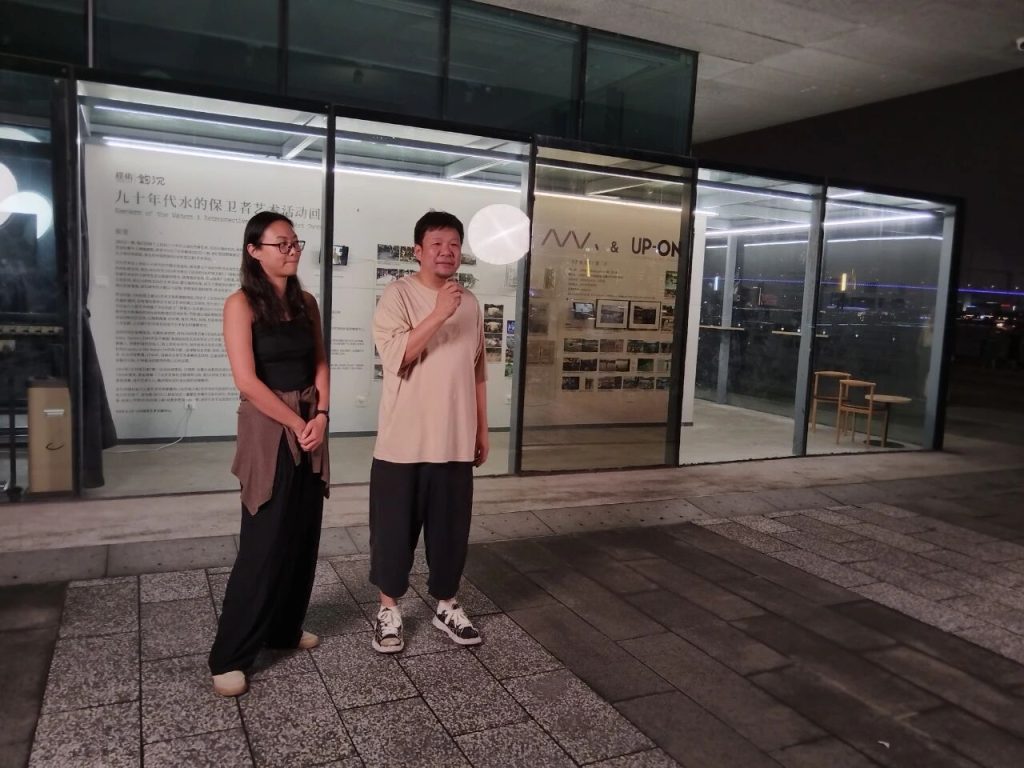
Mr. Shi Nengjie, a representative of Pusu—the opening ceremony’s sponsor—delivered a speech
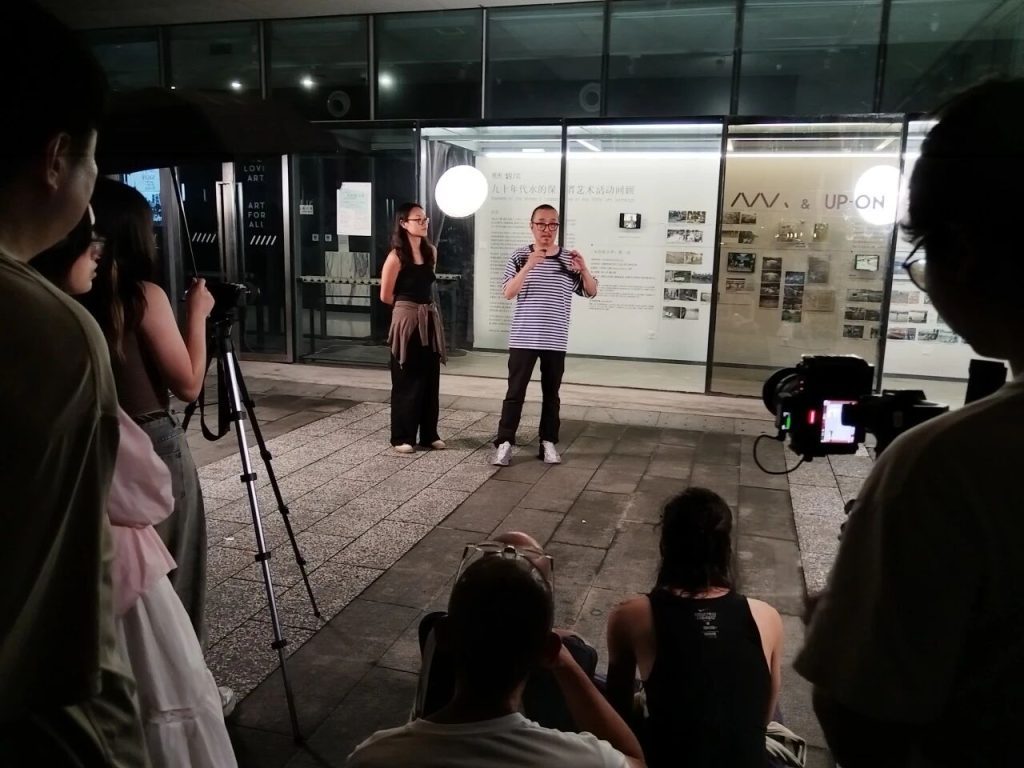
Speech by Ms. Zhang Xi, Representative of the MAM Art Warehouse Museum, at the Opening Ceremony
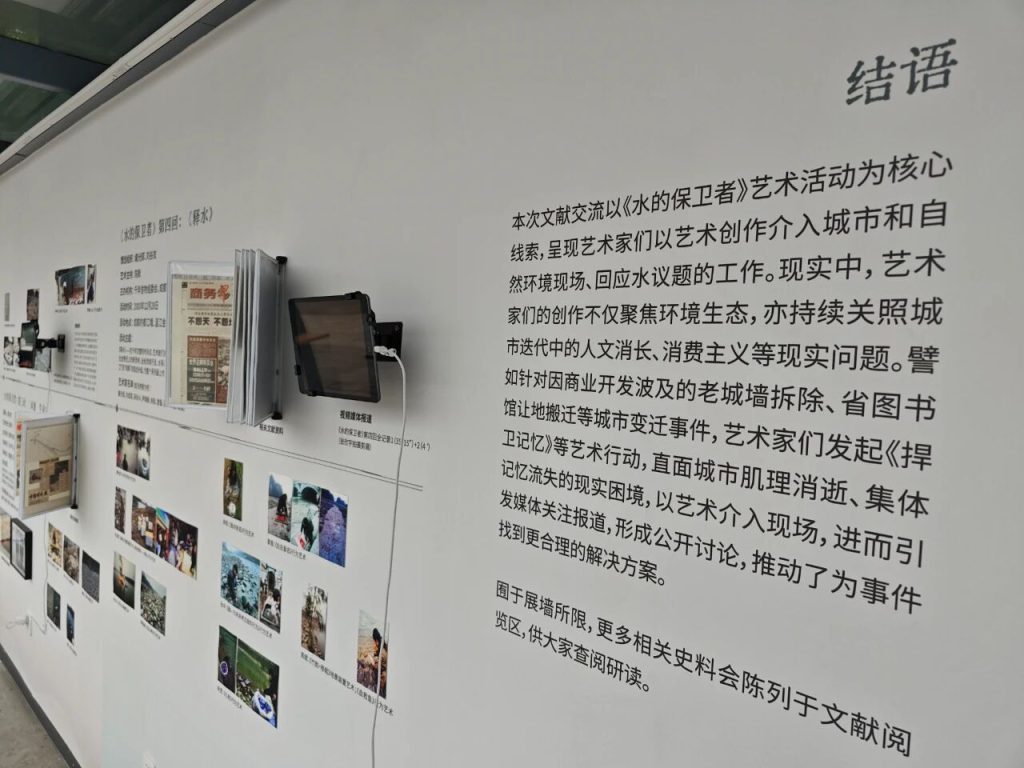
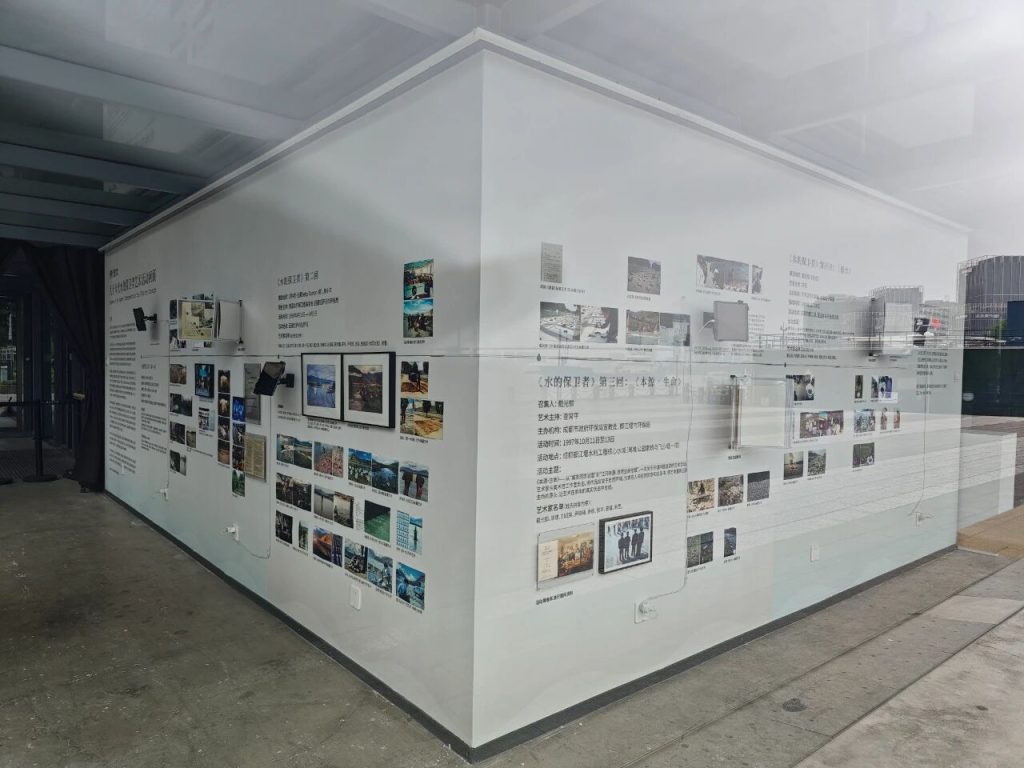
Curtain Up: 7:30 PM, September 27, 2026
Dates: September 27–December 25, 2026
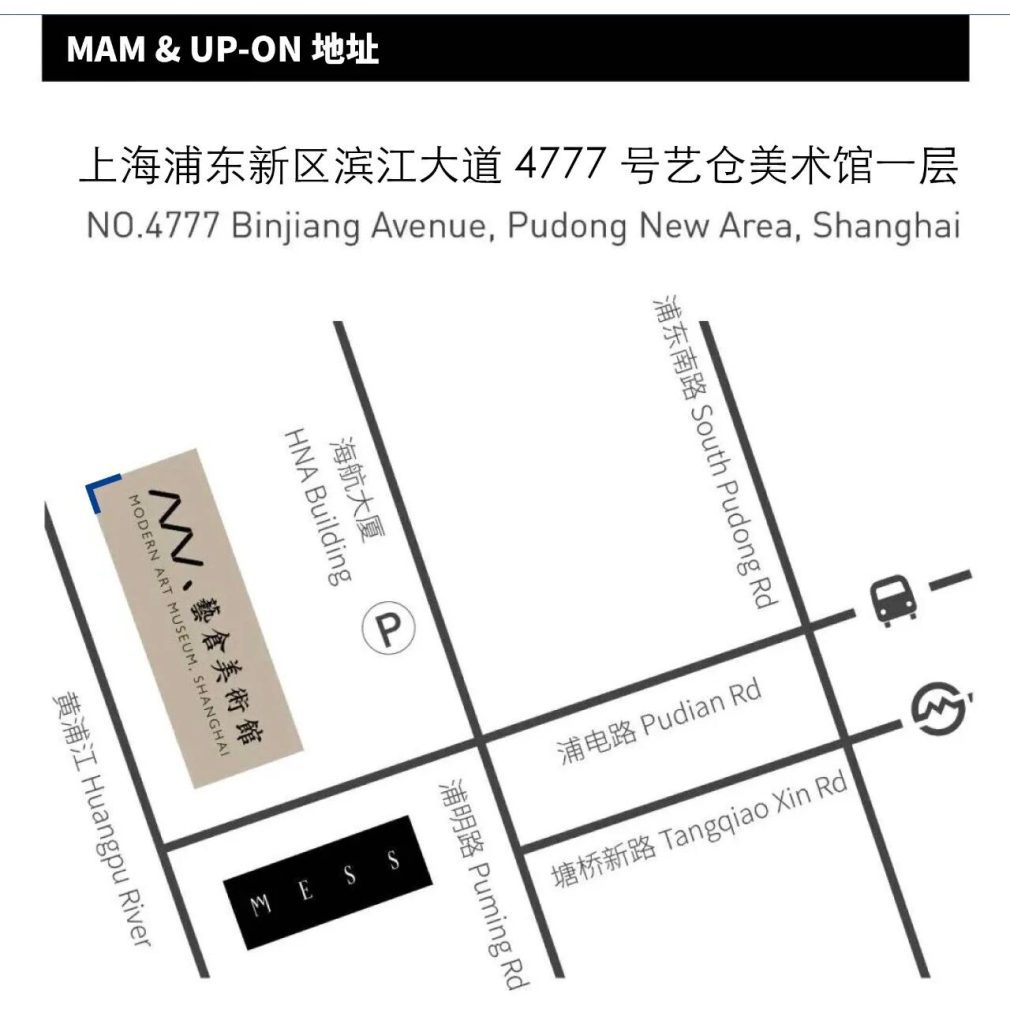
Address: 4777 Binjiang Avenue, Pudong New Area, Shanghai
Advisors (in alphabetical order): Betsy Damon (USA), Dai Guangyu Executive Producers: Ding Lei, Liu Huatong, Lü Zi, Peng Zaoyi, Shao Ye, Xu Fei, Zhang Yi, Zhou Bin
Curated by: UP-ON Performance Art Archive
Organizers: MAM & UP-ON Live Art Documentation Center
Title Sponsor: PUSHU Special Support: DONGLAI ART
Acknowledgments: Chen Mo, Deng Le, Liu Chengying, Li Jixiang, Shen Yunqing, Cha Changping, Zhang Xuehua, Zhang Xinyu, Zhang Yingchuan, Zhu Xiaofeng
Poster and Exhibition Design: Ding Lei
Hours: Tuesday–Sunday, 10:00–18:00 (last admission at 17:30); Closed on Mondays (schedule for public holidays subject to announcement)
Address: 1st Floor, Art Warehouse Museum, 4777 Binjiang Avenue, Pudong New Area, Shanghai
Project Title Sponsorship
Since its founding in 2015, Pusu has been guided by the philosophy of “Stripping Away the Ornate to Reveal Simplicity; Mastering the Art of Composure,” steadfastly blending art and design. We advocate for bringing art into everyday life, weaving it into every detail and expression of our brand to provide contemporary urbanites—regardless of age or background—with a comfortable, minimalist, and high-quality lifestyle experience. Pusu is currently the men’s apparel brand in China that engages most actively and closely with contemporary art.