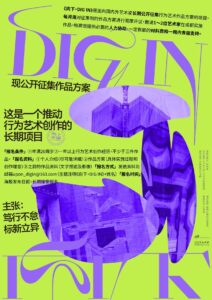
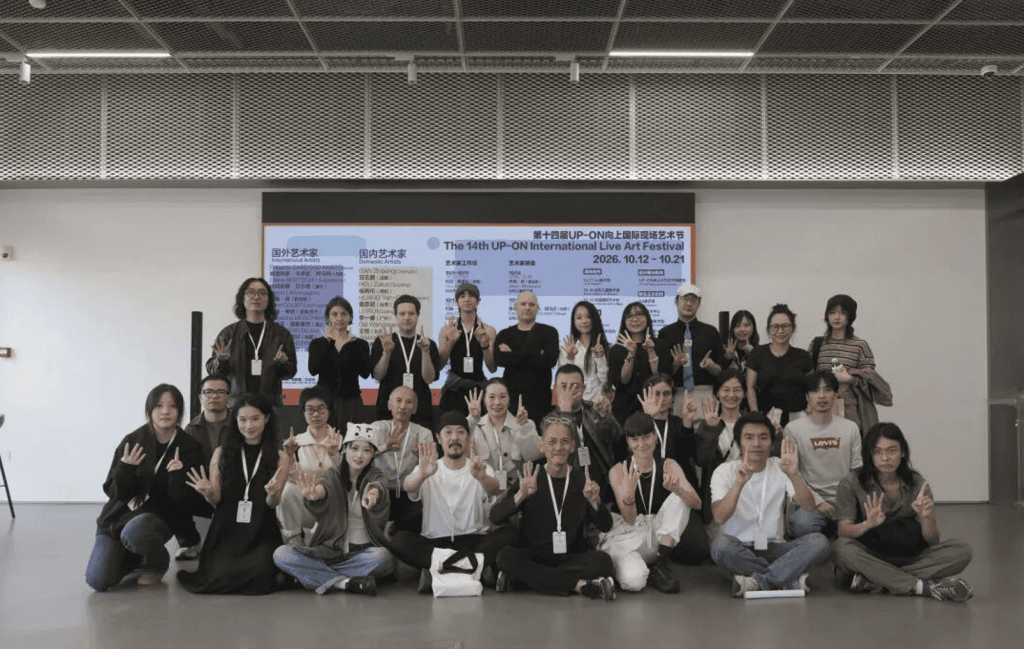
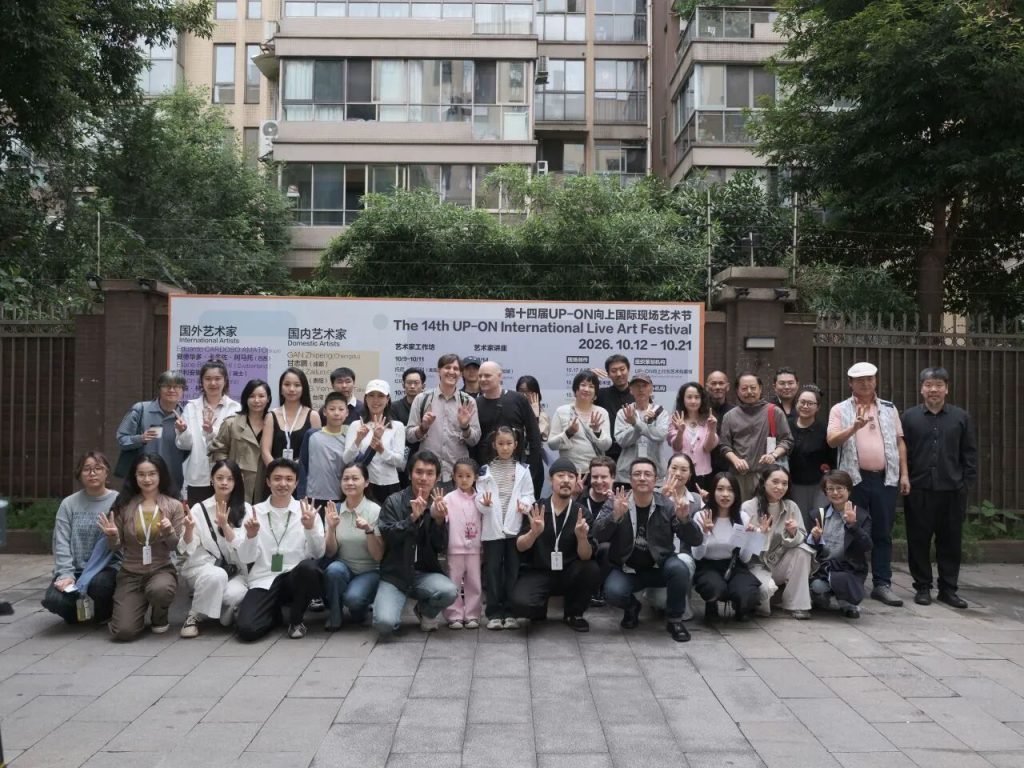
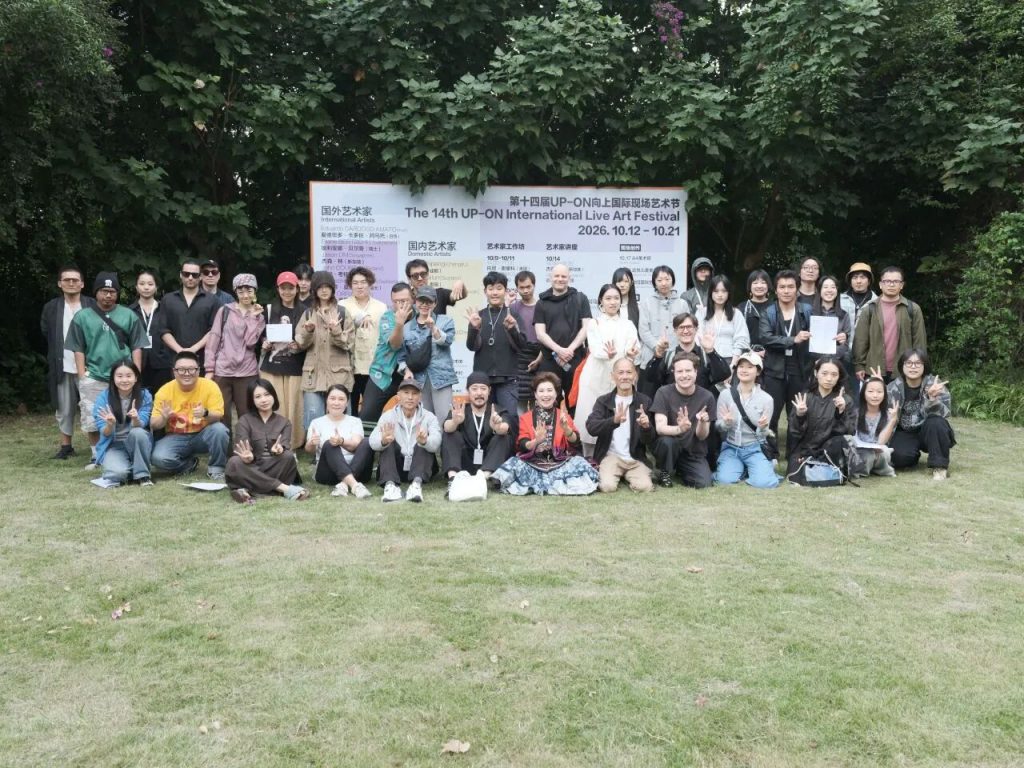
With the 14th edition of the UP-ON Art Festival now concluded, it is time to review, synthesize past experiences, and begin drafting a comprehensive operational manual. How can we improve? This requires both earnest self-reflection and the collective wisdom of others—I look forward to hearing everyone’s insights.
When the UP-ON Art Festival was first established, we identified our primary audience as young people with a passion for art. For over a decade, colleges and universities served as our main venues. Last year, however, our sole institutional partner faced an unforeseen change, and this year, that connection has been completely severed. Given the current climate and the inherent limitations we face, we simply adapt—if the ceiling is low, we bend or crouch, striving for excellence within the space we are granted.
I often draw inspiration from the Zen master Yunmen Wenyan’s teaching: “Every day is a good day.” I do not believe in reincarnation; life is a one-way street, inherently impermanent—so, if there is something you love to do, pursue it with absolute resolve. Bruce Lee once said, “Be water.” In the world of the arts, one might say it requires a “head-on-the-line” commitment—a total shedding of the desire for material gain to achieve a truly unwavering focus.
I shall say no more, save to express my gratitude to all the fellow travelers who have supported us over the years. The 15th UP-ON Art Festival in 2027 is something to look forward to—let’s keep moving upward, year after year!
by Zhou Bin
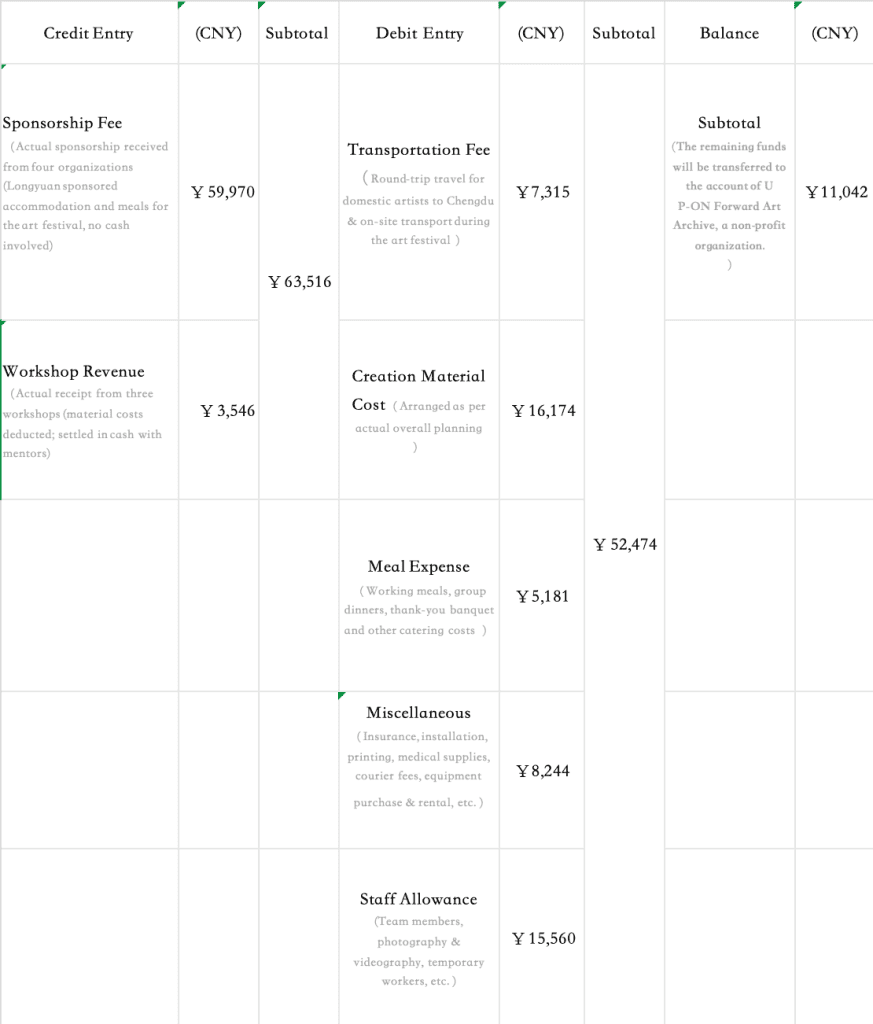
Art Festival Accounts
Credits
Project Coordinator: Huang Jiao
Festival Director: Zhou Bin
Accounting Manager: Liu Chengying
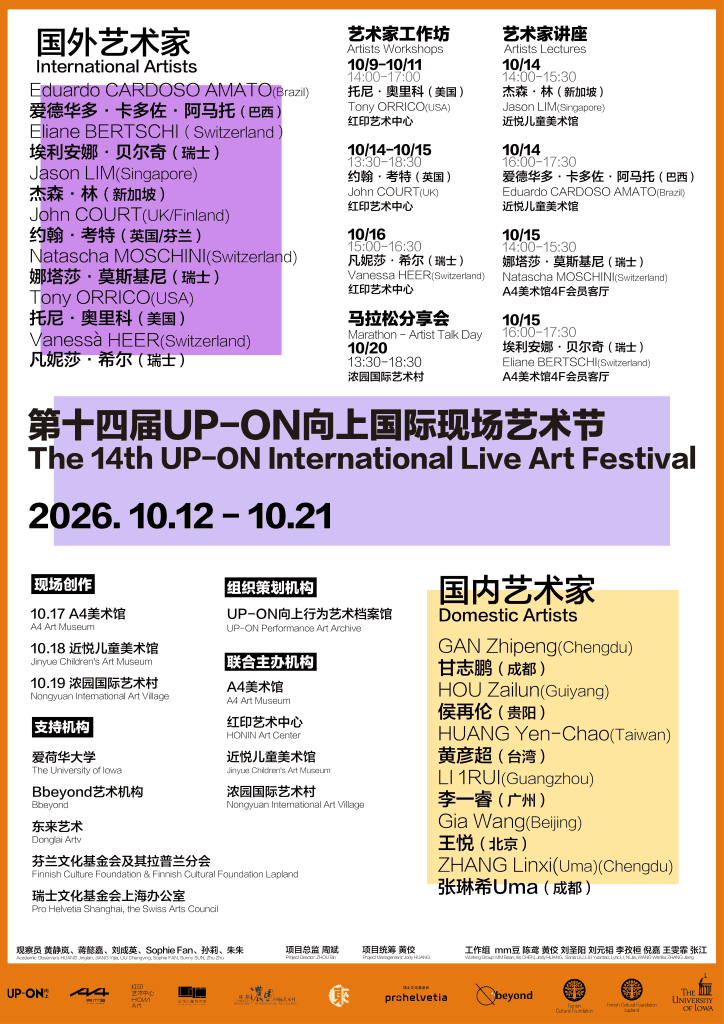
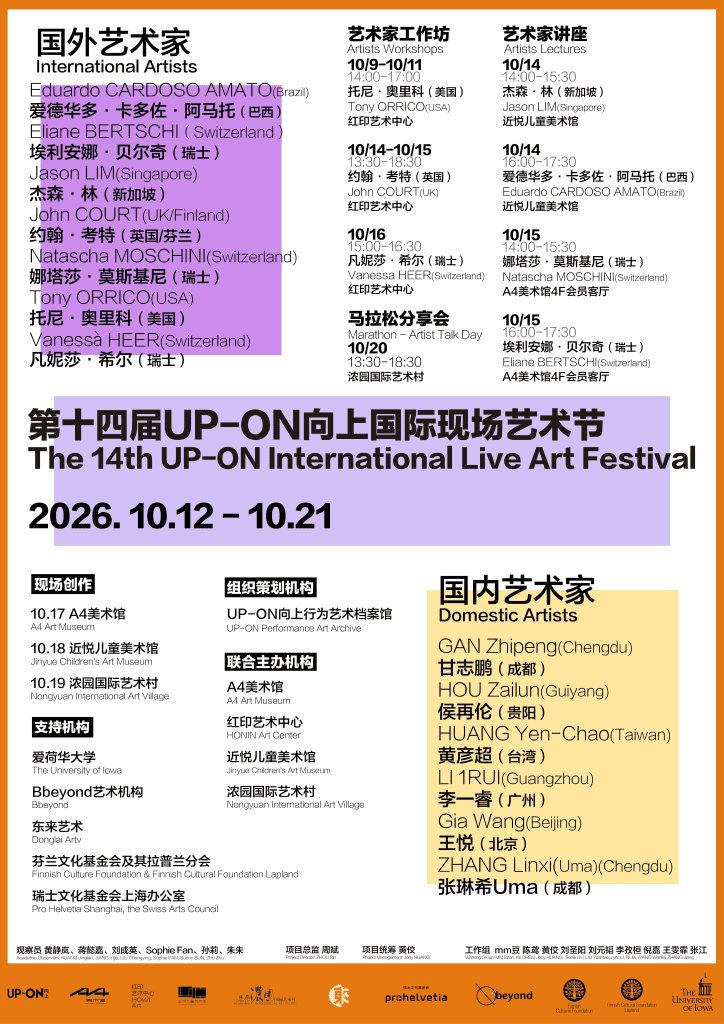
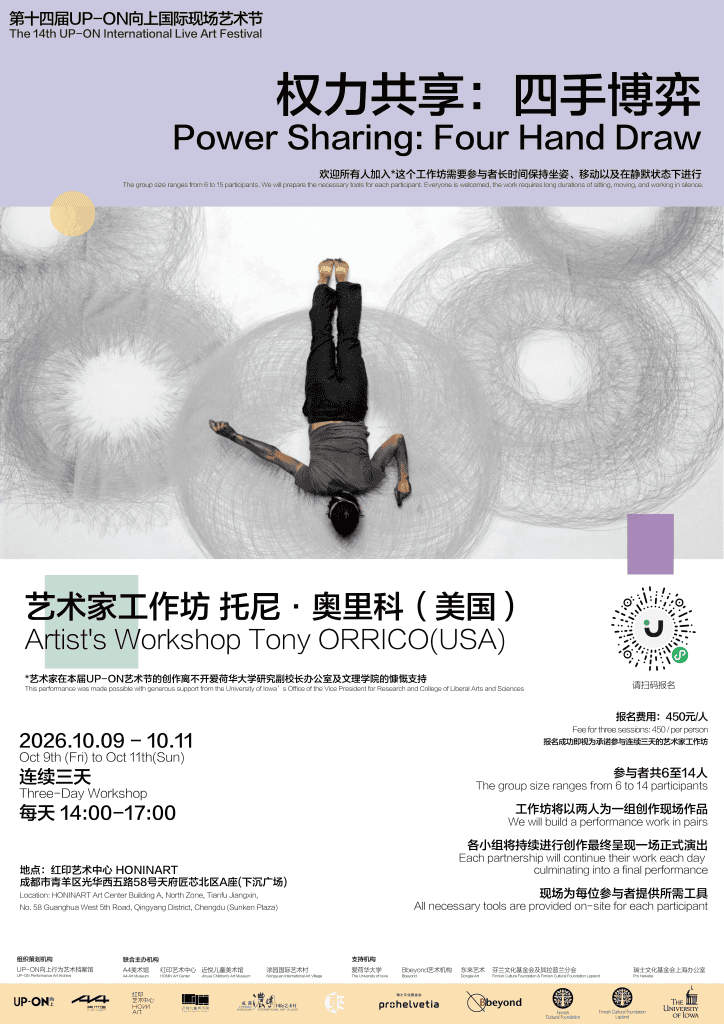
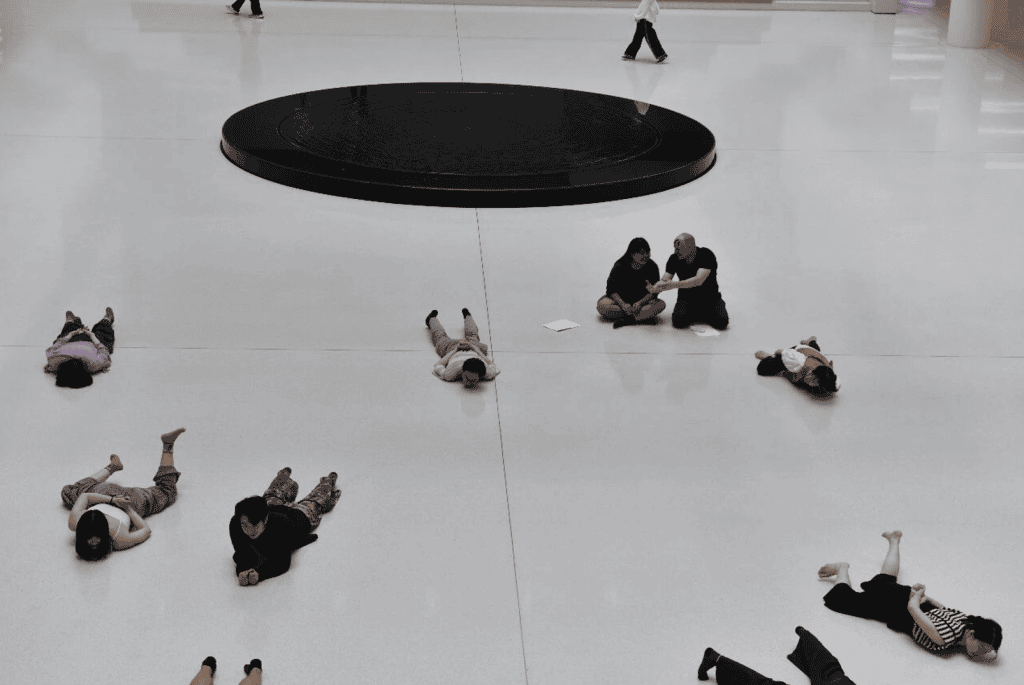
Artist Workshop, Honin Art Center
Oct 9-11 14:00-17:00
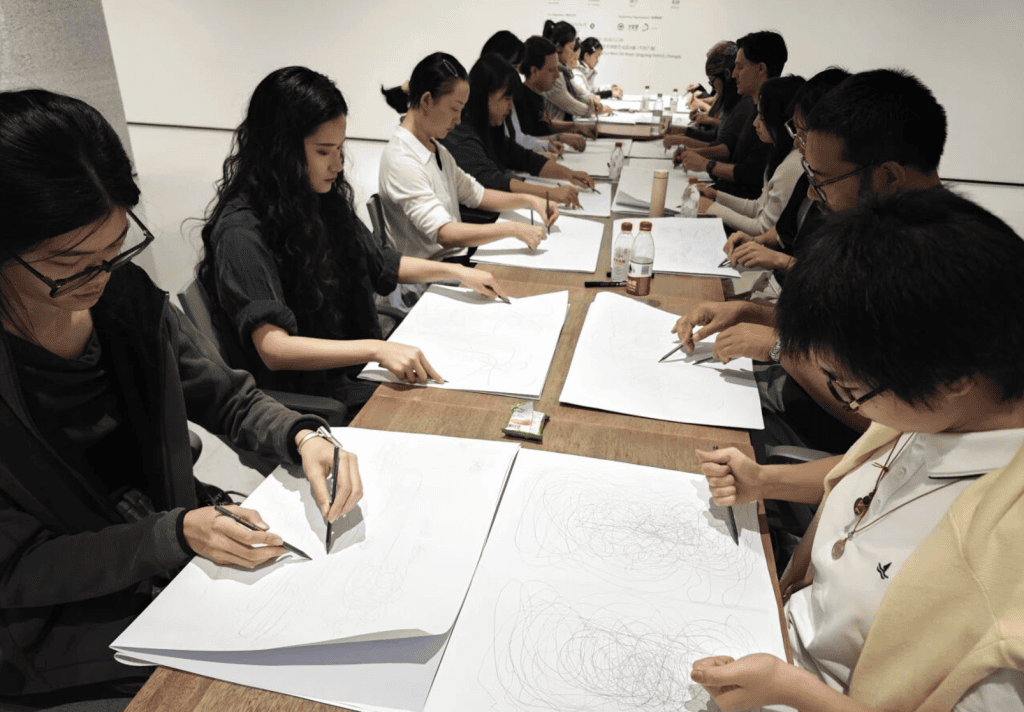
Power Sharing: Four Hand Draw
Artist: Tony Orrico(USA)
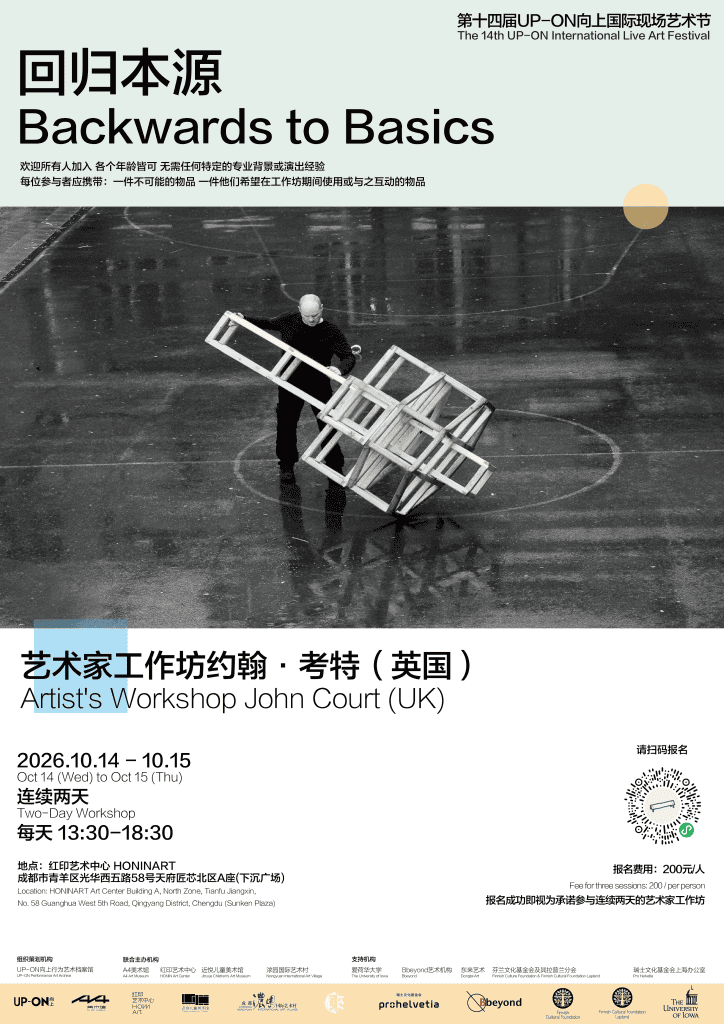
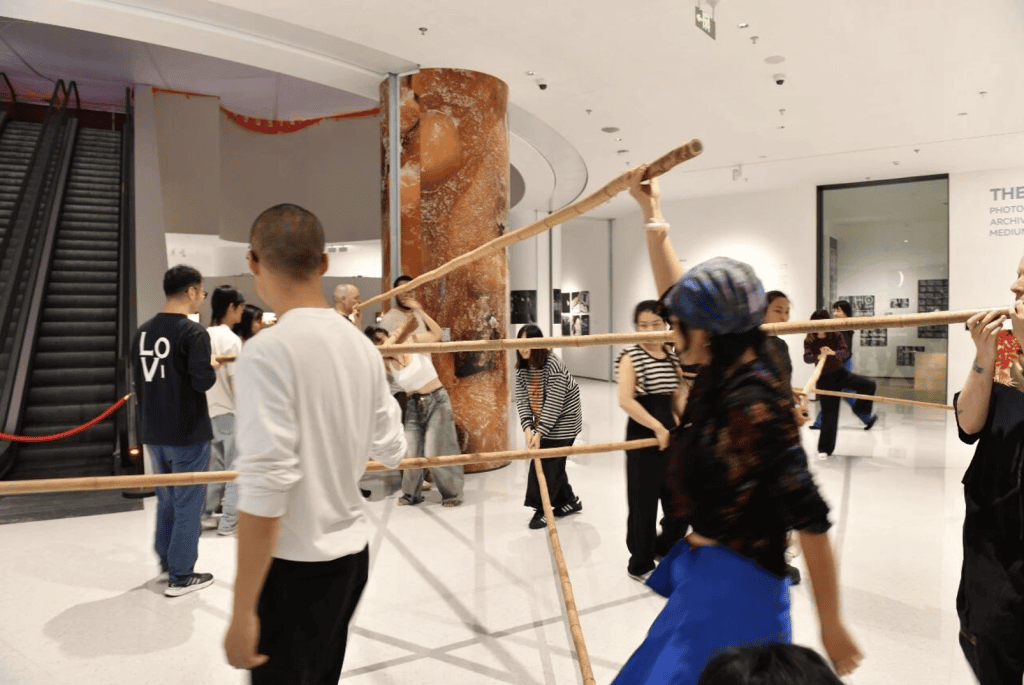
Oct 14-15 13:30-18:30
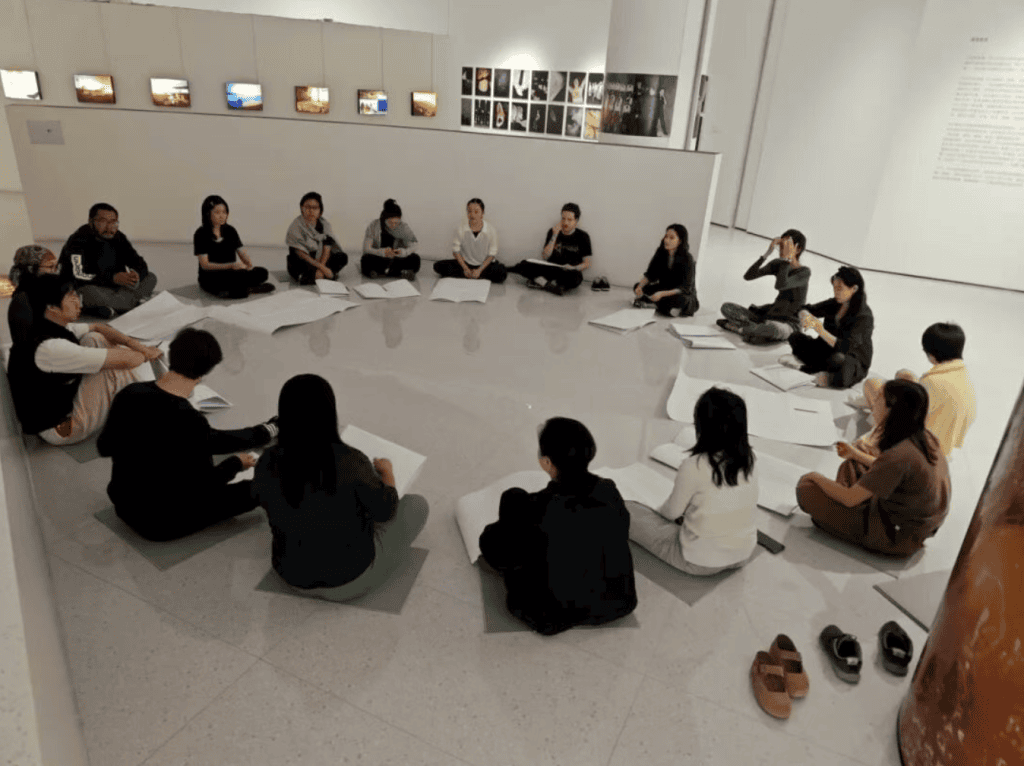
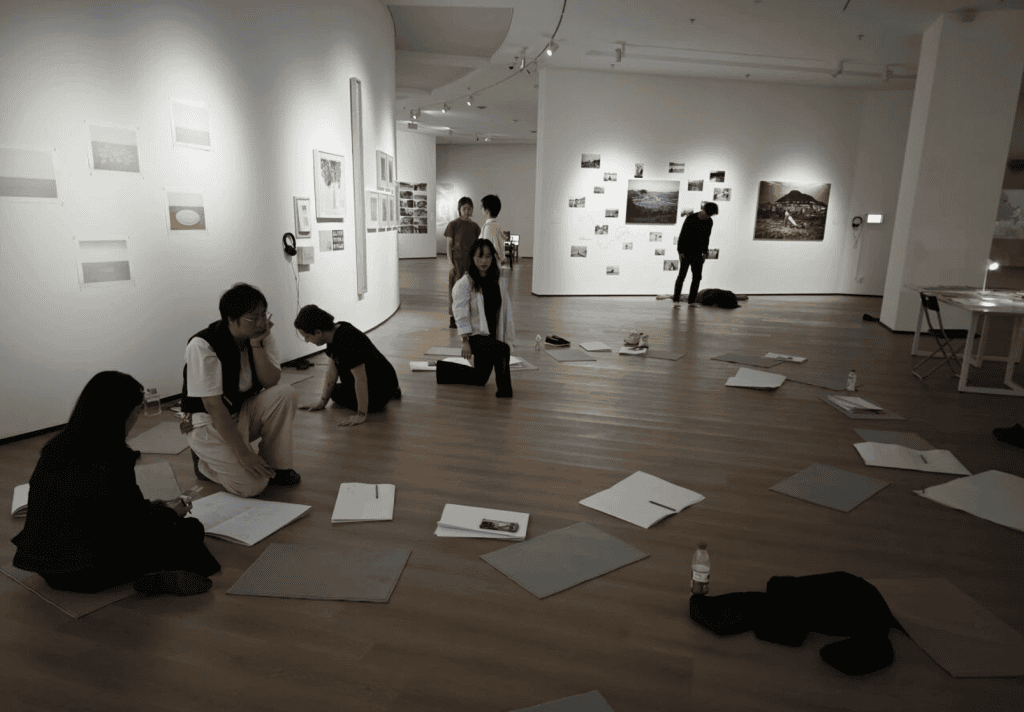
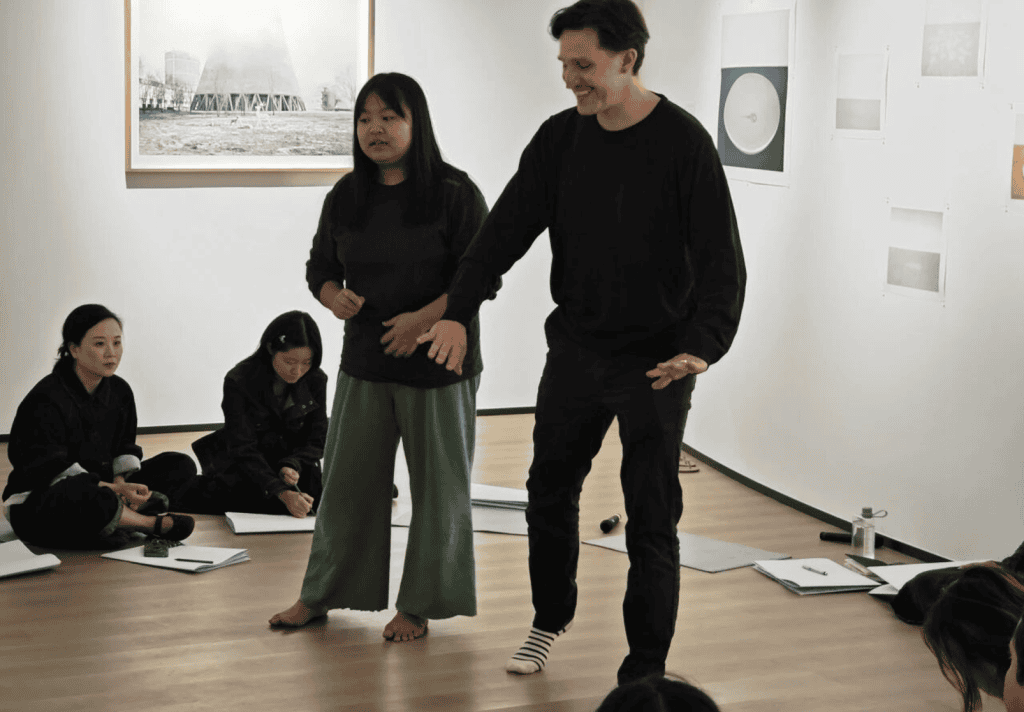
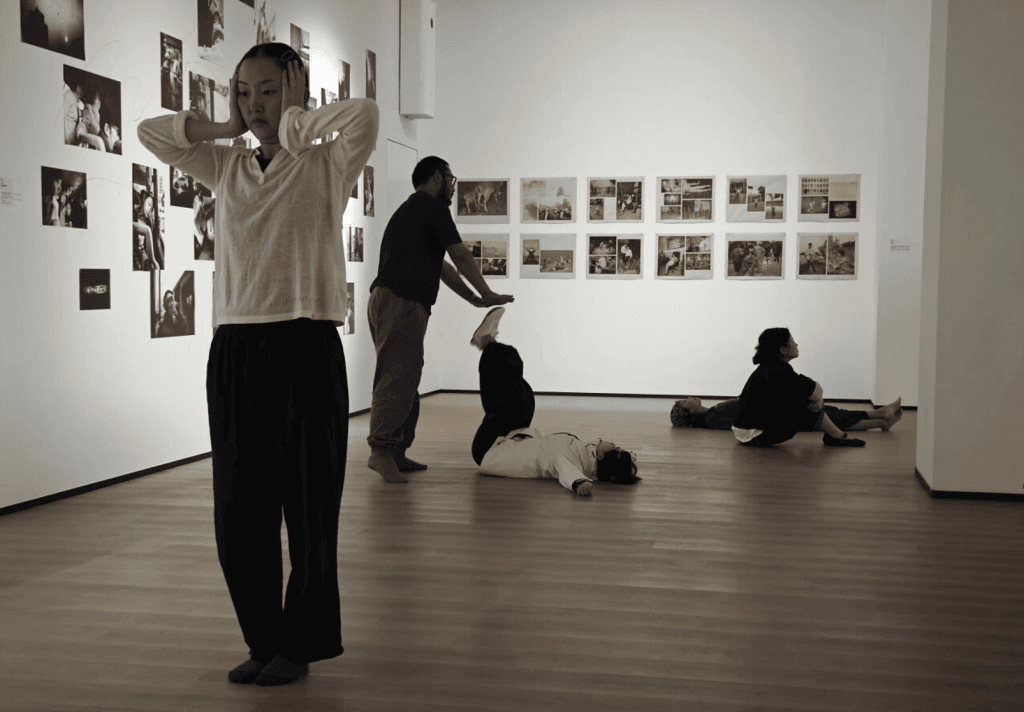
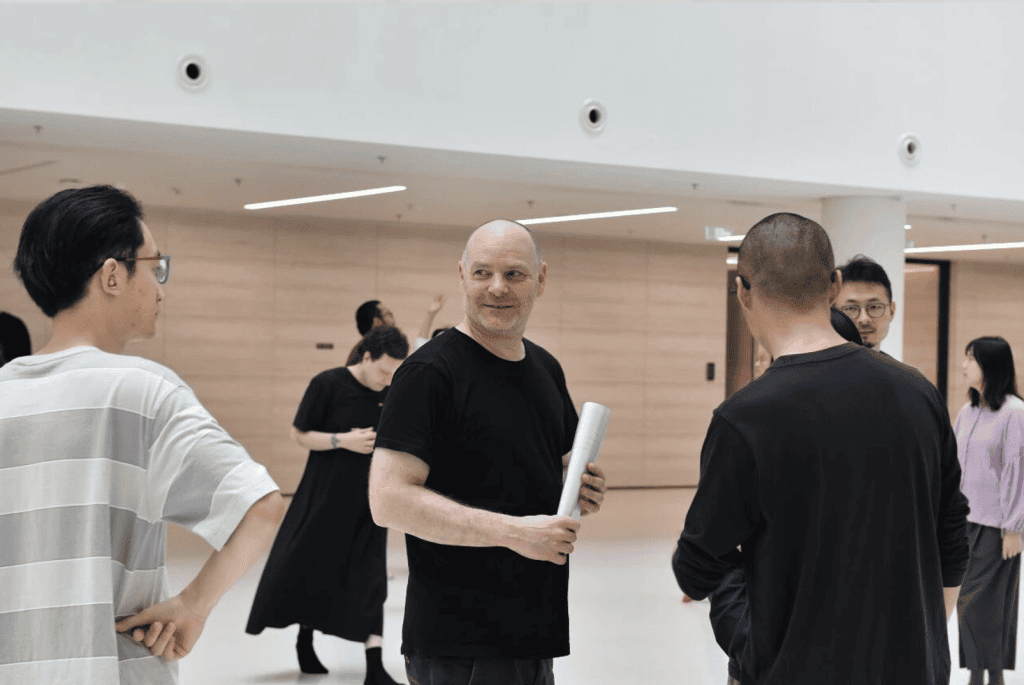
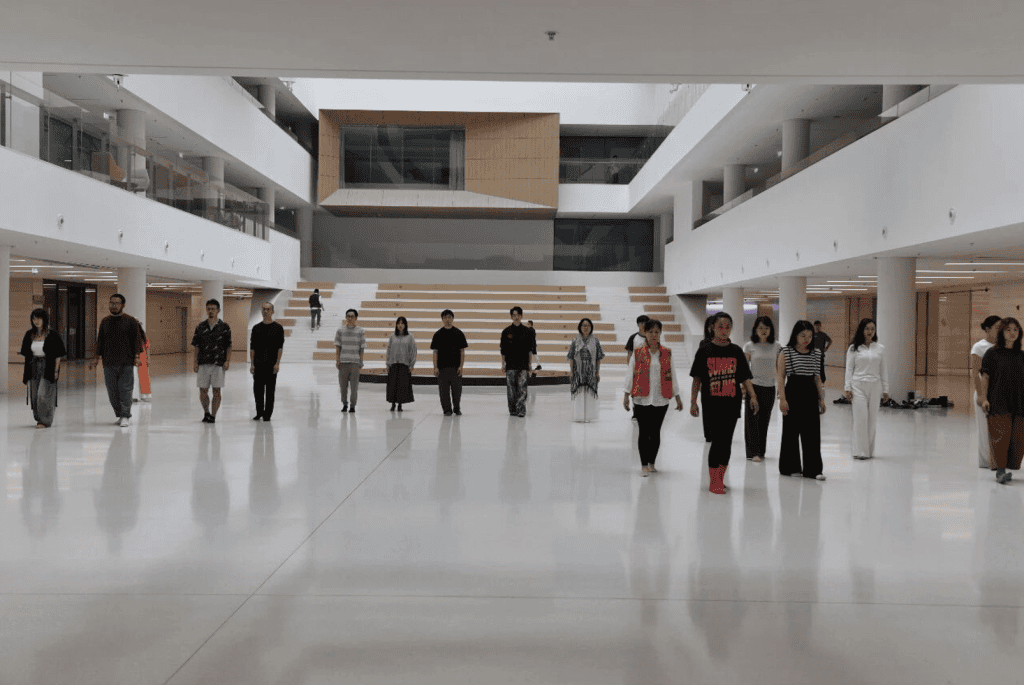
Backwards To Basics
Artist: John Court(UK/Finland)
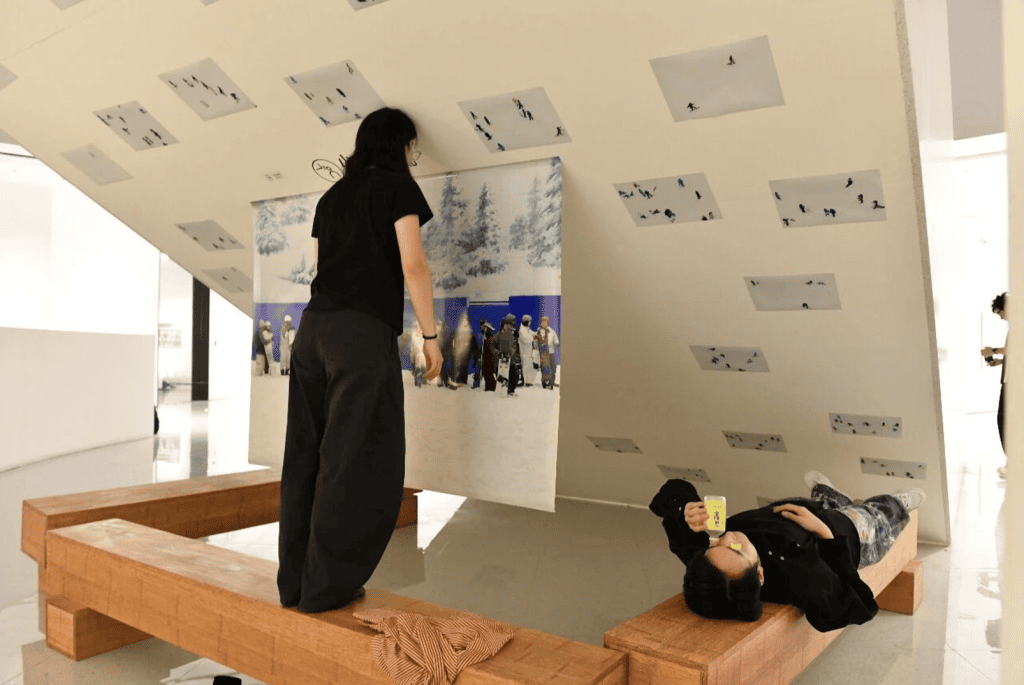
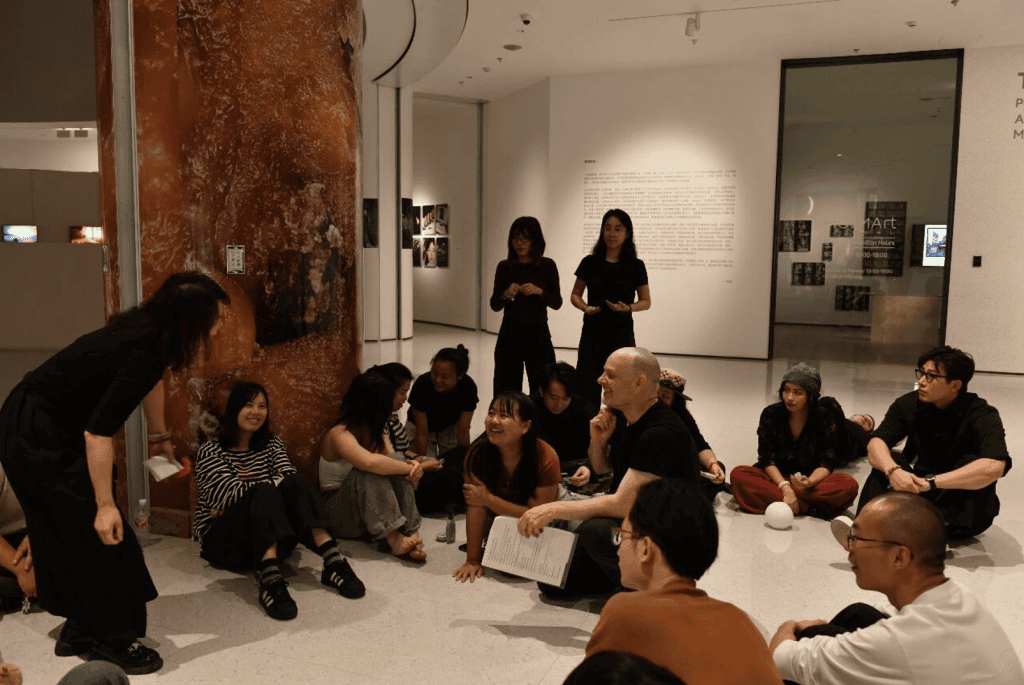
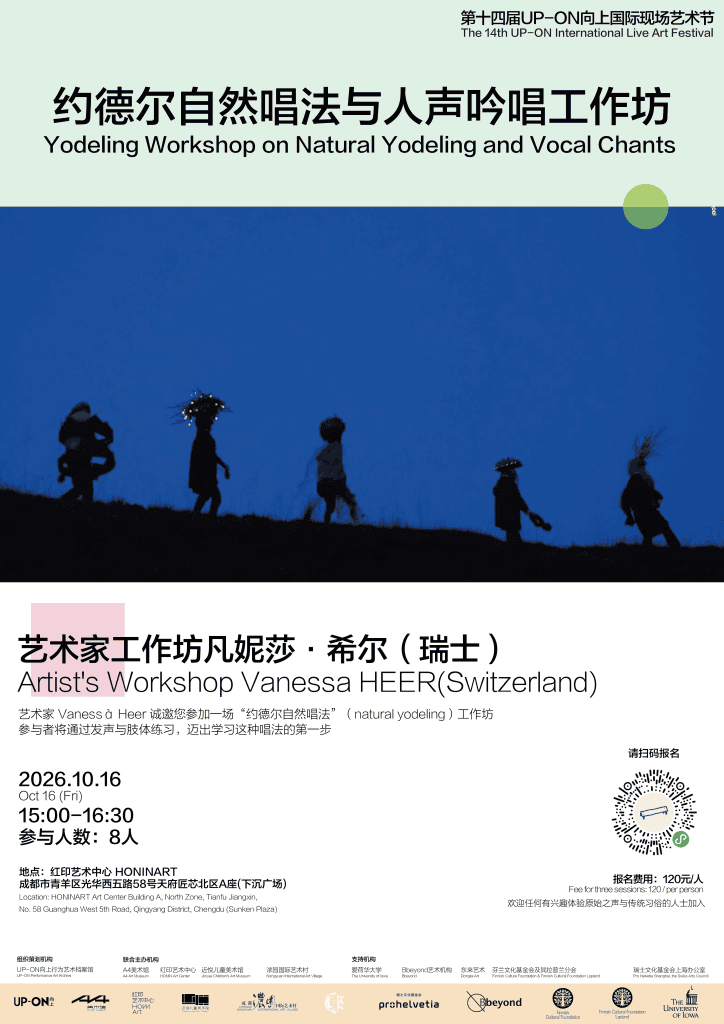
Oct 16 15:00-16:30
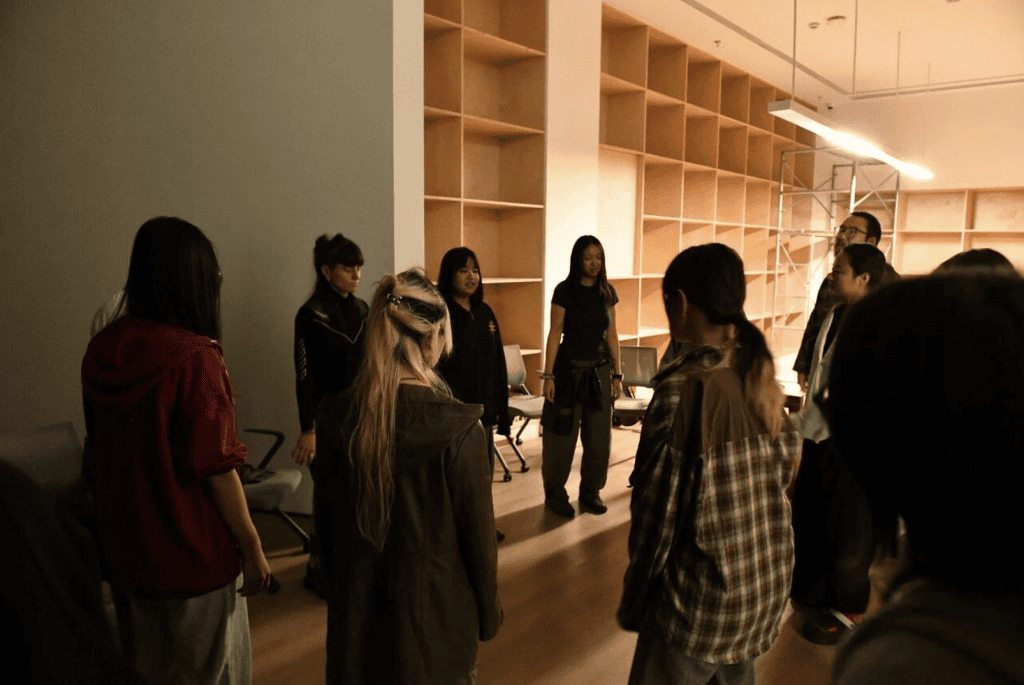
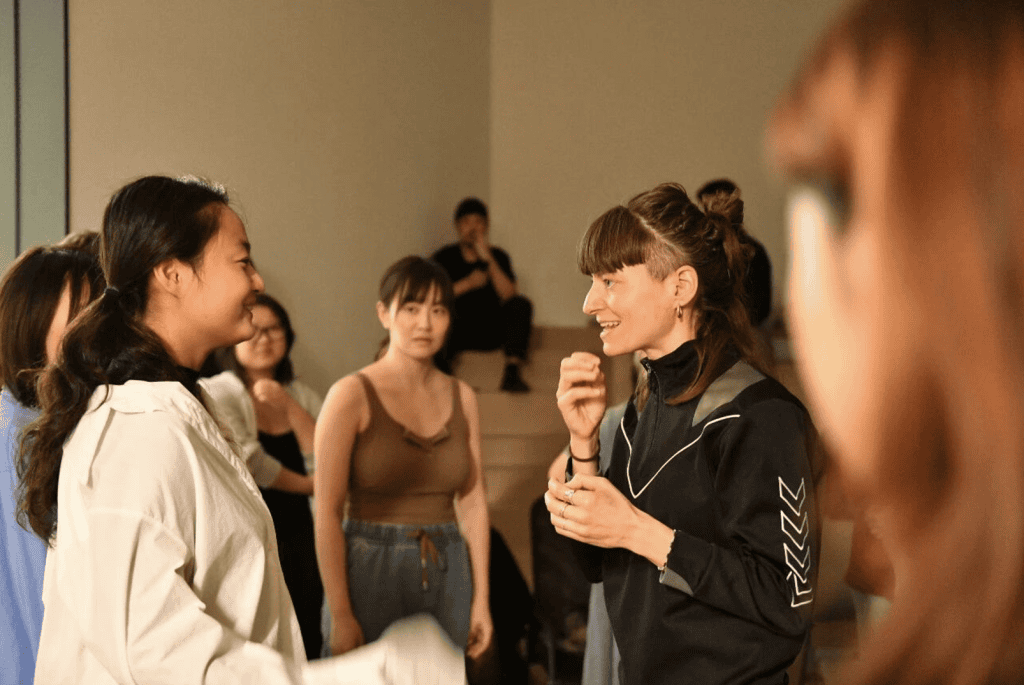
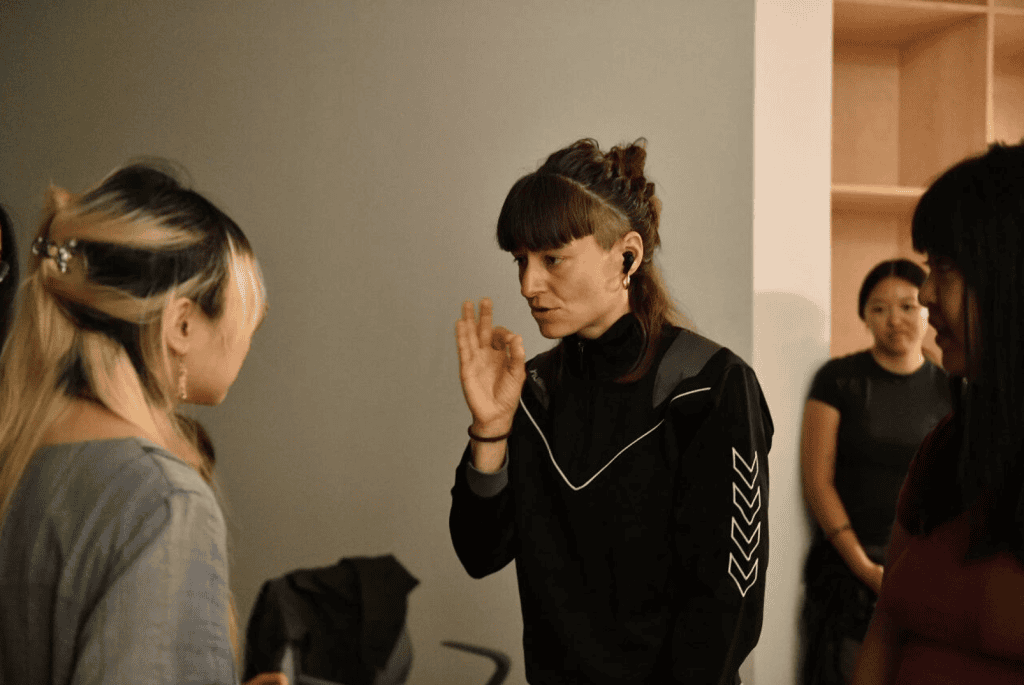
Yodeling Workshop On Natural Yodeling and Vocal Chants
Artist:Vanessà Heer(Swizterland)
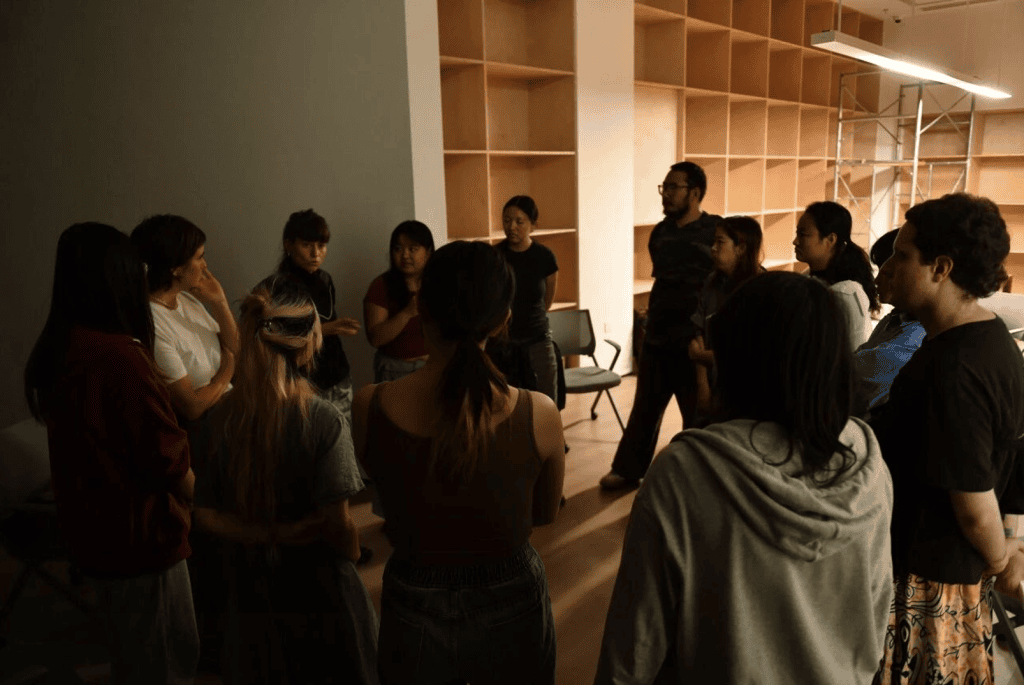
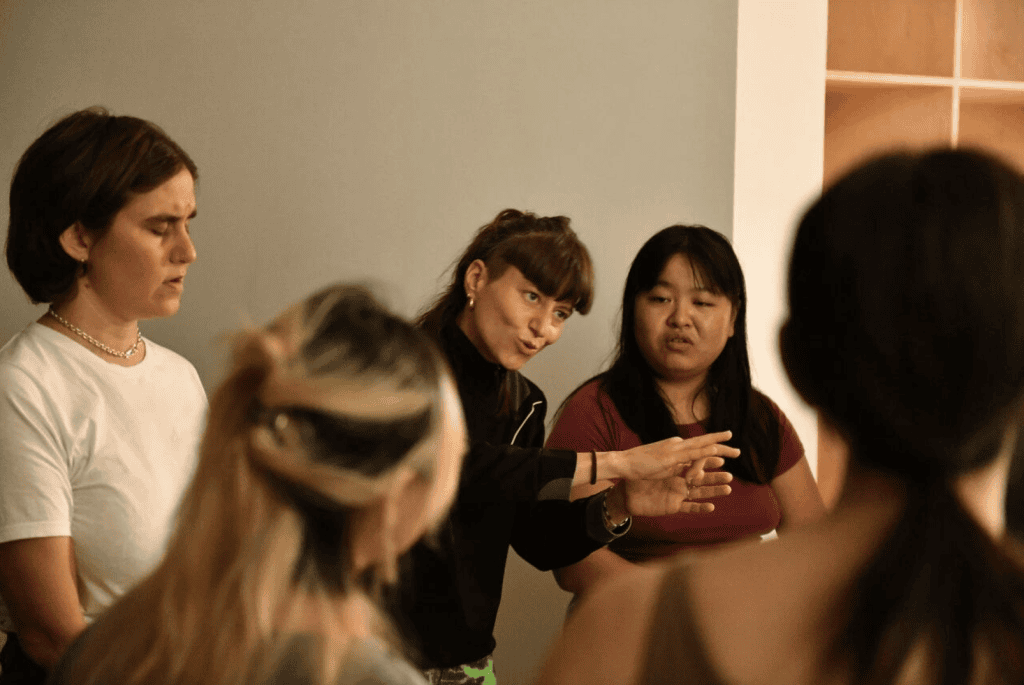
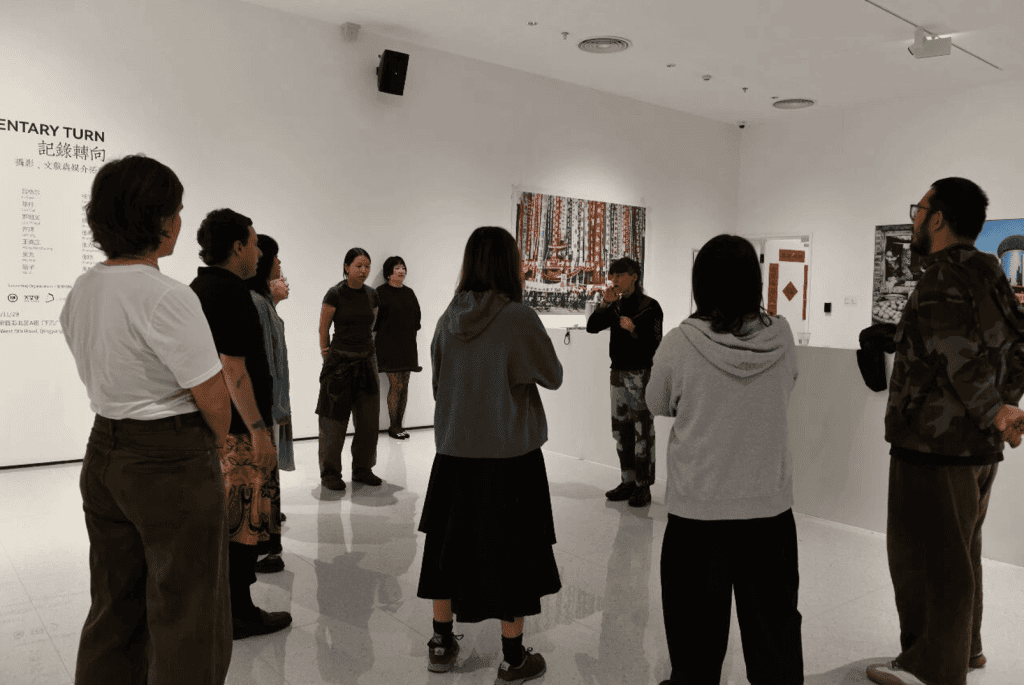
Artist Lectures
Oct 14, Jinyue Children’s Art Museum
14:00-15:30
Jason LIM(Singapore)
Clay and Performance Art: From Weight to Resonance
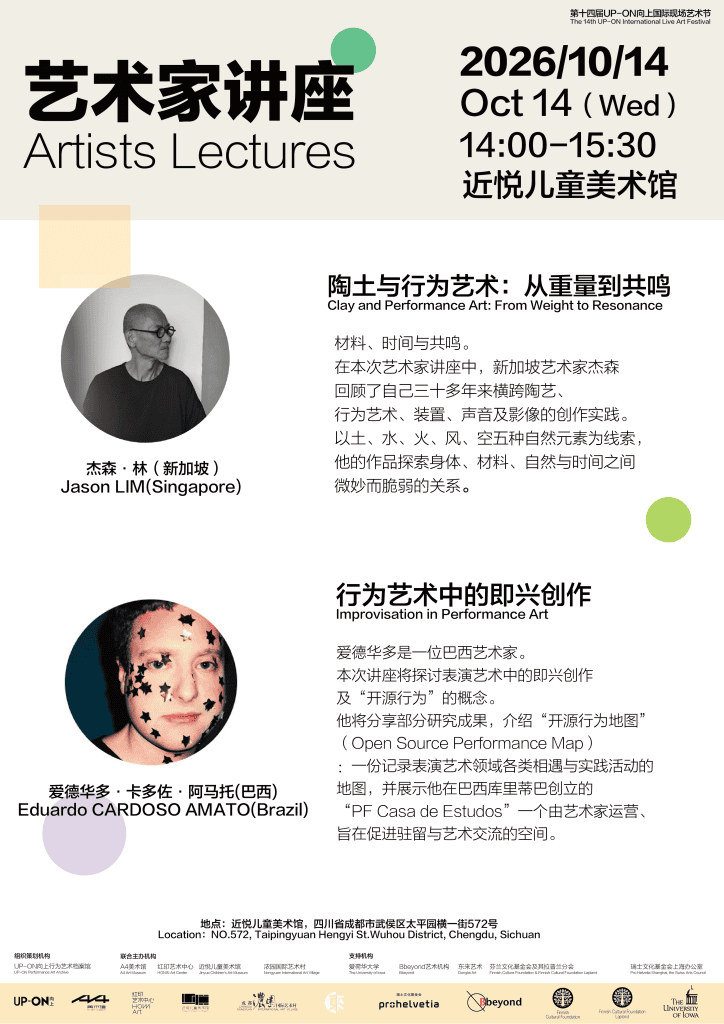
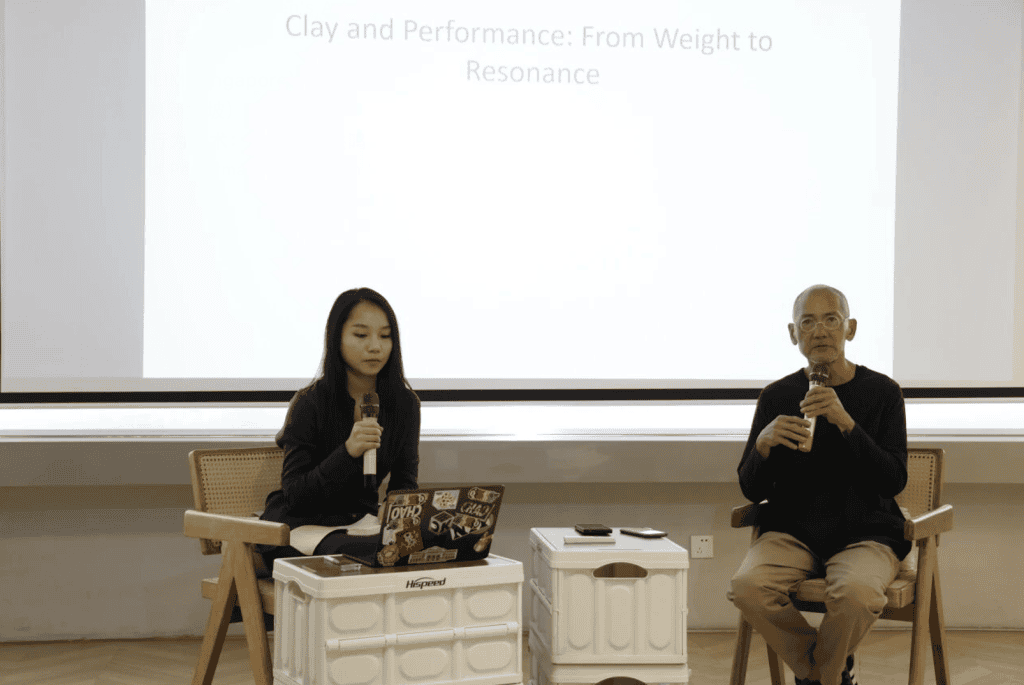
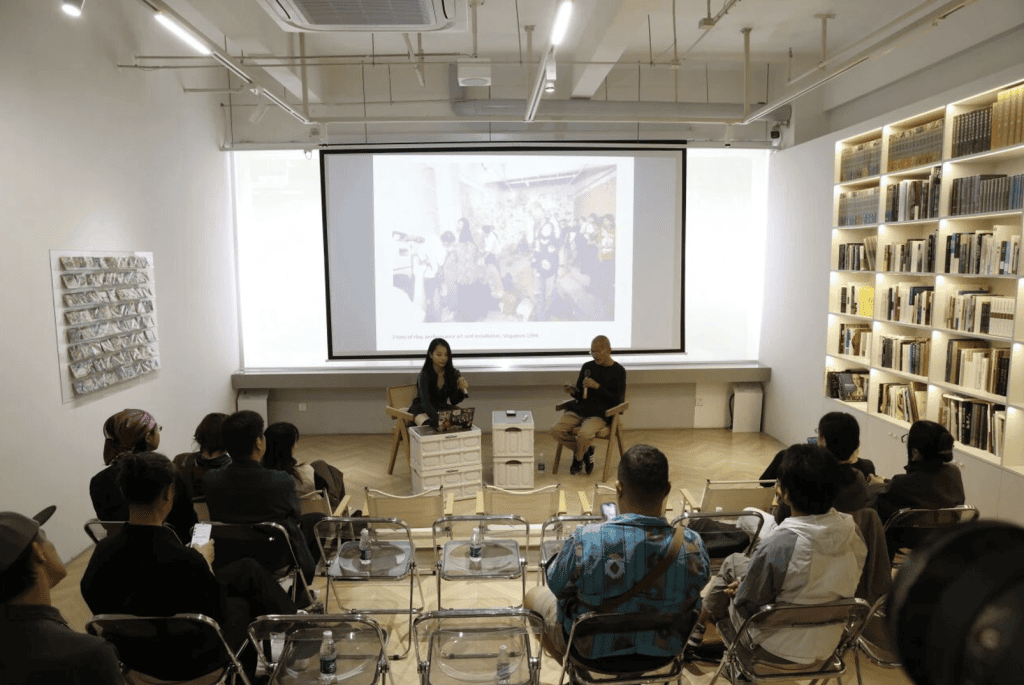
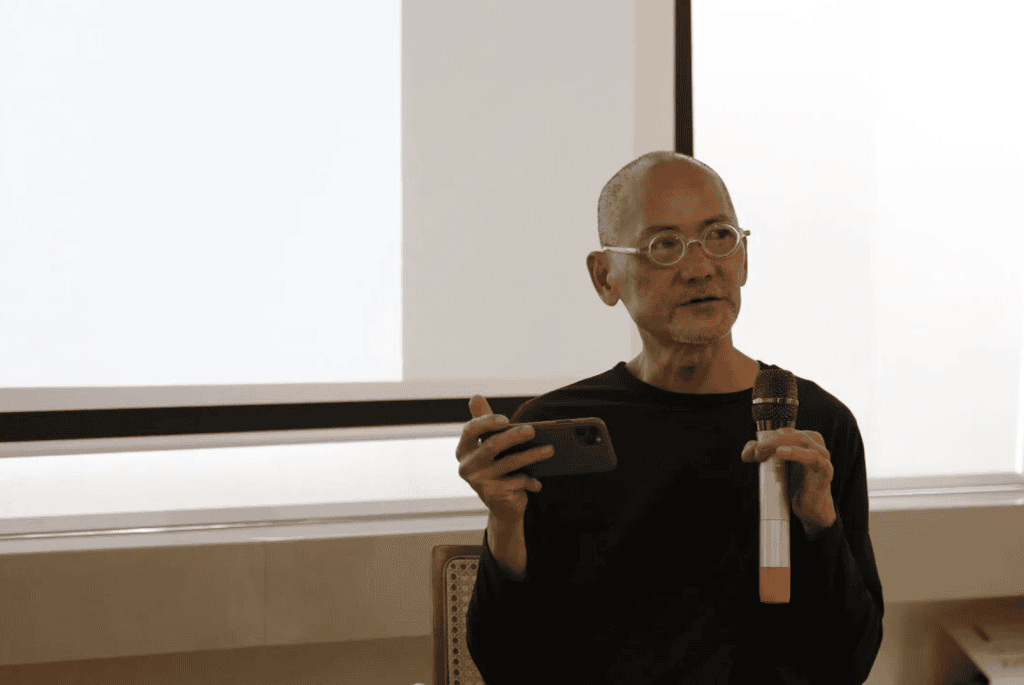
In this artist talk, Singaporean artist Jason Lim reflects on a creative practice spanning over three decades that encompasses ceramics, performance art, installation, sound, and video. Guided by the five natural elements—earth, water, fire, wind, and void—his work explores the subtle and fragile relationships between the body, materials, nature, and time.
16:00-17:30
Eduardo CARDOSO AMATO(Brazil)
Improvisation in Performance Art
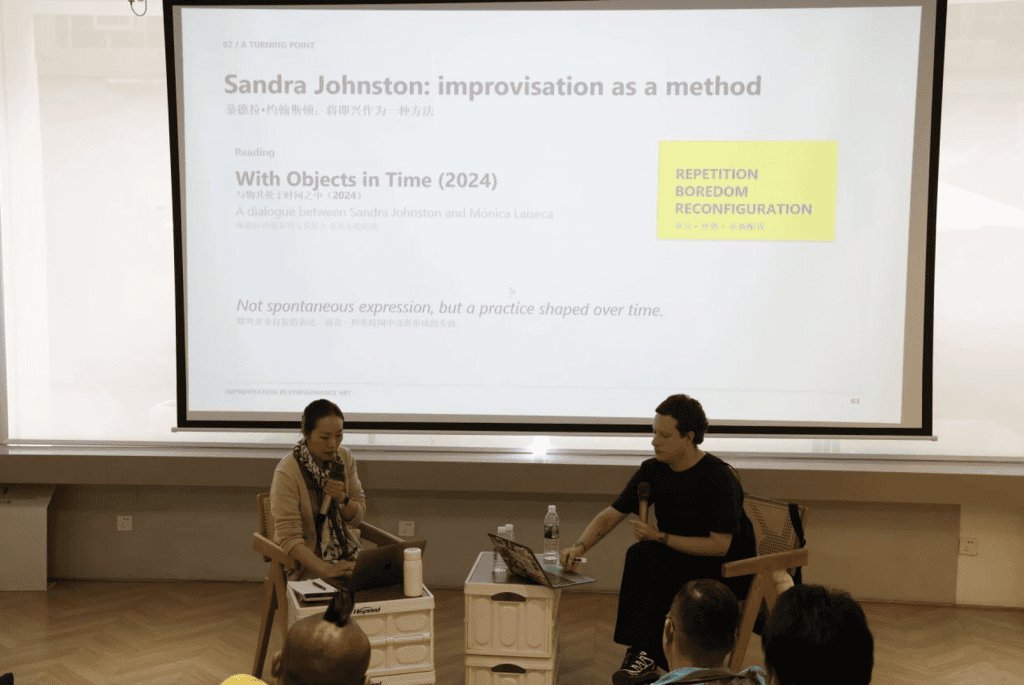
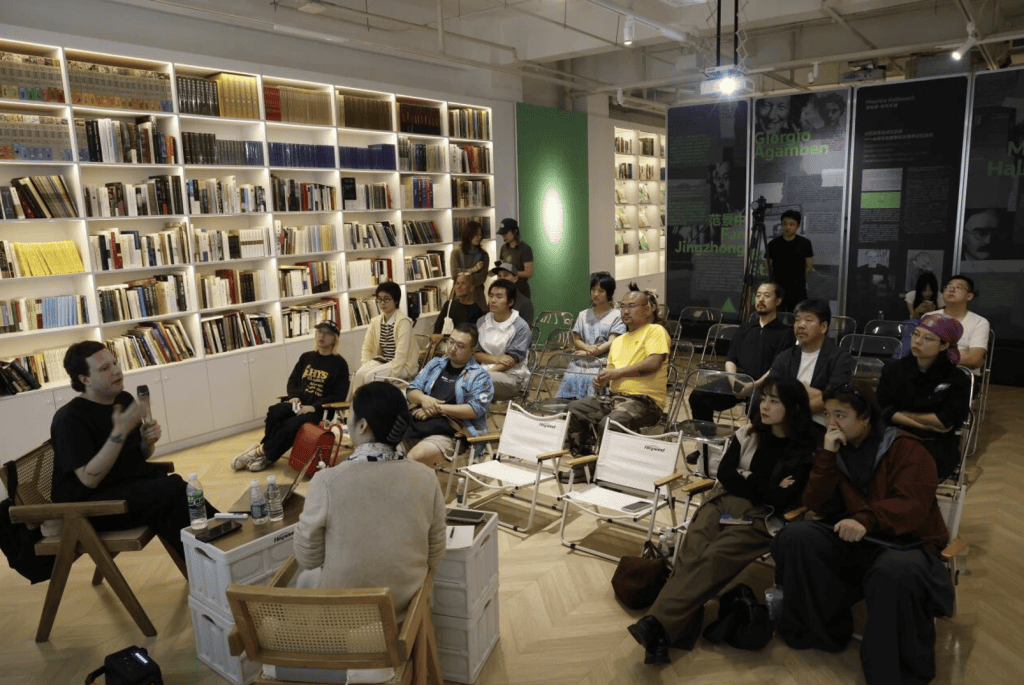
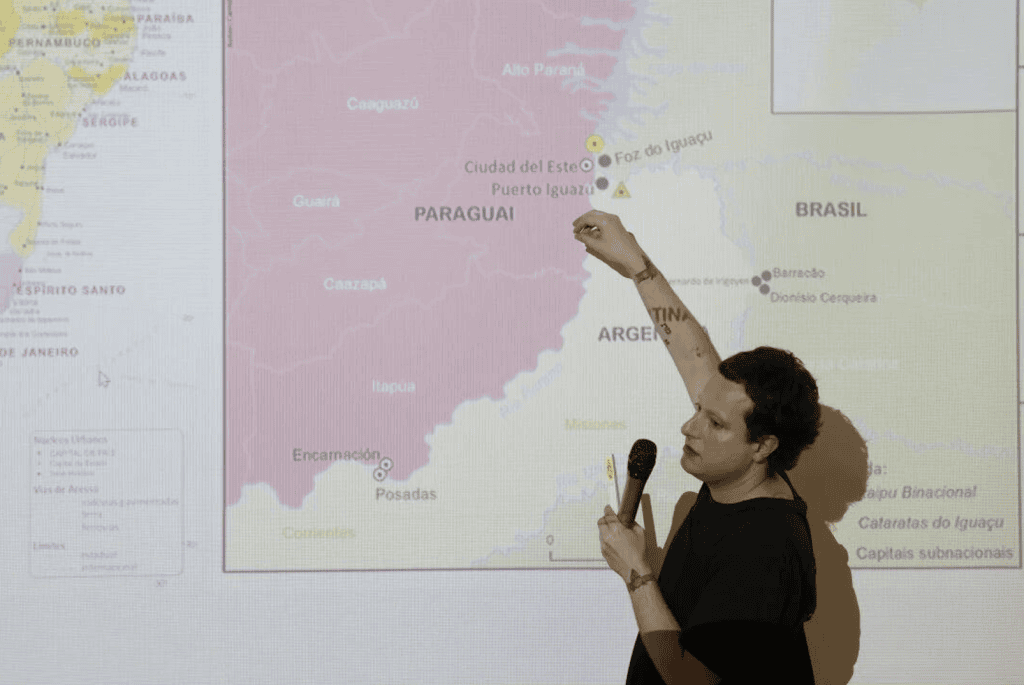
Eduardo is a Brazilian artist, and this talk explores improvisation in performance art and the concept of open source performance. They will share some results from their research, introduce the Open Source Performance Map, a map of encounters and initiatives in performance art, and present PF Casa de Estudos, an artist-run space for residencies and artistic exchange that they founded in Curitiba, Brazil.
Artist Lectures on Oct 15, A4 Art Msueum 4F
14:00-15:30
Natascha MOSCHINI(Switzerland)
UNDINE
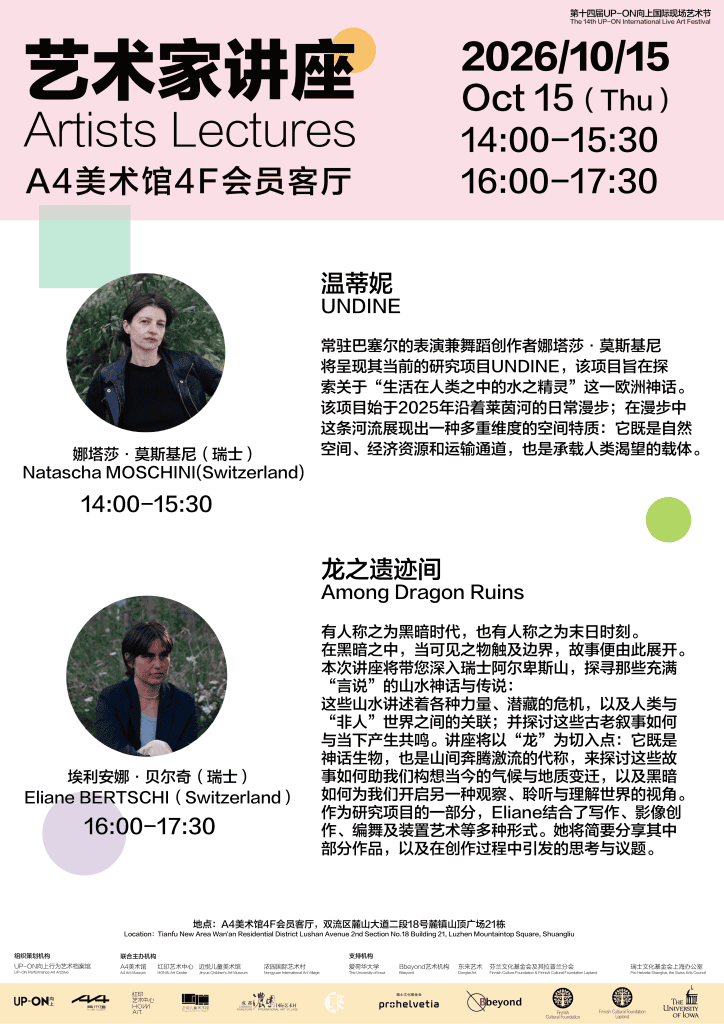
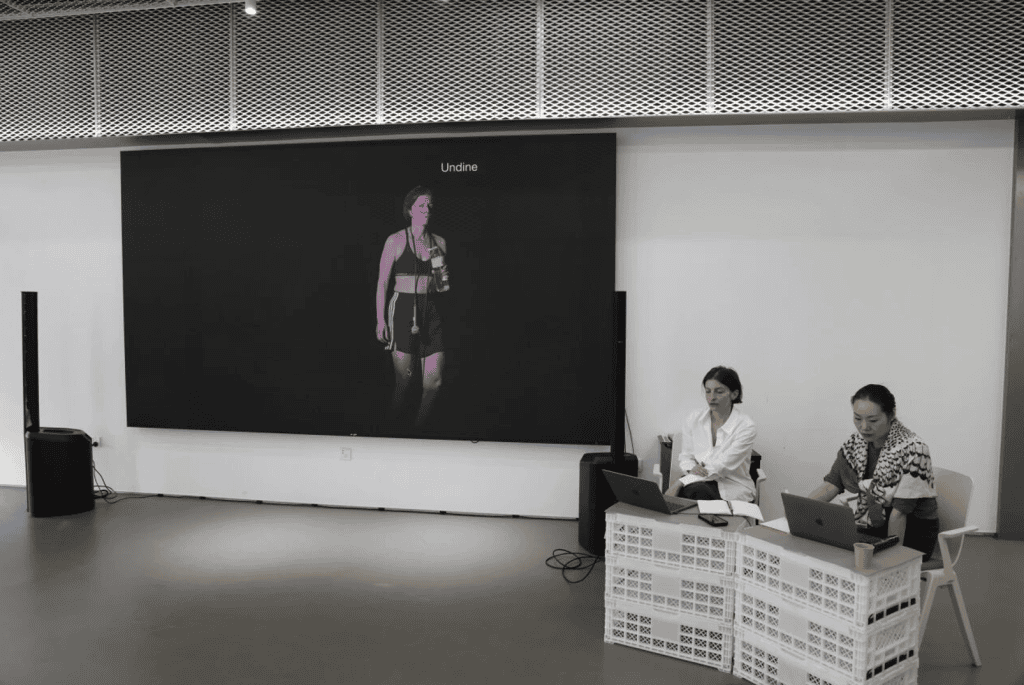
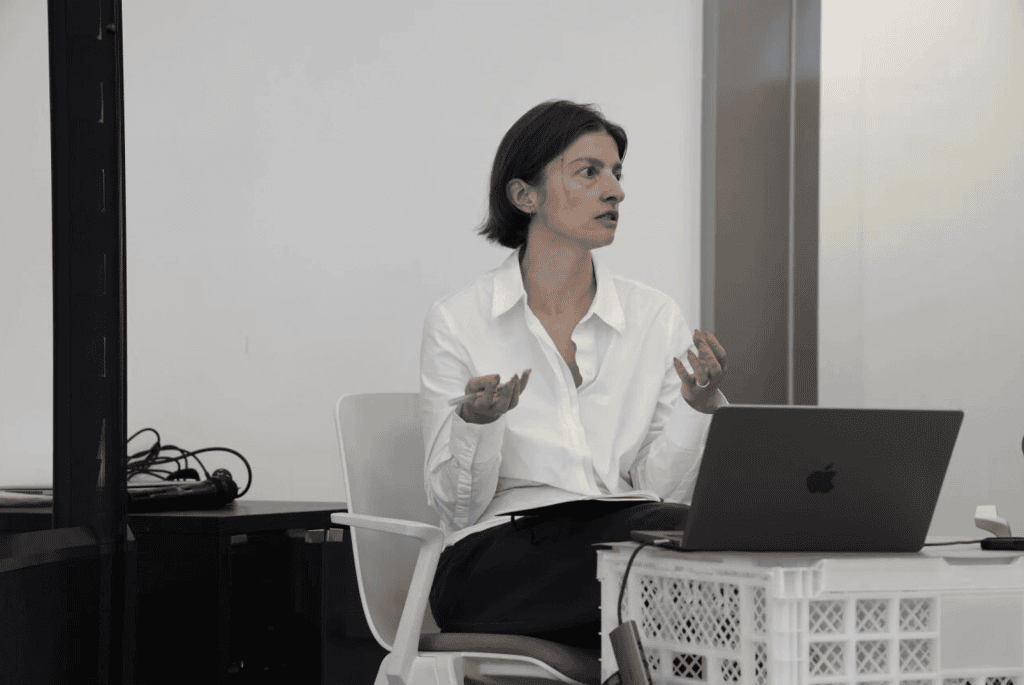
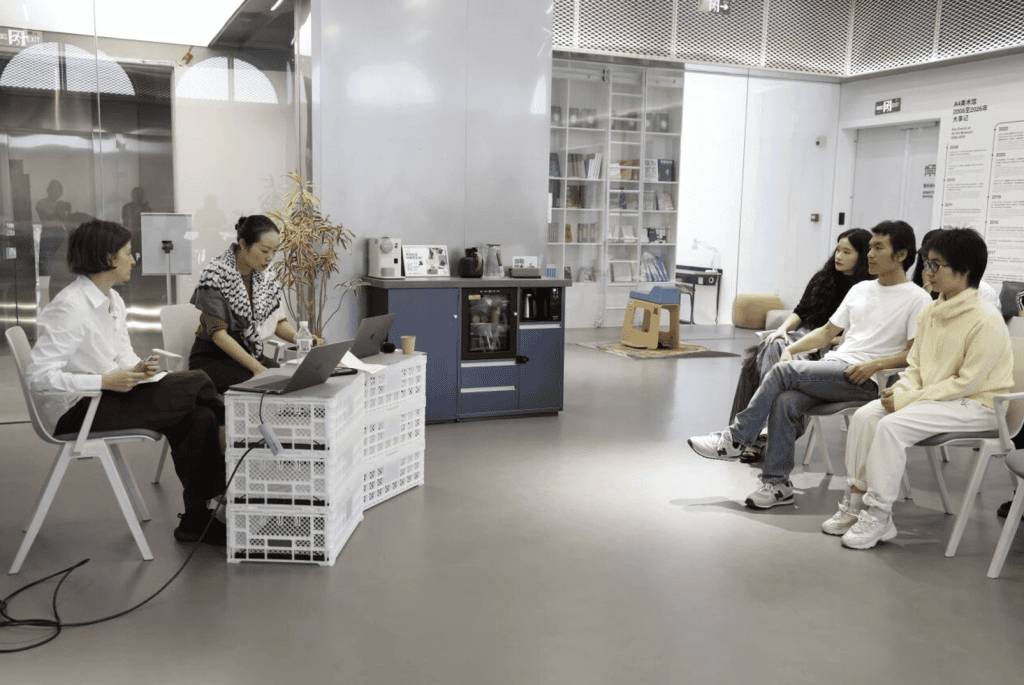
Basel-based performer and dance maker Natascha Moschini presents her current research project UNDINE, exploring the European myth of a water spirit living among humans.
16:00-17:30
Eliane BERTSCHI(Switzerland)
Among Dragon Ruins
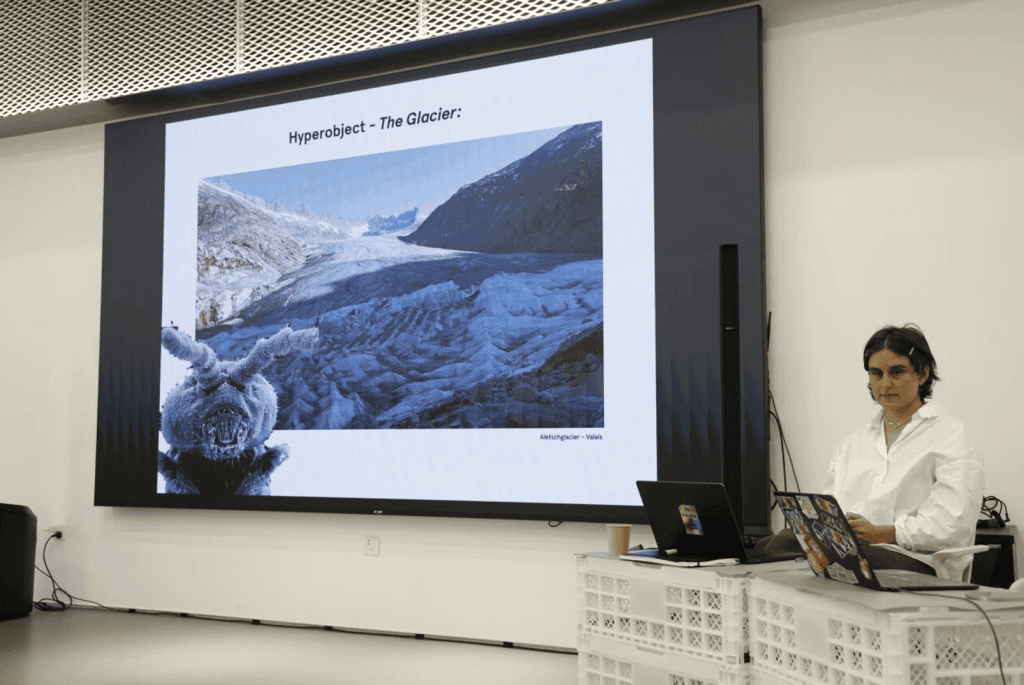
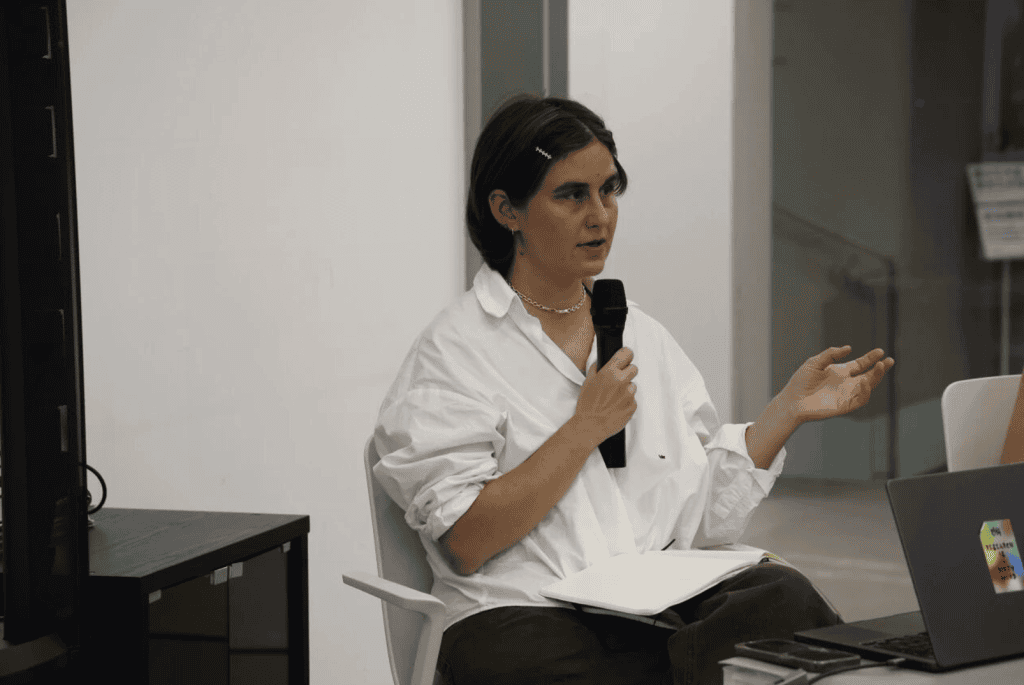
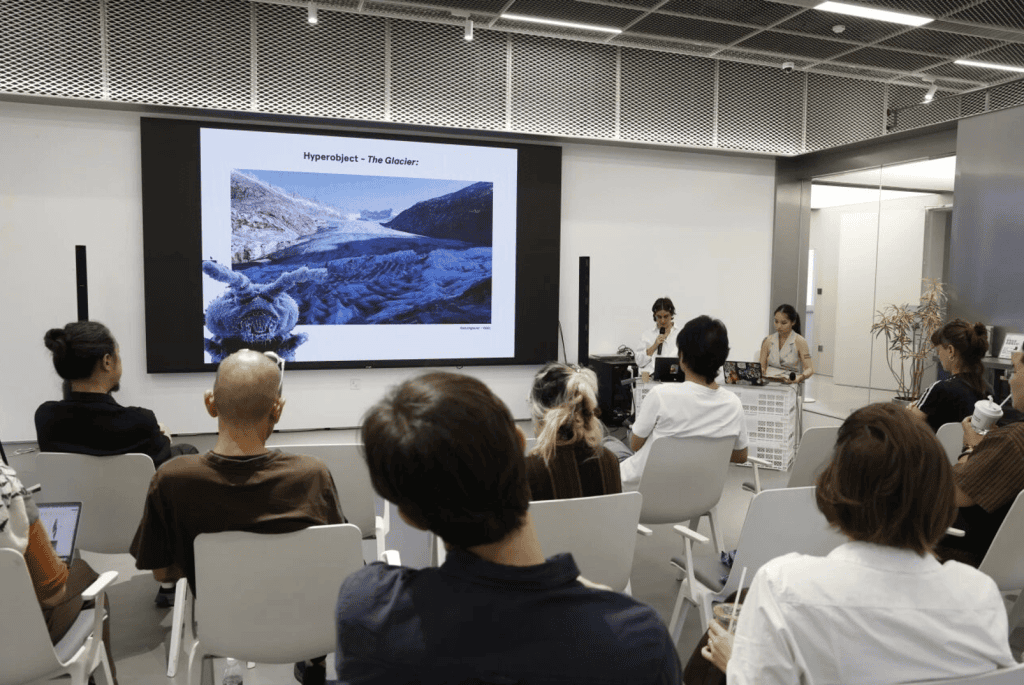
On-site Performance
Oct 17, A4 Art Museum
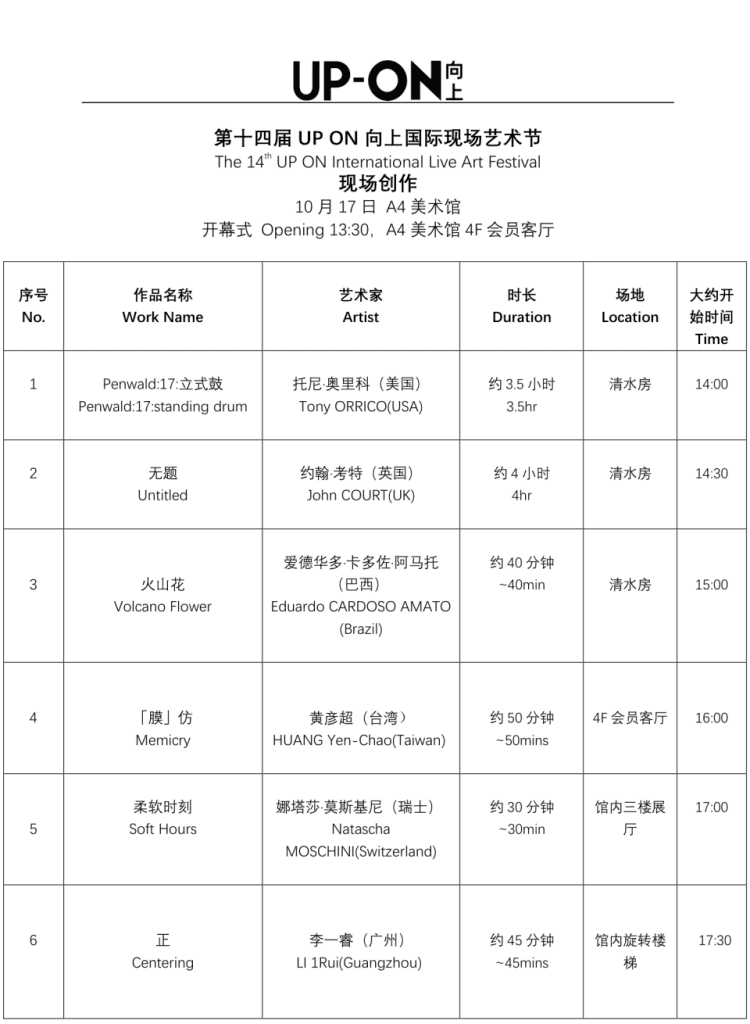
Tony ORRICO(USA)
Penwald:17:standing drum
3.5 hours
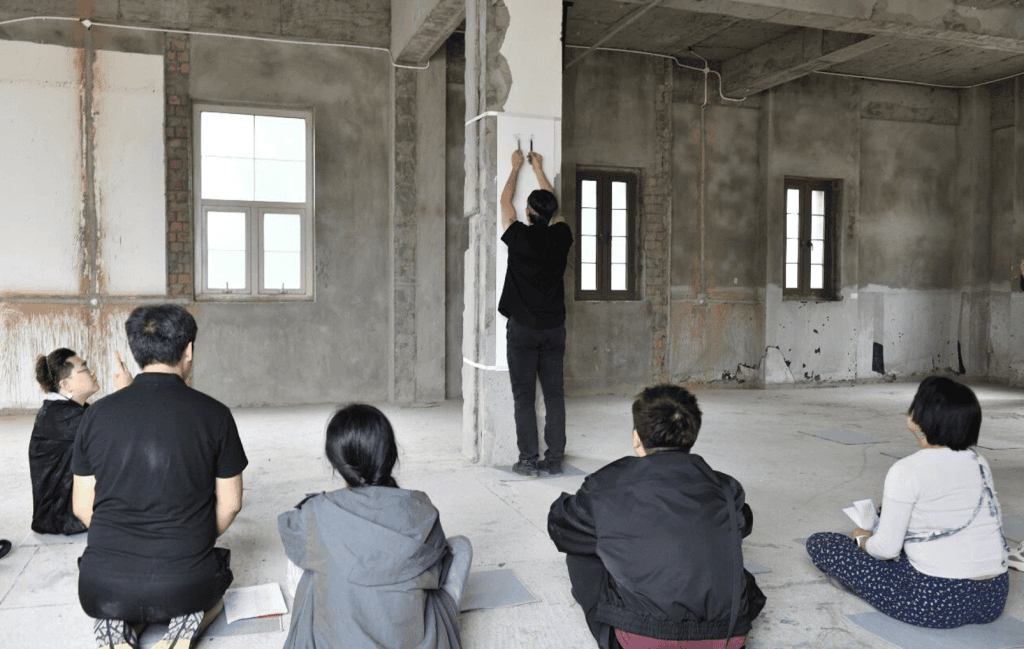
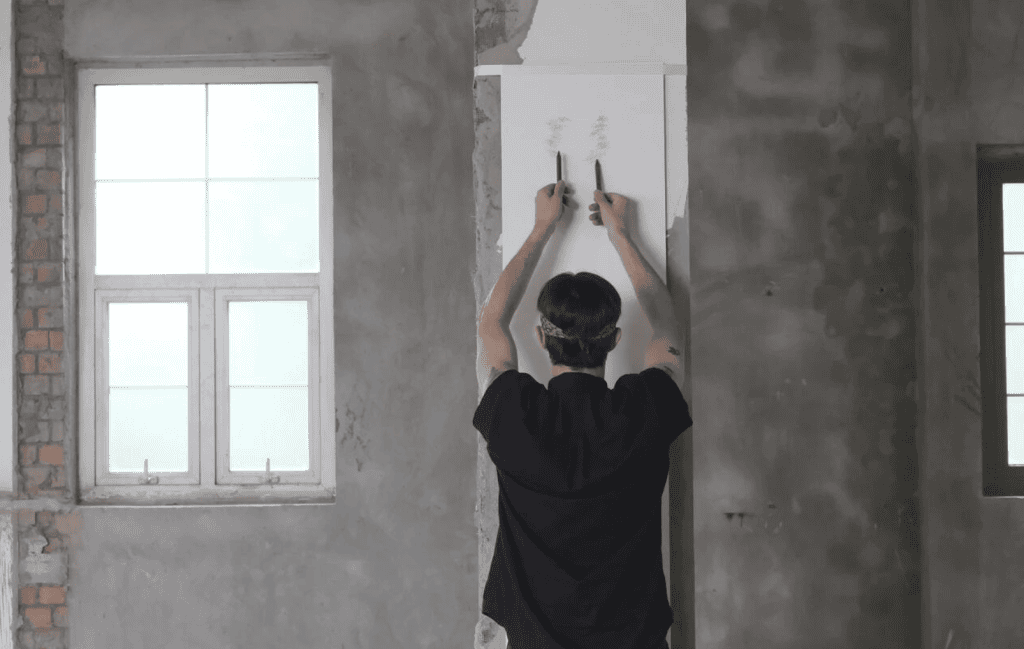
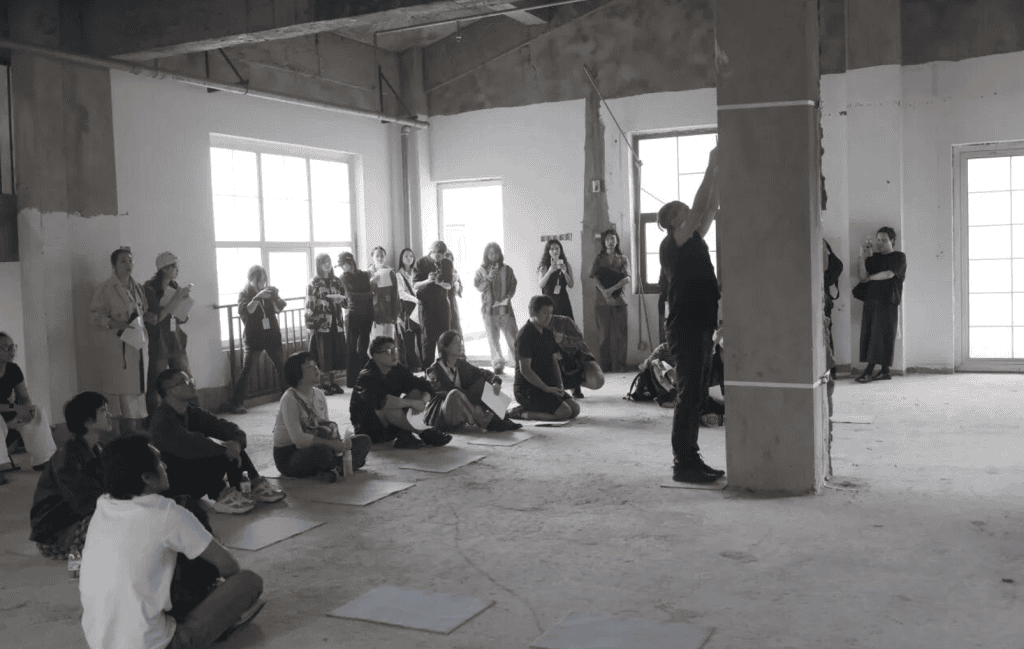
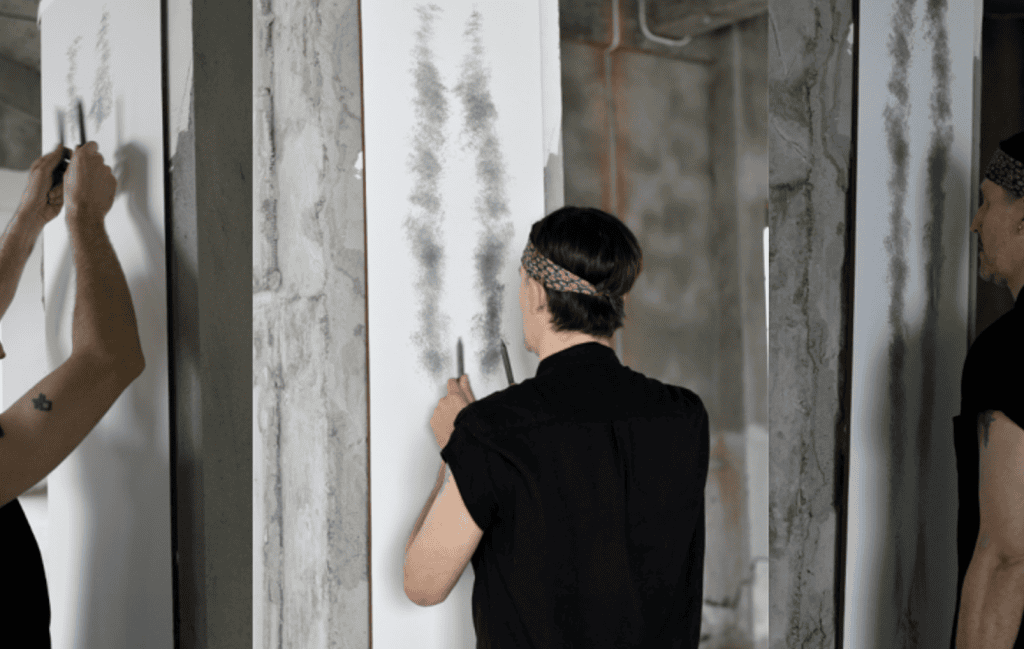
Performance, graphite on paper. Drumming against the wall until my arms fully succumb to gravity.
John COURT(UK/Finland)
Untitled
4 hours
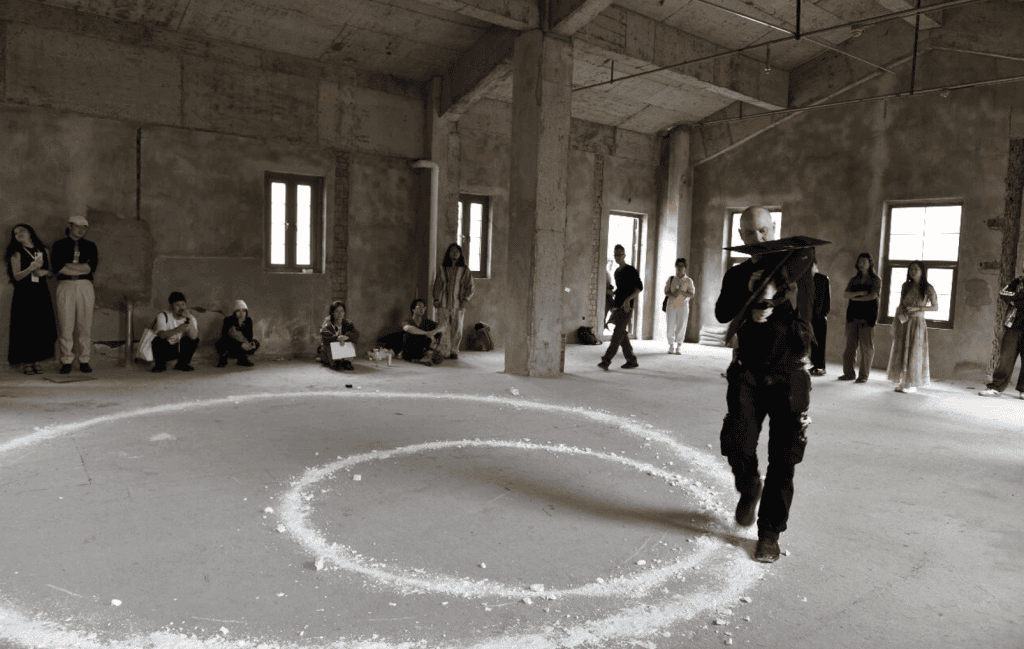
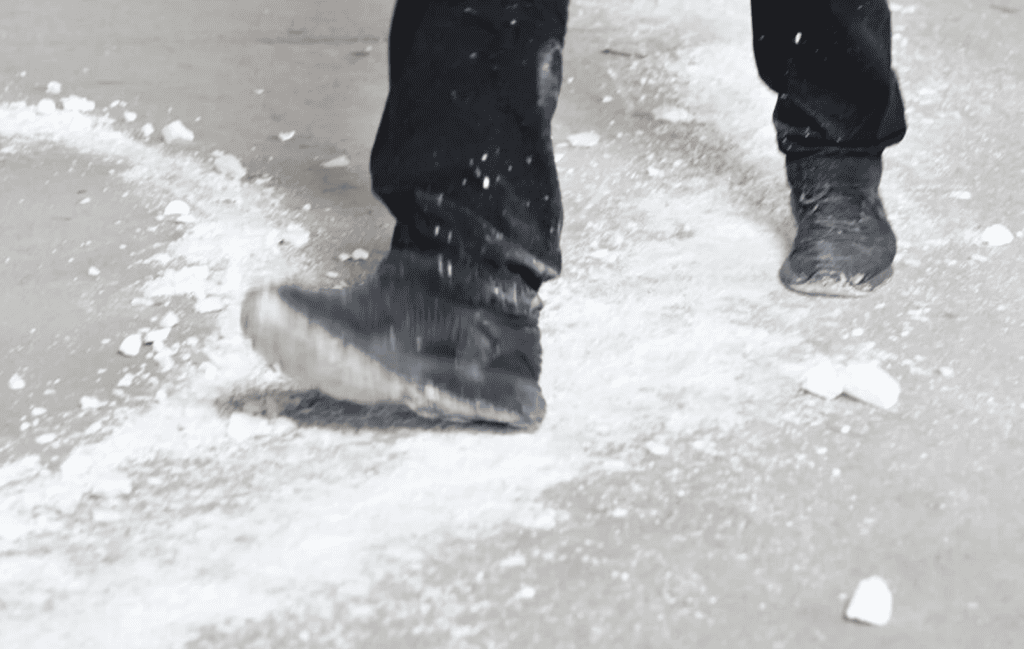
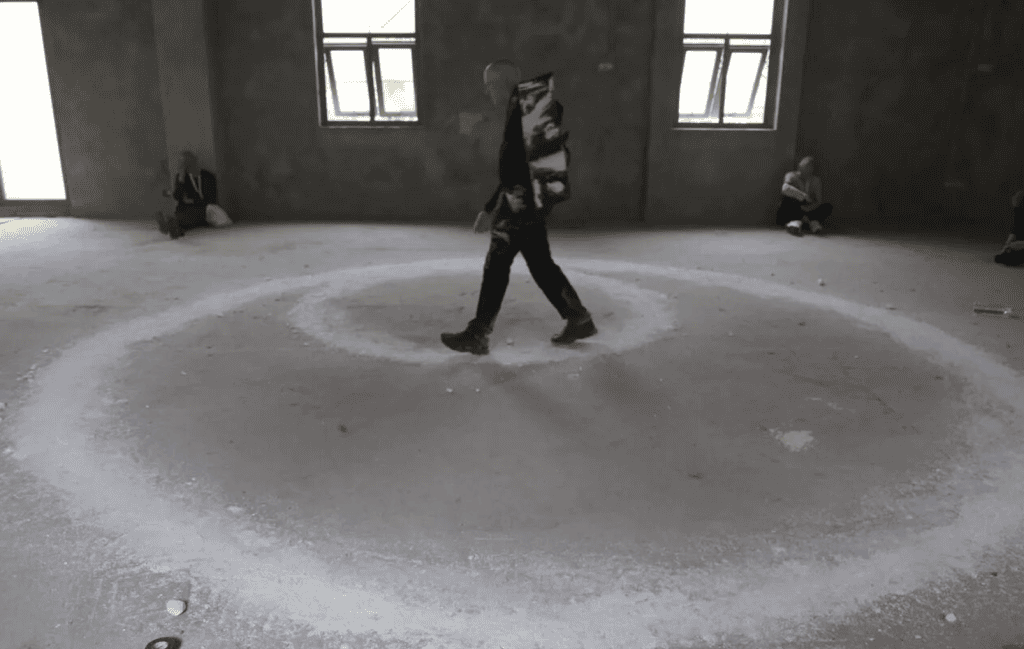
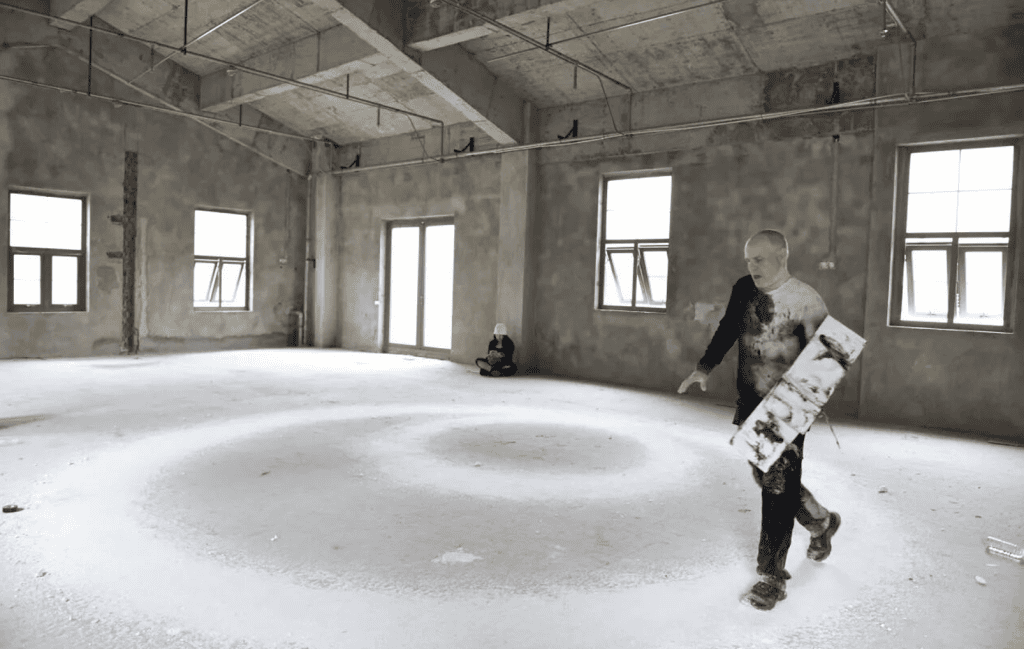
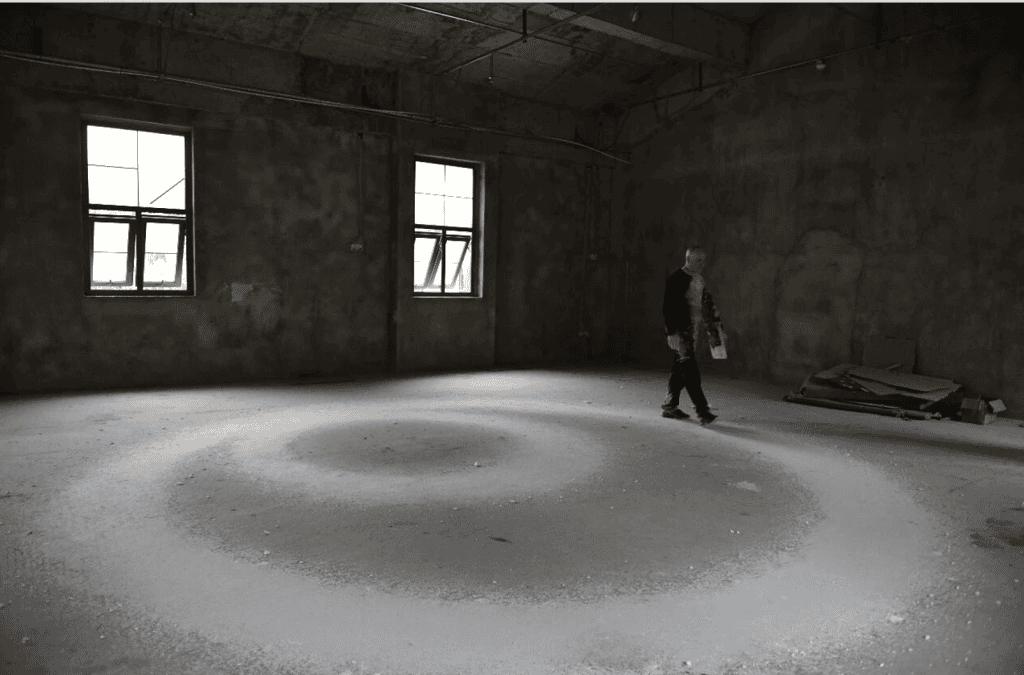
Using white chalk blocks, I drew two connected circles on the floor, one large and one small, forming a continuous loop.
I was interested in the relationship between the two circles and how movement and energy might change between them. Could I produce more energy through less movement? Could moving between the different sizes allow me to continue for longer? I wanted to explore these questions through the physical experience of doing.
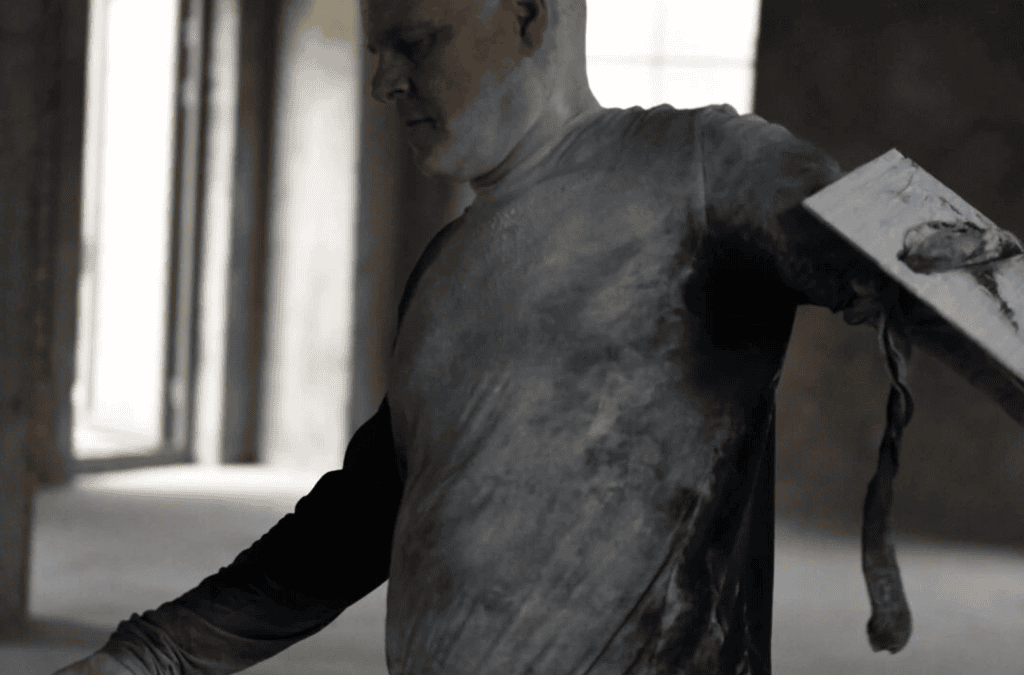
I attached two pieces of wood, approximately 20 × 80 cm and covered in black tape, to my left arm. Together they formed something resembling a wing, armour or a shield. They remained attached throughout the four-hour performance.
I carried six white chalk blocks in my pockets. As I moved around the circles, I began covering the black wooden objects with chalk, gradually extending the white markings across the left side of my body. I continued this action throughout the four hours, allowing the chalk to accumulate and gradually change the appearance of both the objects and my body.
Throughout the performance, I continued moving around the connected circles, sometimes walking, sometimes running, but always following the same continuous loop. The rhythm changed through repetition, effort and time. I was not trying to control these changes but to allow them to happen through the action itself.
The performance became a way of exploring how one action could affect another, and how something could develop through the simple act of continuing.
Eduardo CARDOSO AMATO (Brazil)
Volcano Flower
40 minutes
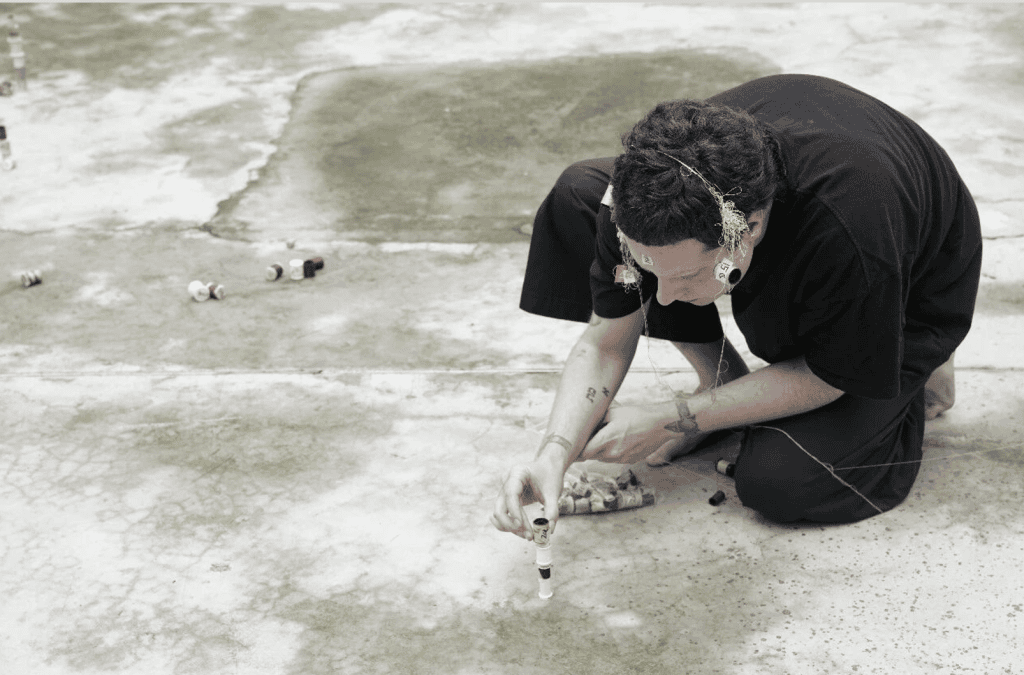
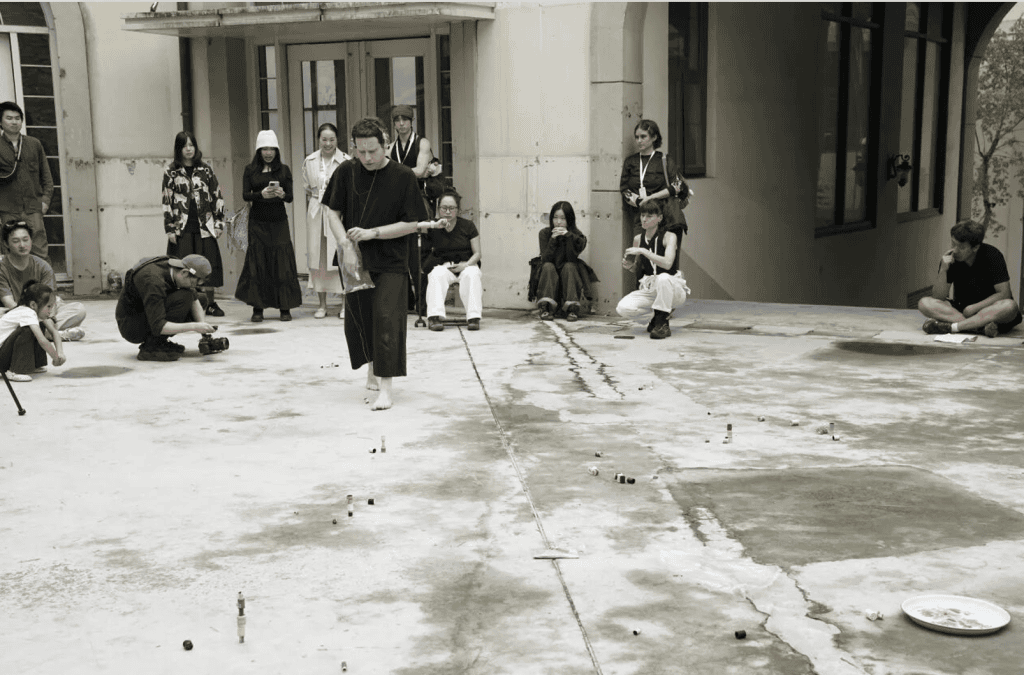
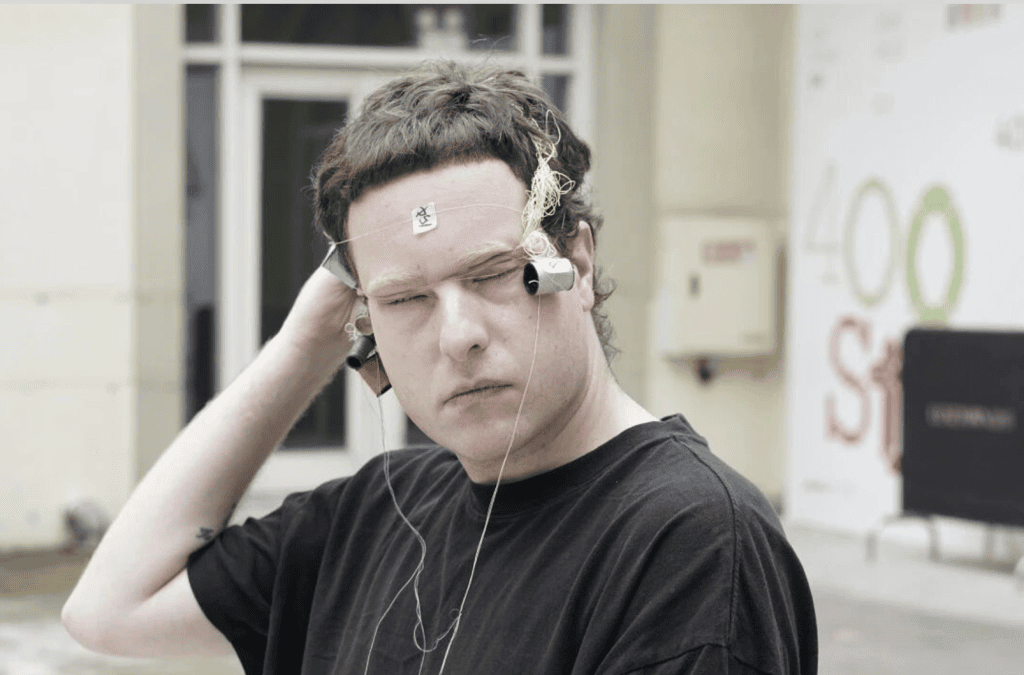
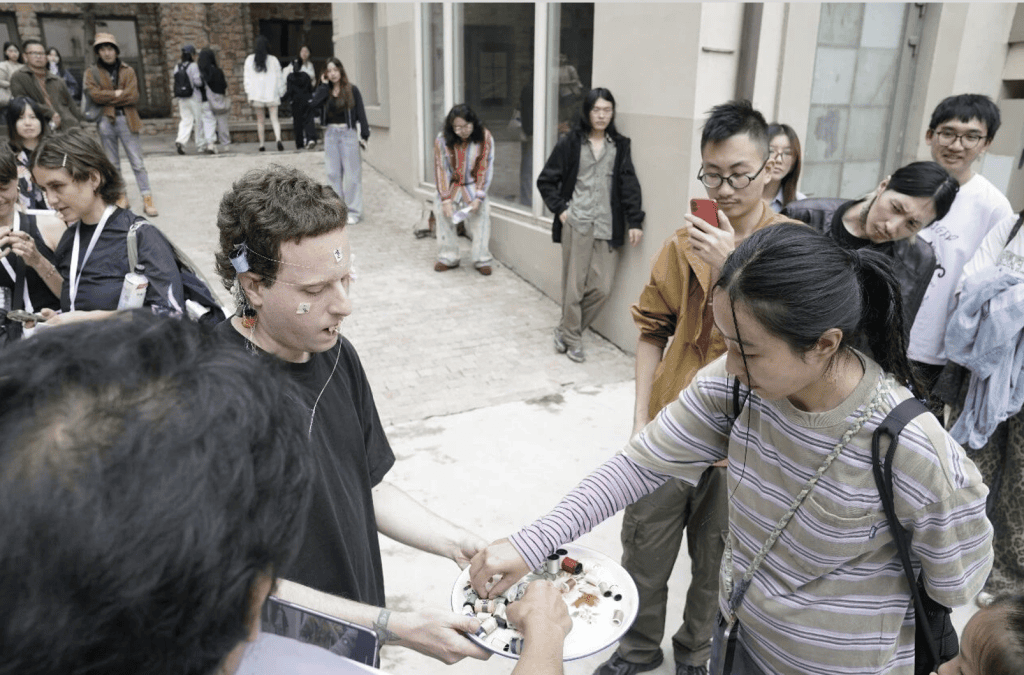
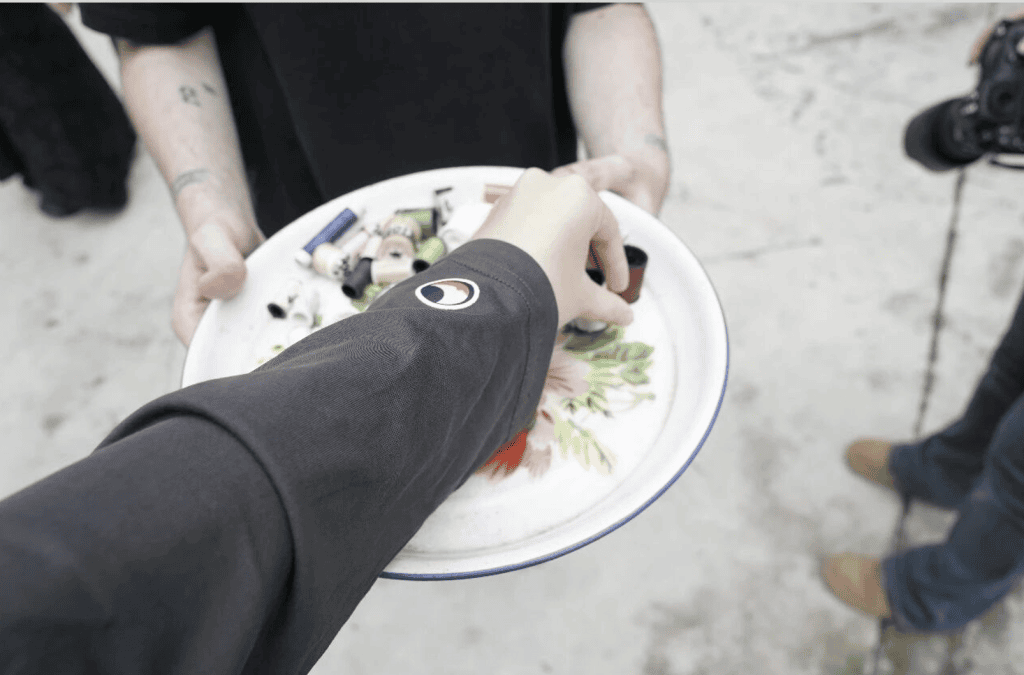
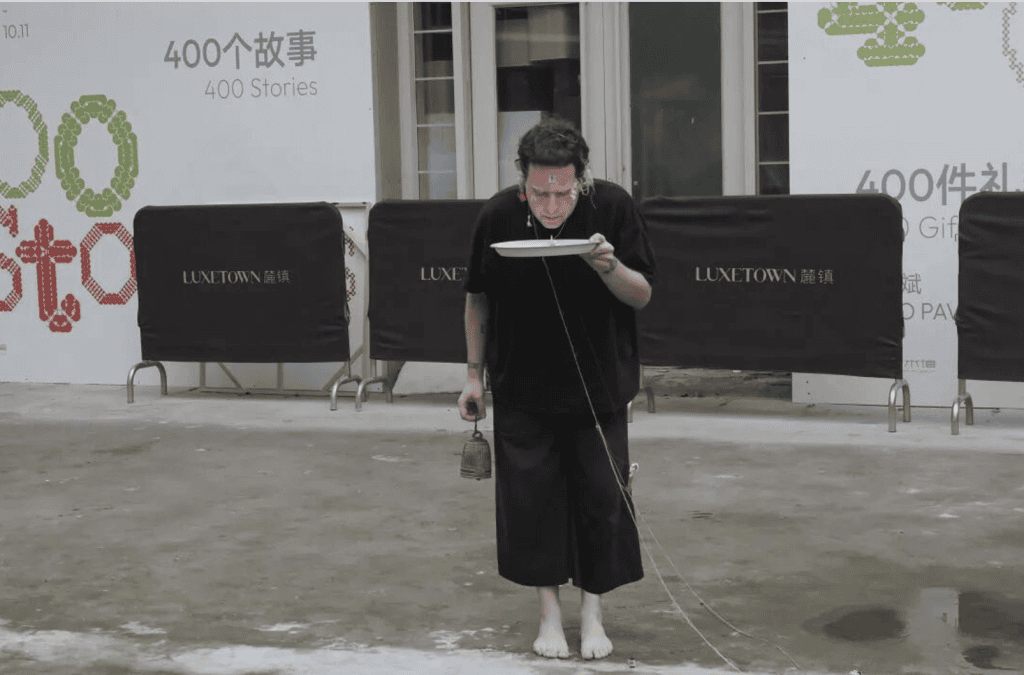
The performance begins with the sound of a handbell ringing out across the entire outdoor space. Holding the bell aloft and shaking it gently, the artist, Eduardo, wanders across the open ground. As the sound draws the audience in, they gradually gather around; the artist then begins to retrieve various materials from a cloth bag. Spools of colorful cotton thread are placed on the ground, which the artist secures to his own head before stacking them one by one upon the surface. He then places these spools onto a vintage-patterned serving tray and approaches the crowd, inviting the audience to take them. Moving through the gathering, the artist ties the ends of the threads to metal railings and staircases. As the spools are unrolled and stretched out, the interwoven threads weave through the crowd, segmenting the outdoor space into distinct zones and encircling the audience. Finally, the artist moves toward a corner, and with one last ring of the bell, the performance concludes.
HUANG Yen-Chao(Taiwan)
Memicry
50 minutes
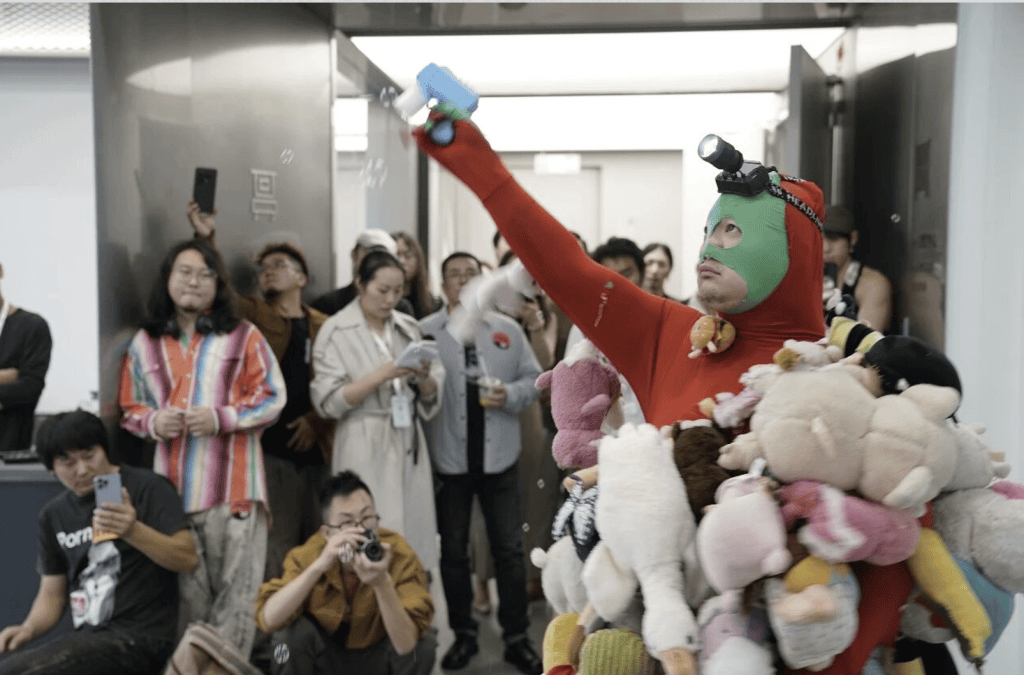
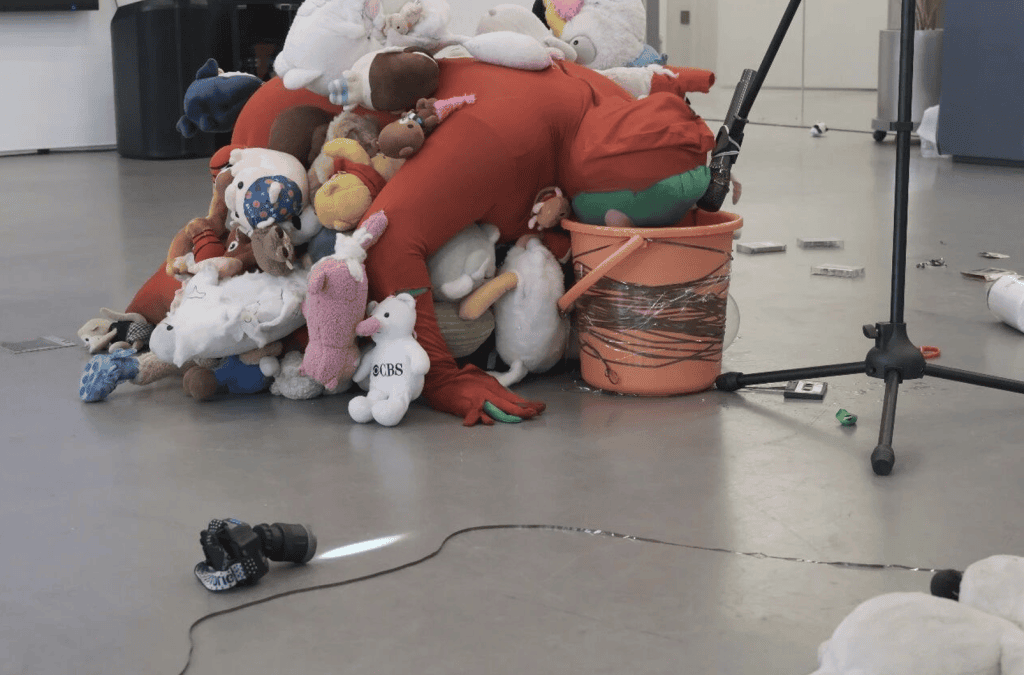
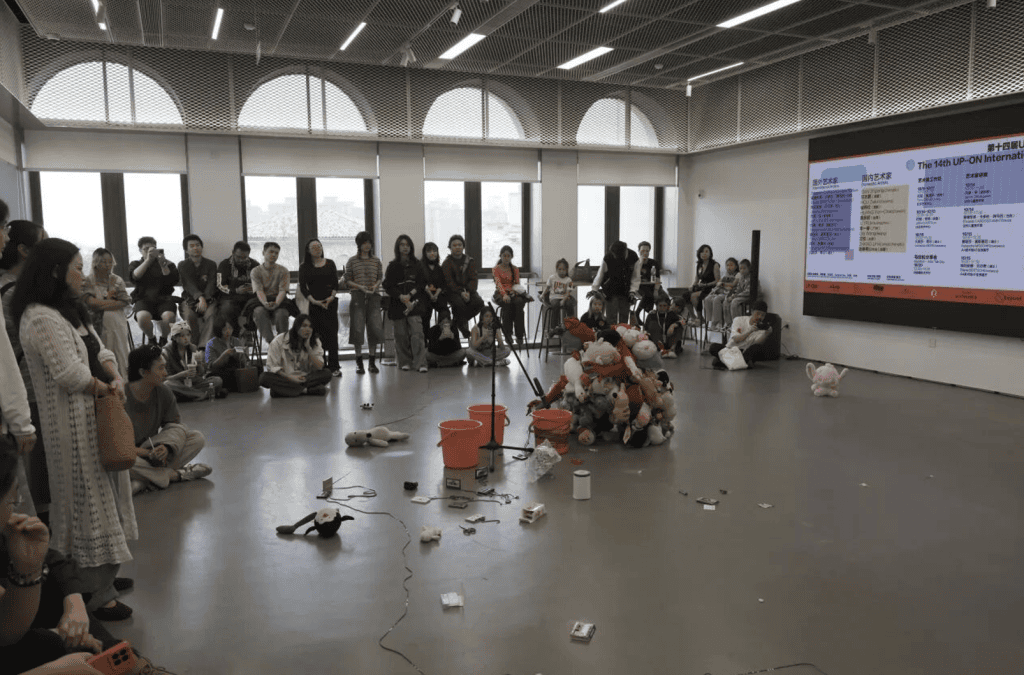
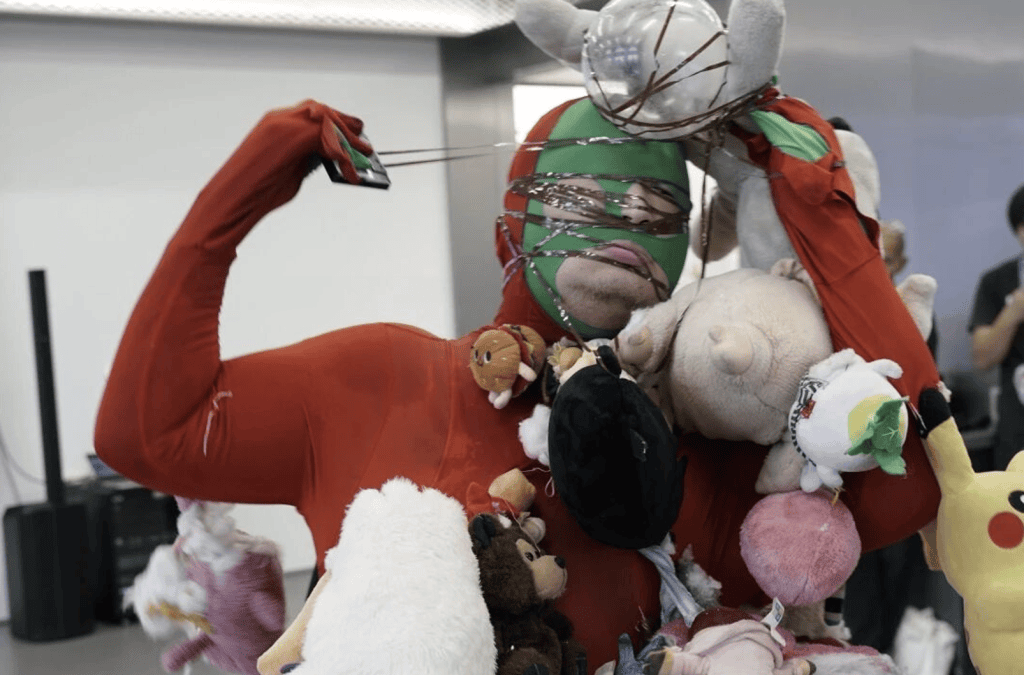
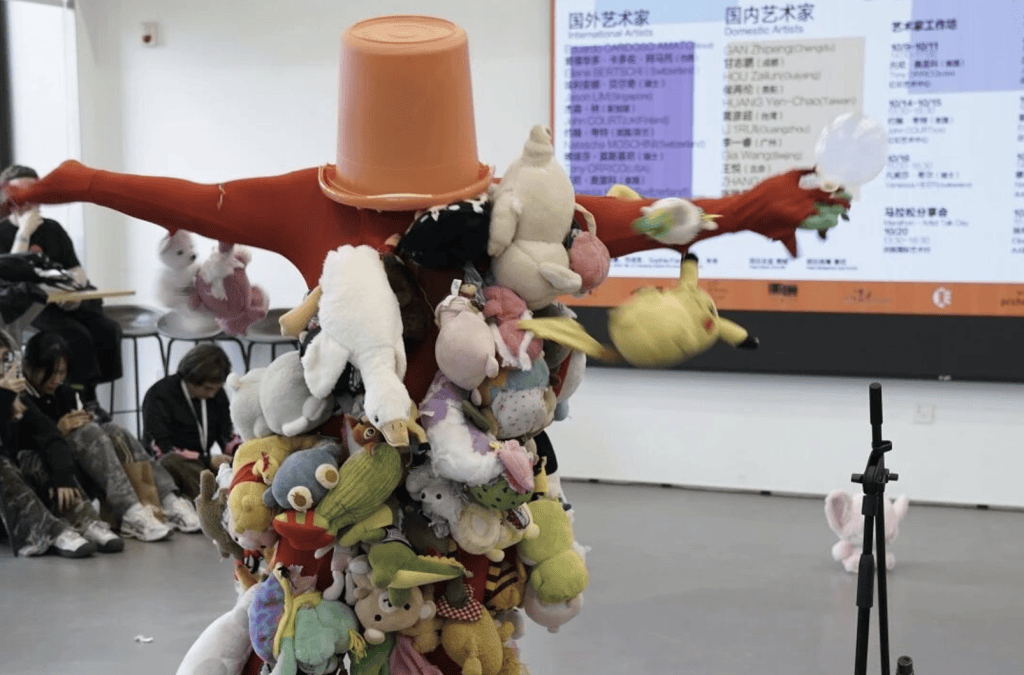
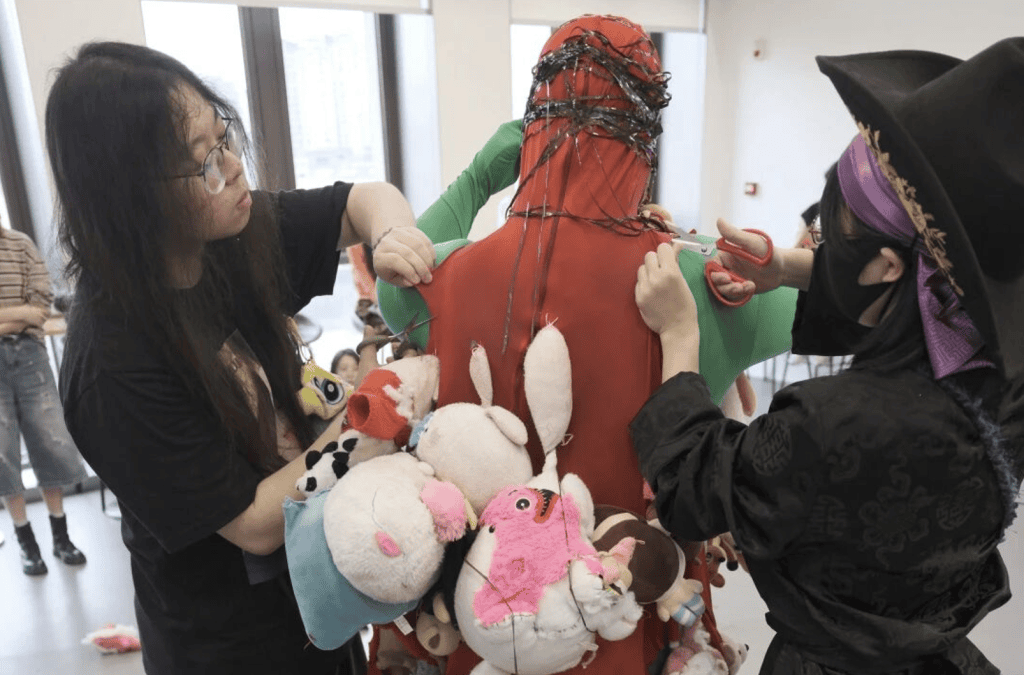
Each time I engage in a performance art piece, it feels like an exploration of my own interiority—as if, through a series of coded actions, I am reactivating a reflexive will. For this iteration at A4 Art Museum, I sought to leverage the venue’s secluded, austere atmosphere—interweaving various media like a series of unfolding events—to situate my ongoing “Doll-Person” project within a new sense of place. The work delves into themes of intimacy and a state of consciousness that is simultaneously hazy and lucid—a state that gradually begins to “gasp for air.” Here, objects and the human body permeate one another, giving rise to a surrogate—a vessel that articulates the subject’s own perceptions.
I always aim to push boundaries a little further. This time, alongside “singing” and “speaking” into a bucket, a microphone—positioned nearby—captures the sound, causing the speech to oscillate and generate a unique sonic field based on the amplitude of the voice. It functions like a real-time form of “encoding” or “censoring,” ensuring that the intended message can never fully reach its destination. This persistent failure—this recurring inability to communicate—causes an ostensibly mundane action to accumulate over time, eventually stripping away the facade of the “doll” costume to reveal the person beneath—or perhaps, more tellingly, to expose his (my) original intent.
In this sense, the performance is not merely an “act,” but rather the input of a signal, rendering the body a passive instrument of execution. The doll clings to the flesh, creating an additional, embodied layer of perception; the two press against each other, establishing a two-way transmission.
There is also an element of “hyper-embodiment” here. I began by wearing a “green screen” suit—conceptually intended to be keyed out in post-production—beneath the doll costume. I then proceeded to cut open and peel away the outer layer of the doll, as if stripping away skin and flesh, revealing a body that appeared only partially present. I am fascinated by this liminal state—this transition toward transparency, hovering somewhere between revelation and disappearance. The mixture of “skin” and “membrane” acts like a layer of pigment, repeatedly overwriting the body. The partially stripped-away doll is submerged in water—a conceptual “drenching”—where, in losing its original form, the object abruptly acquires a new, distinct body. Spanning approximately 40 minutes, the performance drifts between a trance-like state and sharp clarity; it is as if the destruction of the object triggers a series of short circuits. Zhou Bin later remarked on the “cartoonish” quality of this performance, and suggested that I shouldn’t rush back to the scene—that I should instead let the lingering resonance of the act settle and unfold. This prompted a realization: in the past, I had always remained too fixated on the performance itself, eager to propel my body directly into the next event, while overlooking the fact that an event can continue to exert an influence even after it has departed from the body.
Learning how to let the “field” emerge before the body—allowing atmosphere and perception to take the lead, rather than simply waiting for my next move—was an invaluable takeaway from this experience.
Natascha MOSCHINI(Switzerland)
Soft Hours
30 minutes
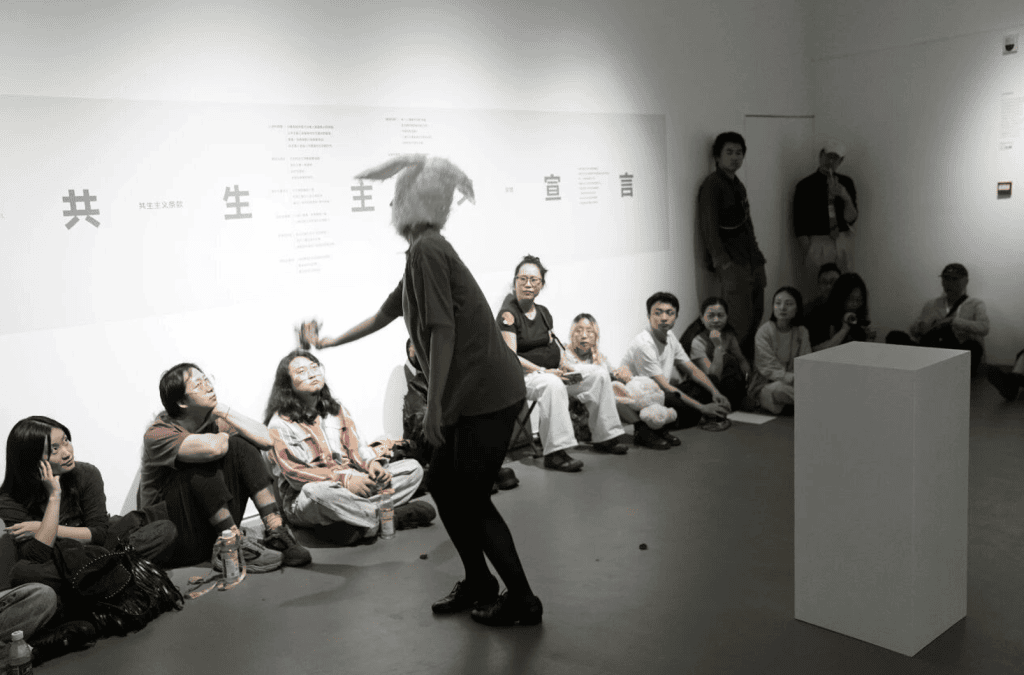
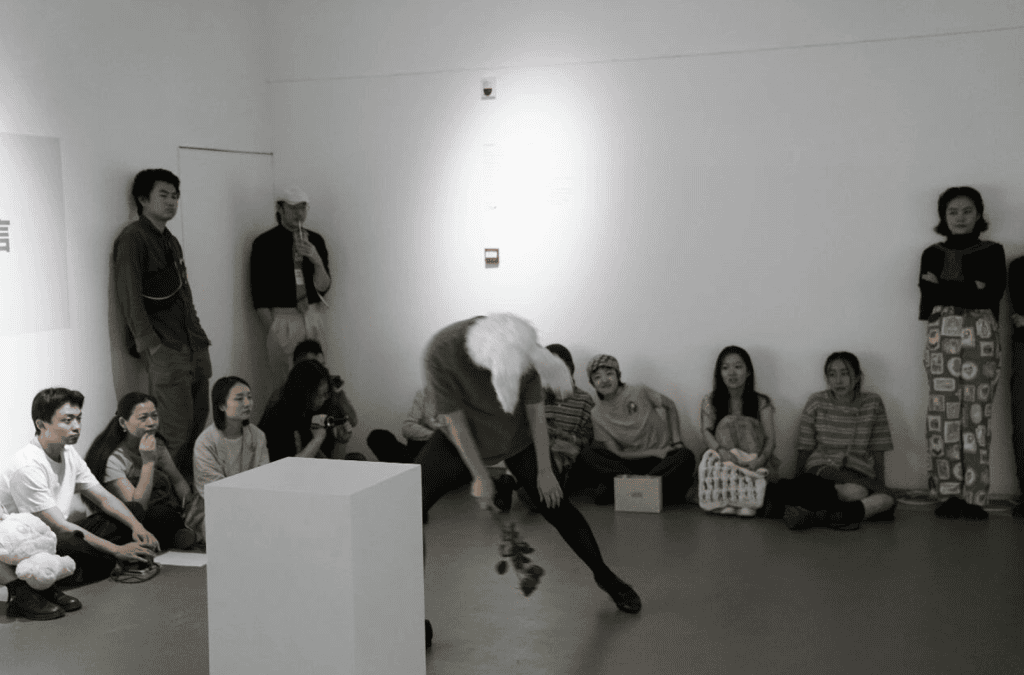
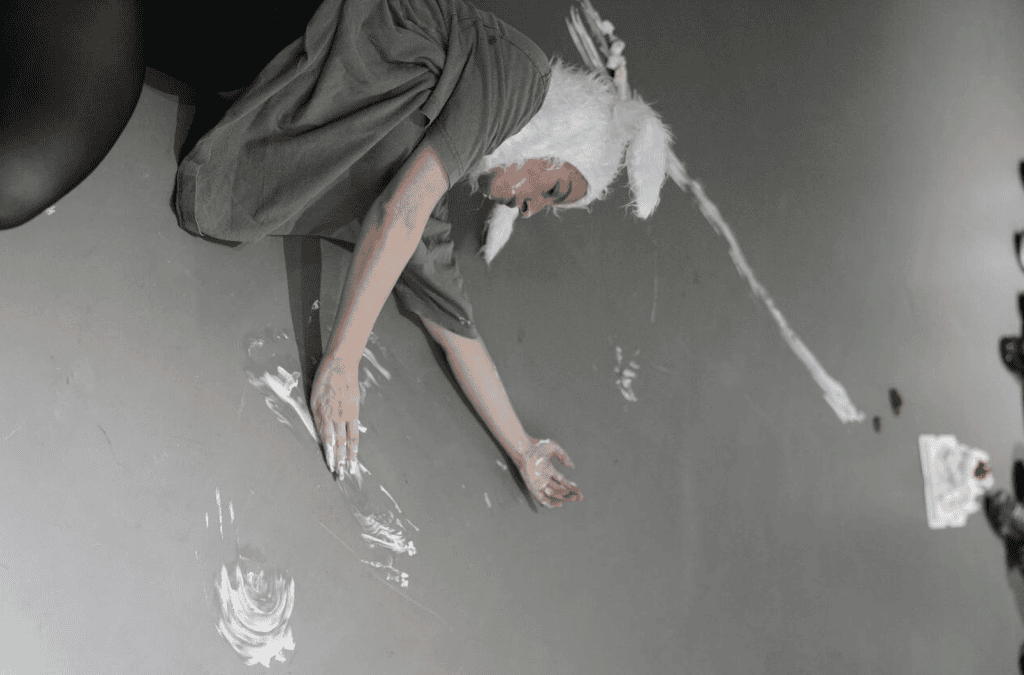
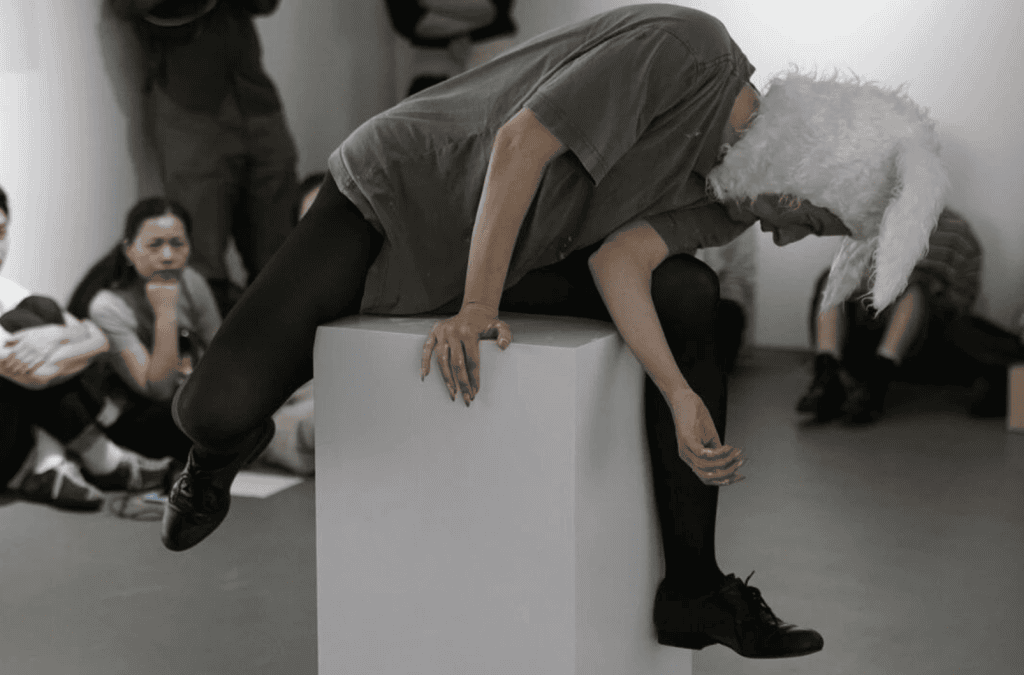
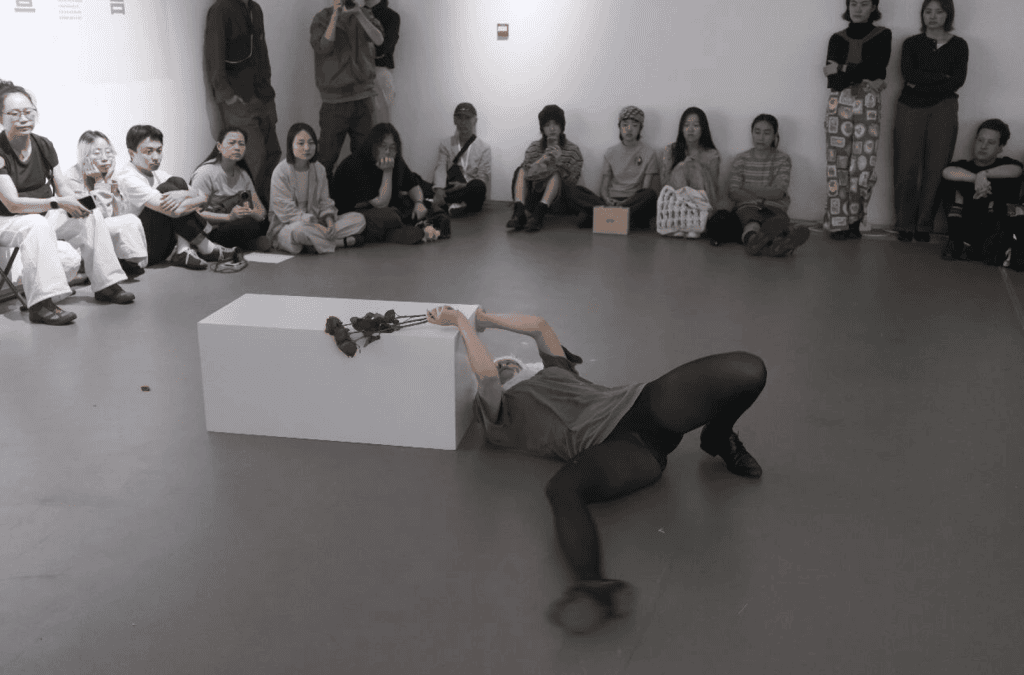
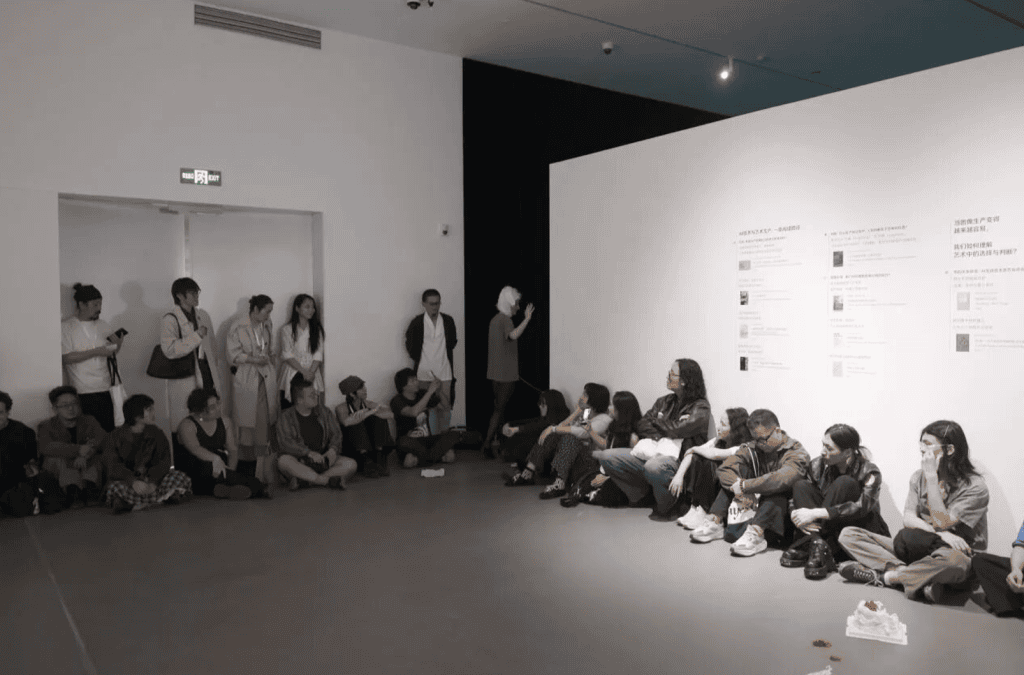
In Soft Hours, Natascha Moschini develops a performative experimental setup in which dream logics are tested as a working method. Time becomes soft, spaces tilt into one another, images overlap and lose their contours. Figures appear and slip away again—like masks, memories, or misfires. Between construction and intimacy, Moschini follows the ensemble of inner forces that sets our images in motion: memory and affect, bodily states and cultural scripts.
Soft Hours revolves around the play with figures: soft mascots that playfully shift boundaries. They come close, seeking contact—a handshake, a kiss on the cheek, gestures between entertainment and intimacy. Beginning with a rabbit in a dreamlike landscape, proximity becomes an experiment: between performer and audience, between action and consent, between playful transgression and the tentative search for a “lovely day.”
In this way, a performative sketch emerges of what is at work within us when we drift into dreaming—while falling asleep, in a daydream, in a dream: a state between control and lapse, where logic slips and closeness is renegotiated.Artists supported by Pro Helvetia Shanghai, the Swiss Arts Council.
LI 1Rui(Guangzhou)
Centering
45 minutes
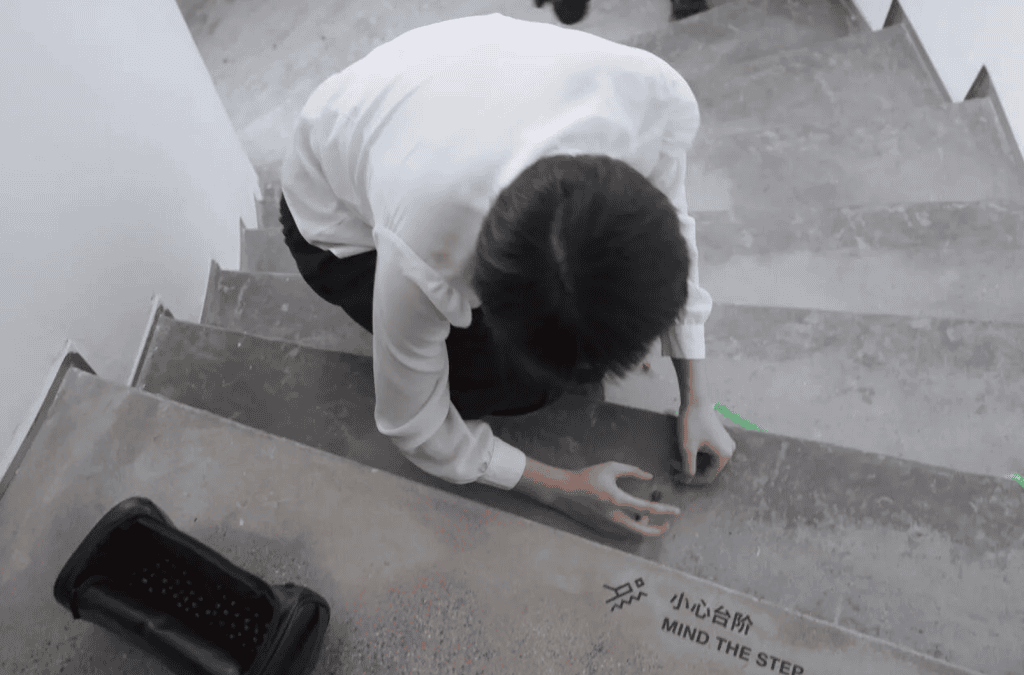
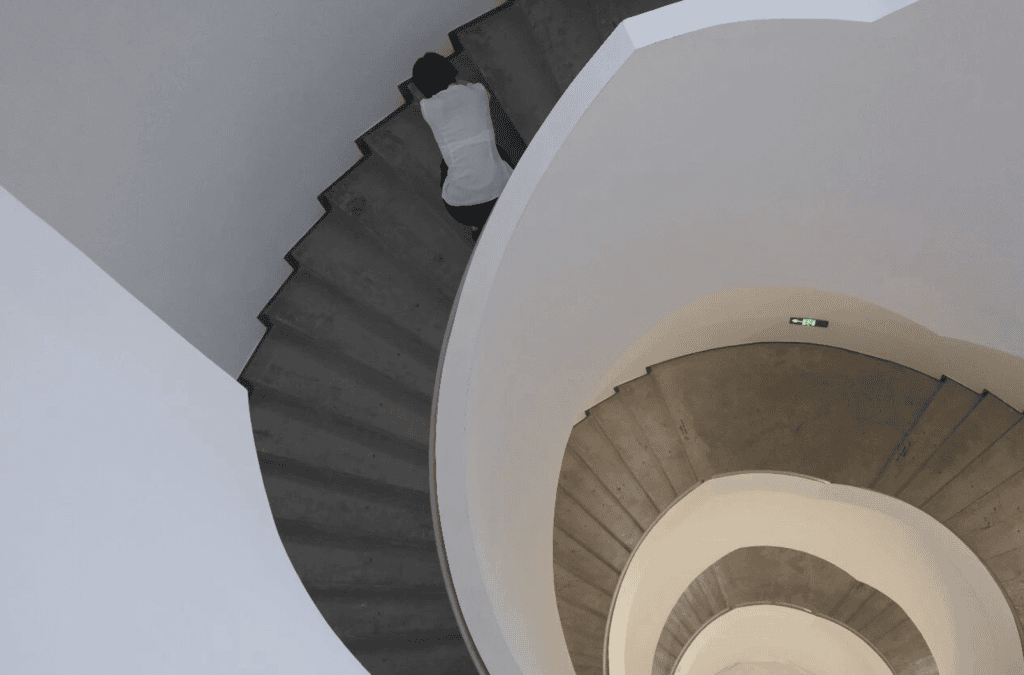
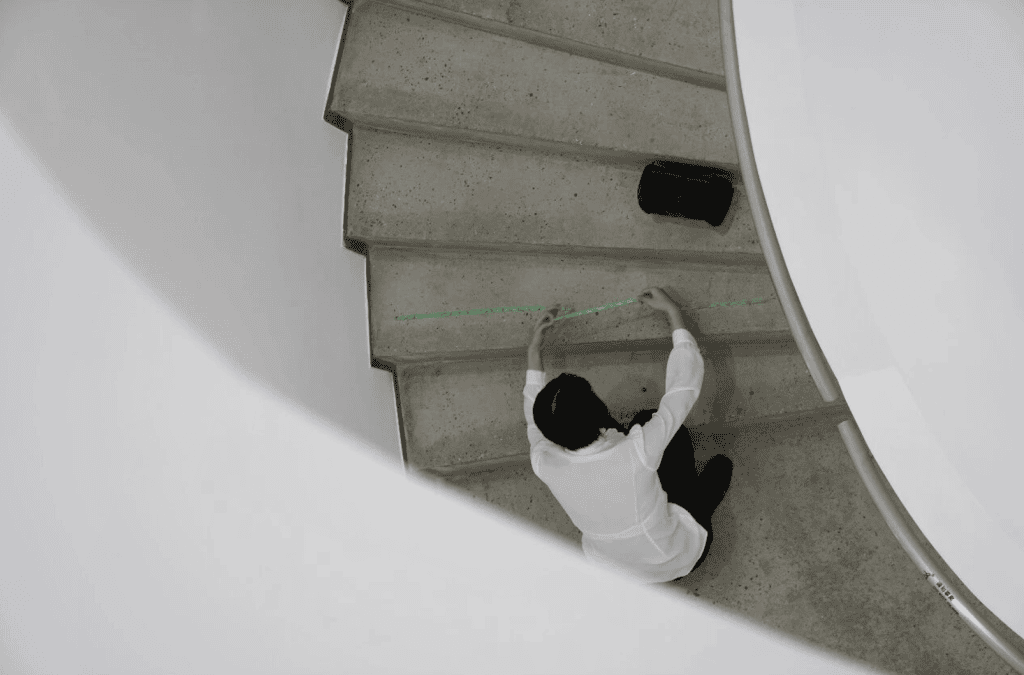
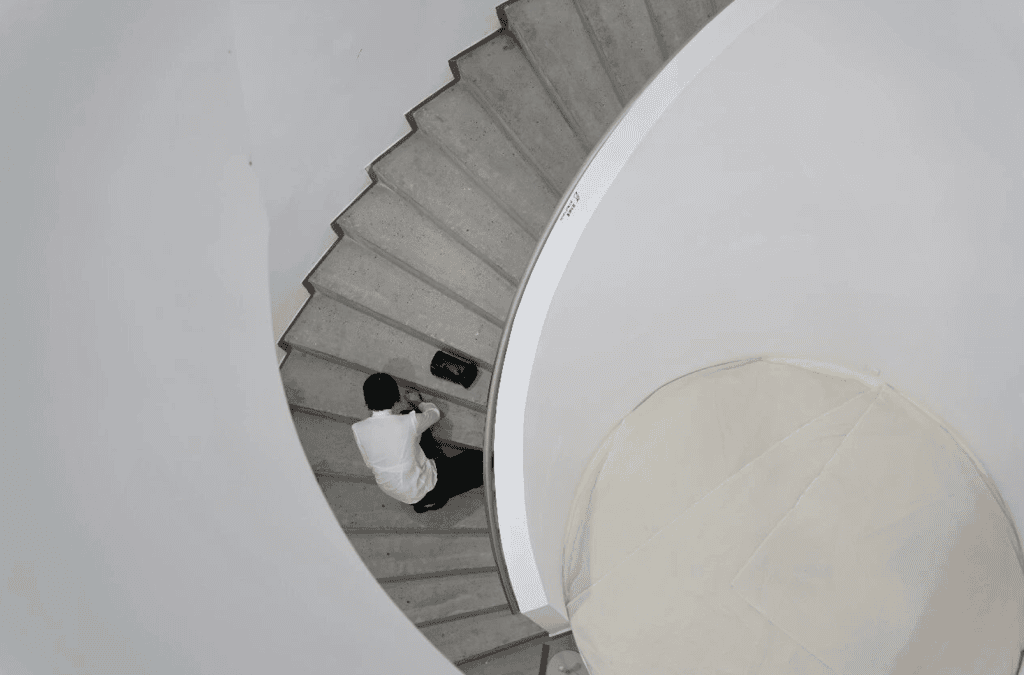
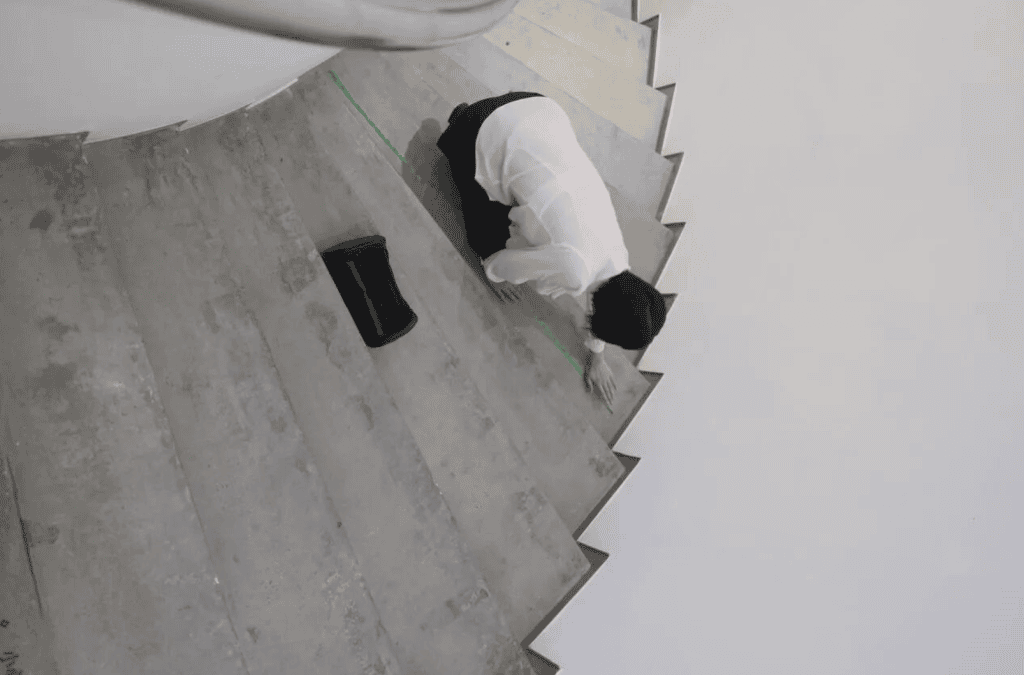
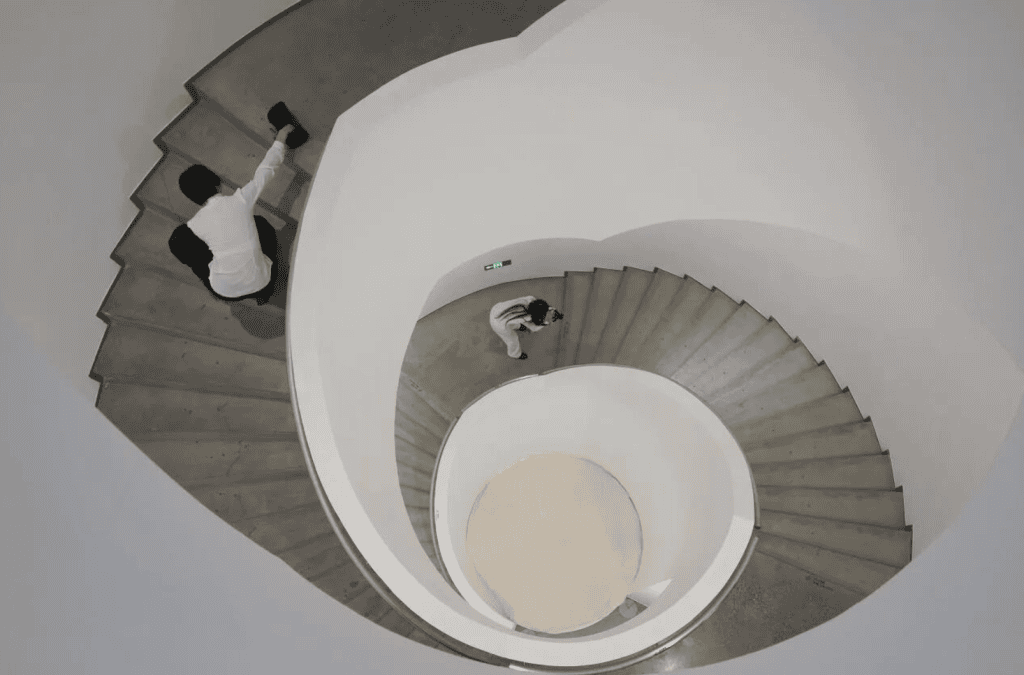
The work centers on humanity’s persistent quest for what is “correct.” The positions and standards that are repeatedly validated may, in fact, be nothing more than human-constructed rules from the very beginning.
Dressed in formal black-and-white attire and carrying a green measuring tape and red beads, the artist ascends a spiral staircase step by step. With each step, the artist measures the space to locate its center, placing a red bead precisely in the middle. Upon reaching the top, the artist sets aside the tools, turns around, and descends—kicking each of the carefully positioned beads out of place. Through this transition from the establishment of order to a deliberate departure from it, the work invites a reconsideration of the meaning of “correctness,” and explores whether an individual possesses the freedom to break the very rules they have set for themselves.
Oct, Jinyue Children’s Art Museum
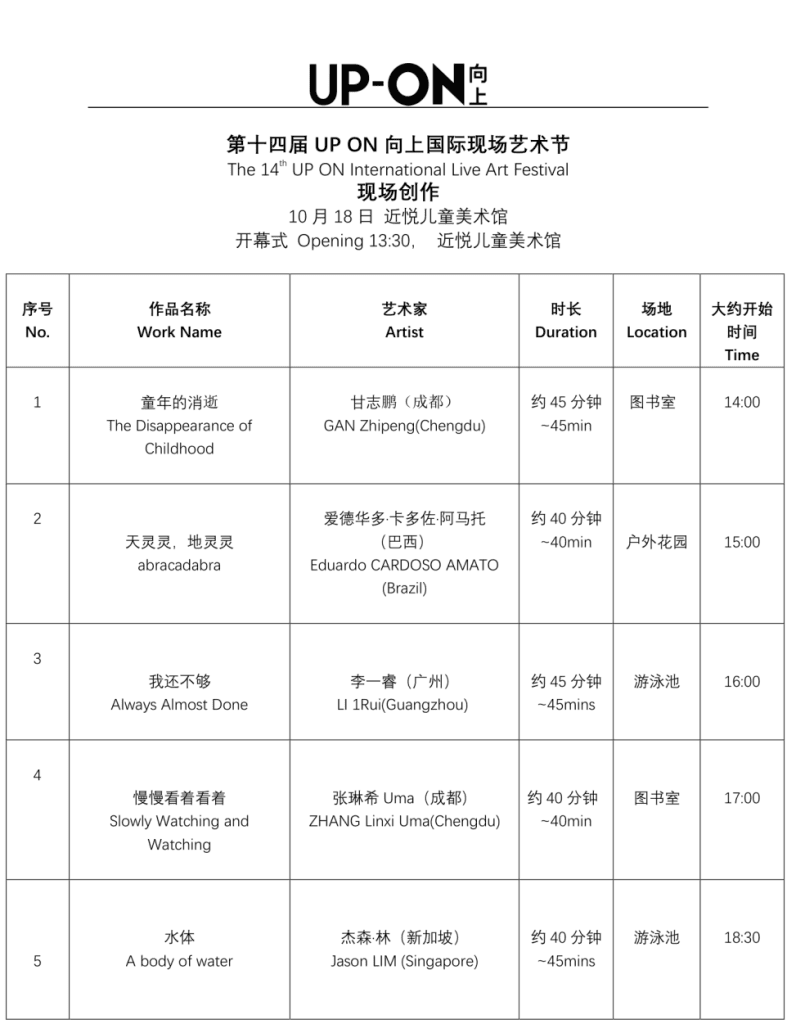
GAN Zhipeng(Chengdu)
The Disappearance of Childhood
30 minutes
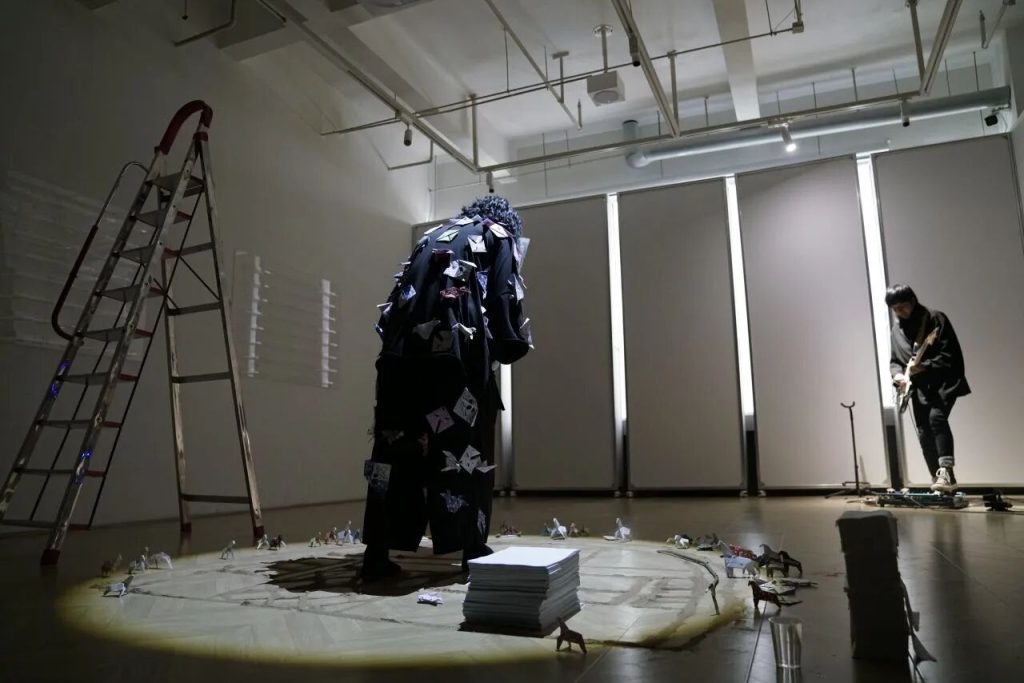
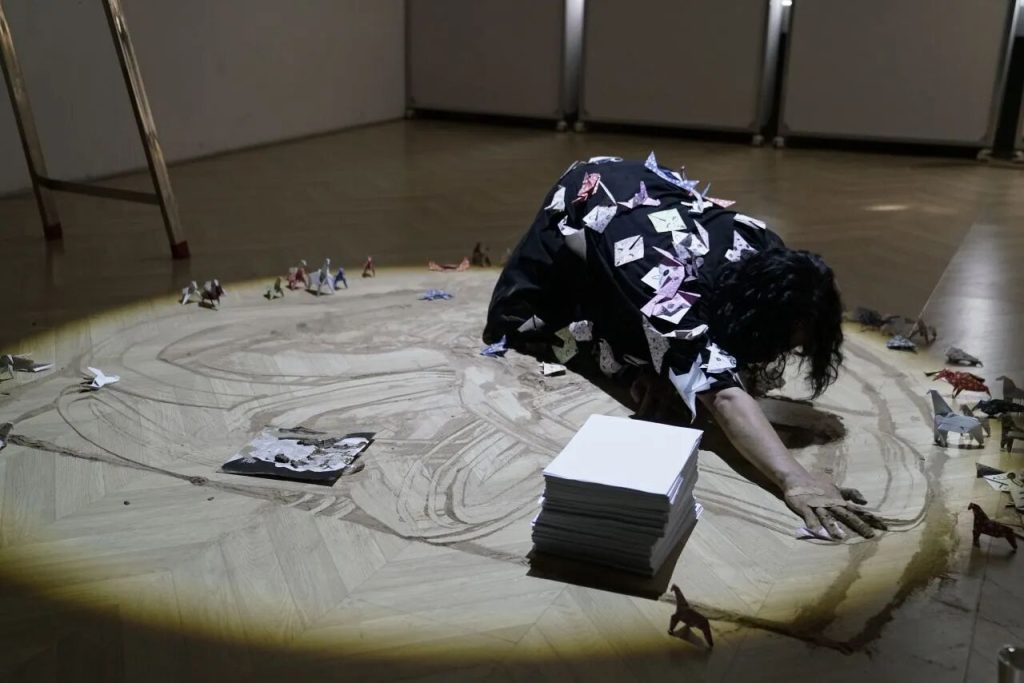
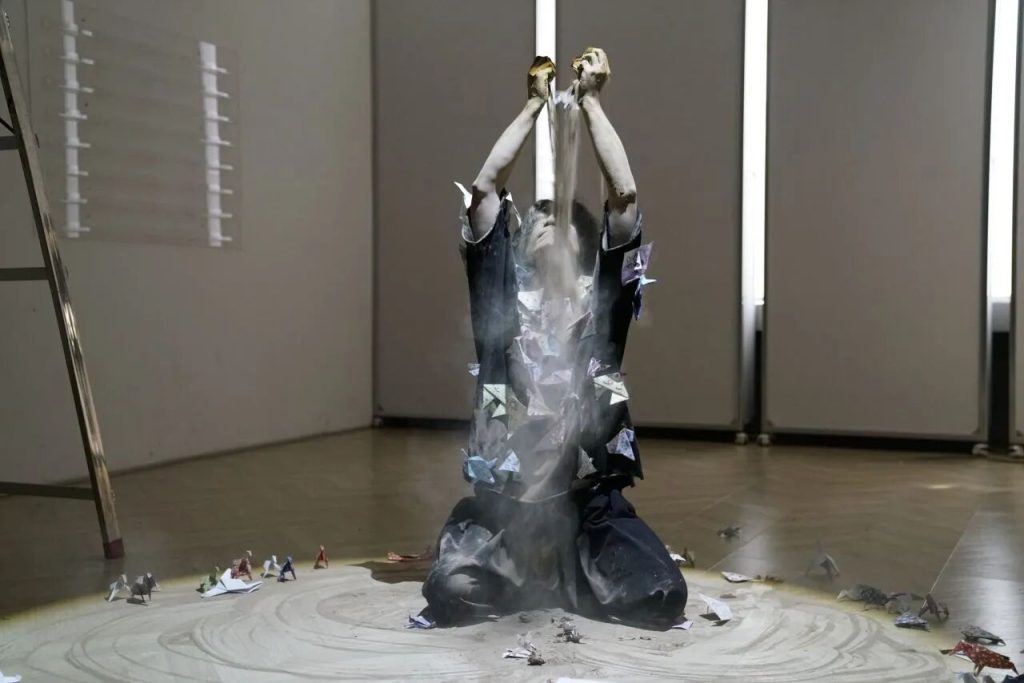
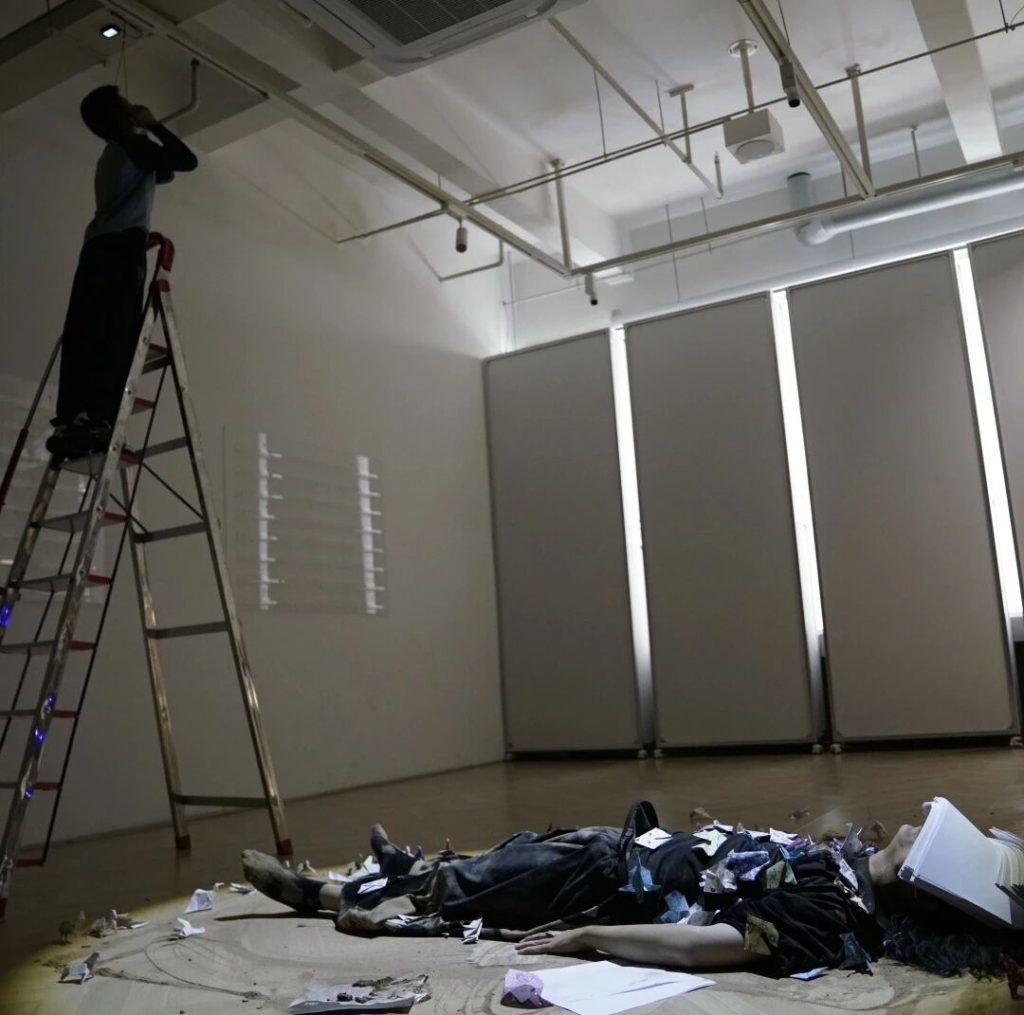
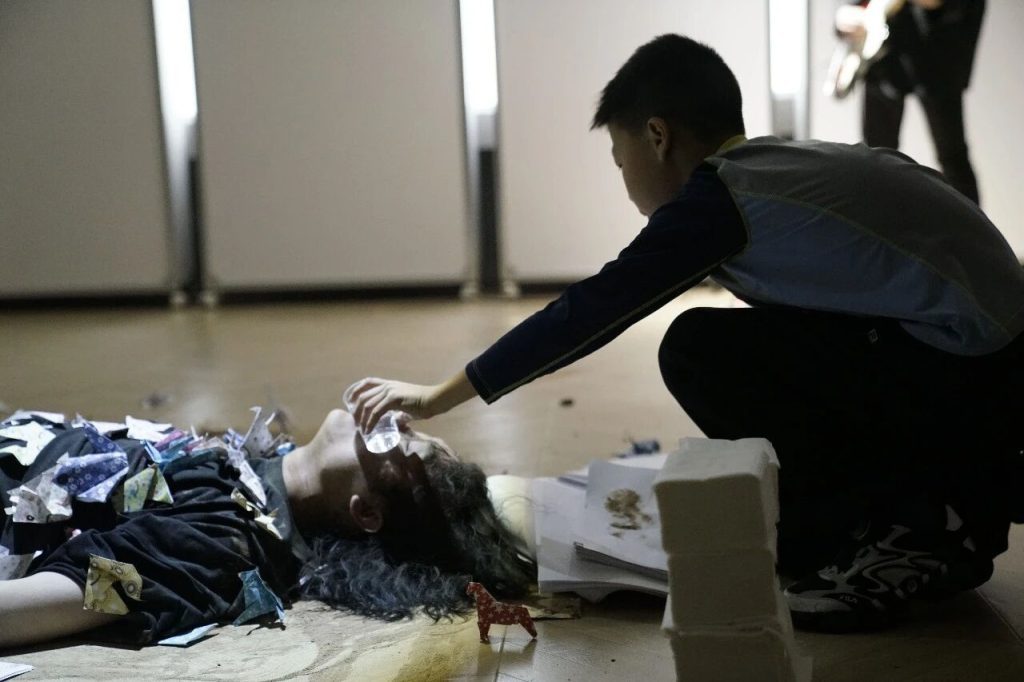
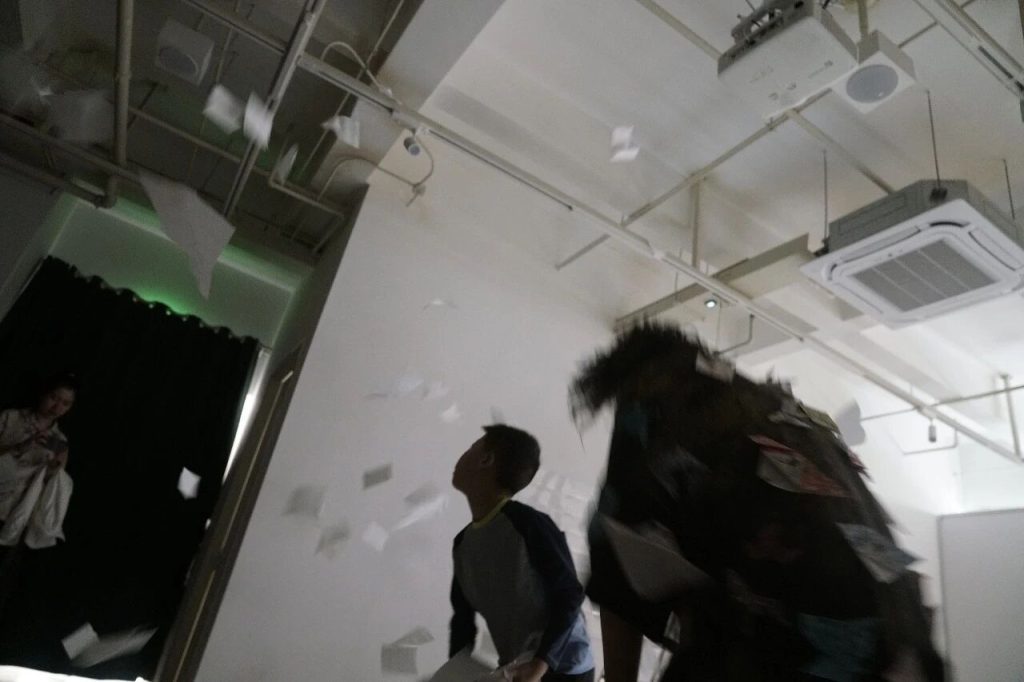
Script/Screenwriter/Director: Gan Zhipeng
On-site Coordination: Liu Shengyang, Gan Zhipeng
Actors: Gan Zhipeng, Xiao Nan, Yang Mucheng
Music Director: Xiao Nan
Live Sound: Xiao Nan
On-site assistants: Liu Ziqian, Lin Hanjing
Prop Arrangement: Gan Zhipeng, Liu Shengyang, Dang Zhen
Device Support: Dai Zhouke
Camera: Yang Xi
Photography: Peng Weiwen, Xiao Kai
Jujube Tree
When I was a kid, a date tree was.
The other is also an date tree.
When I grew up, one was an date tree.
The other one doesn’t know where.
Cries in the buildings
Closed their eyes at the same time in the dark of night
All that remained was a window and a pupil that was as bright as a pupile that had forgotten to shrink back
I just finished everyone’s dream.
Holding a doll that can’t be named
Dog bark, song, fireflies in a sleeping dream
They have become the last straw.
That tree has thorns and fruit.
Mature fruit meat can be
Sweeten the sourness in tears
It blocks light and it blocks it.
Those eyes that can’t open behind the night
It doesn’t want to grow.
What anyone has drawn?
When you retreat from all your pupils
When it’s clean,
All that window is still lit.
The tree stood beyond the pupils
Standing on the opposite side of the building.
Standing outside where everything can be named
It won’t go. It won”t come back.
It just stood like a word that wasn’t finished.
Hanging between two trees.
Eduardo CARDOSO AMATO (Brazil)
abracadabra
40 minutes
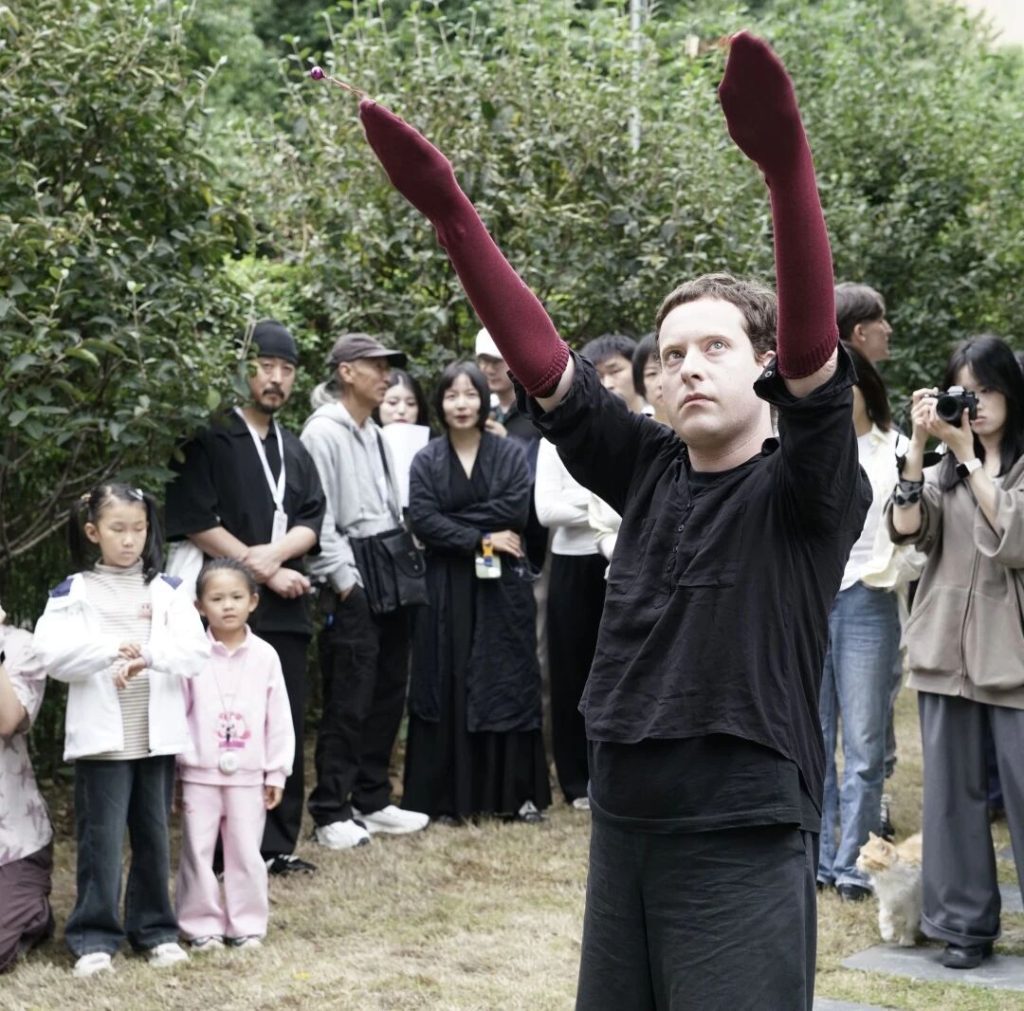
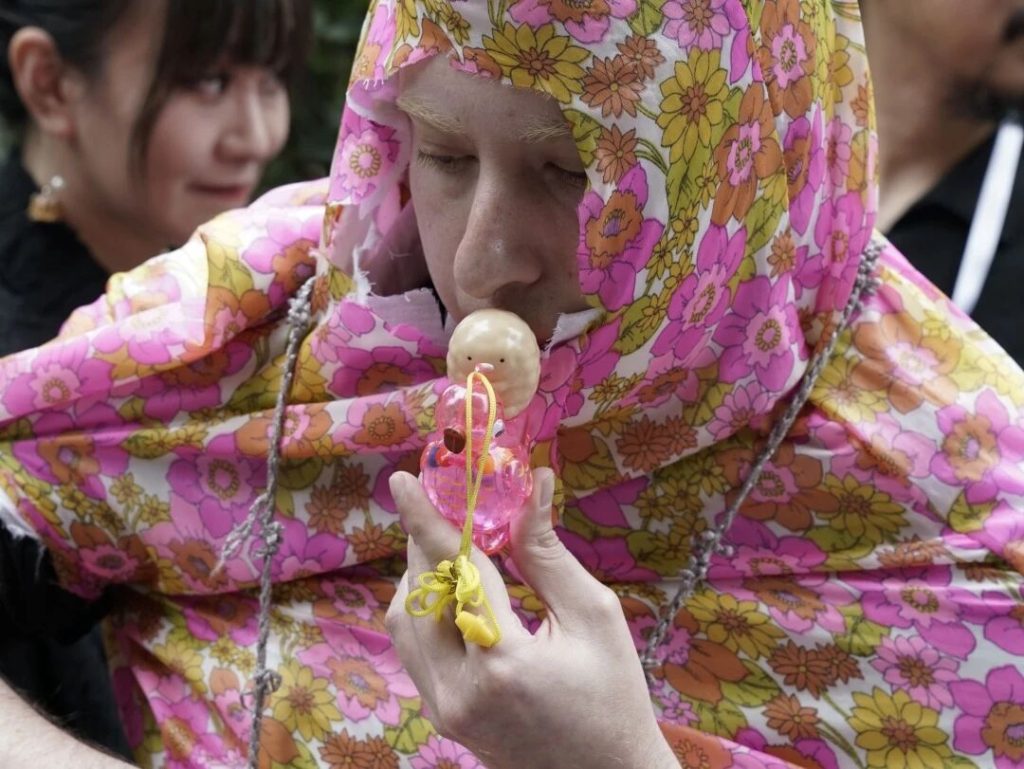
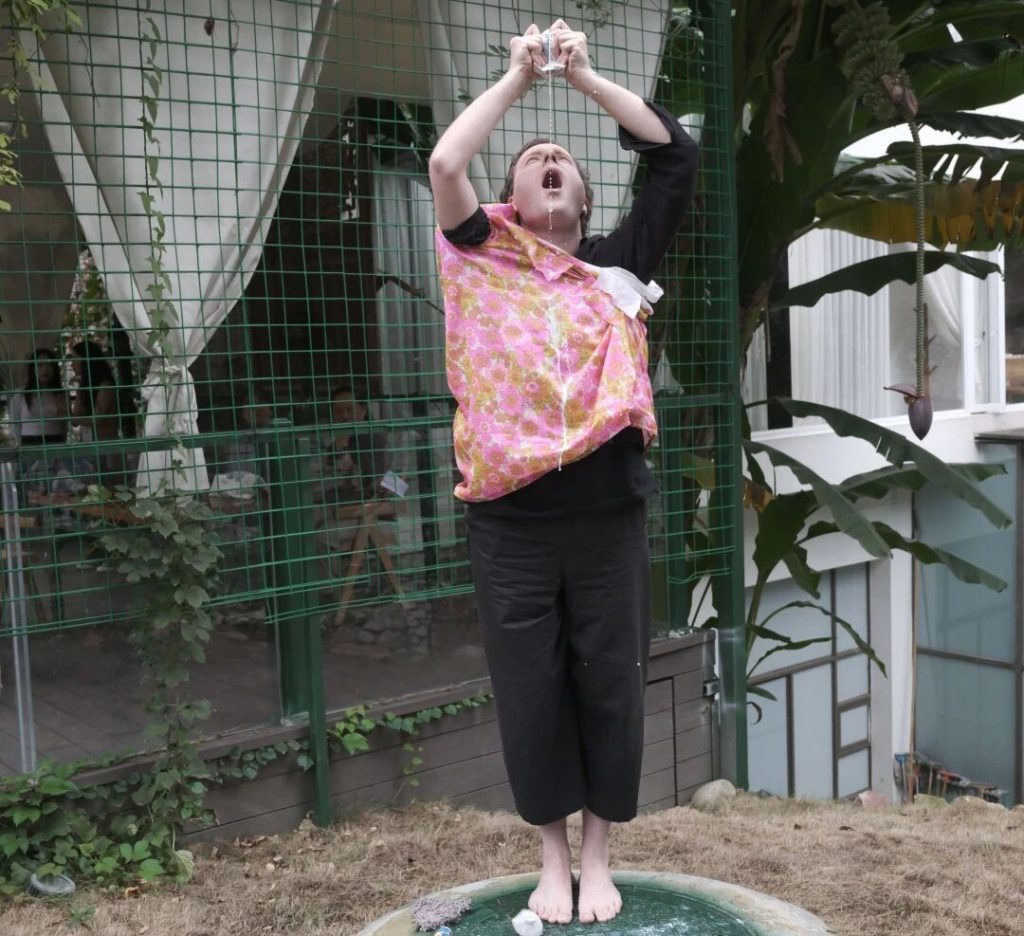
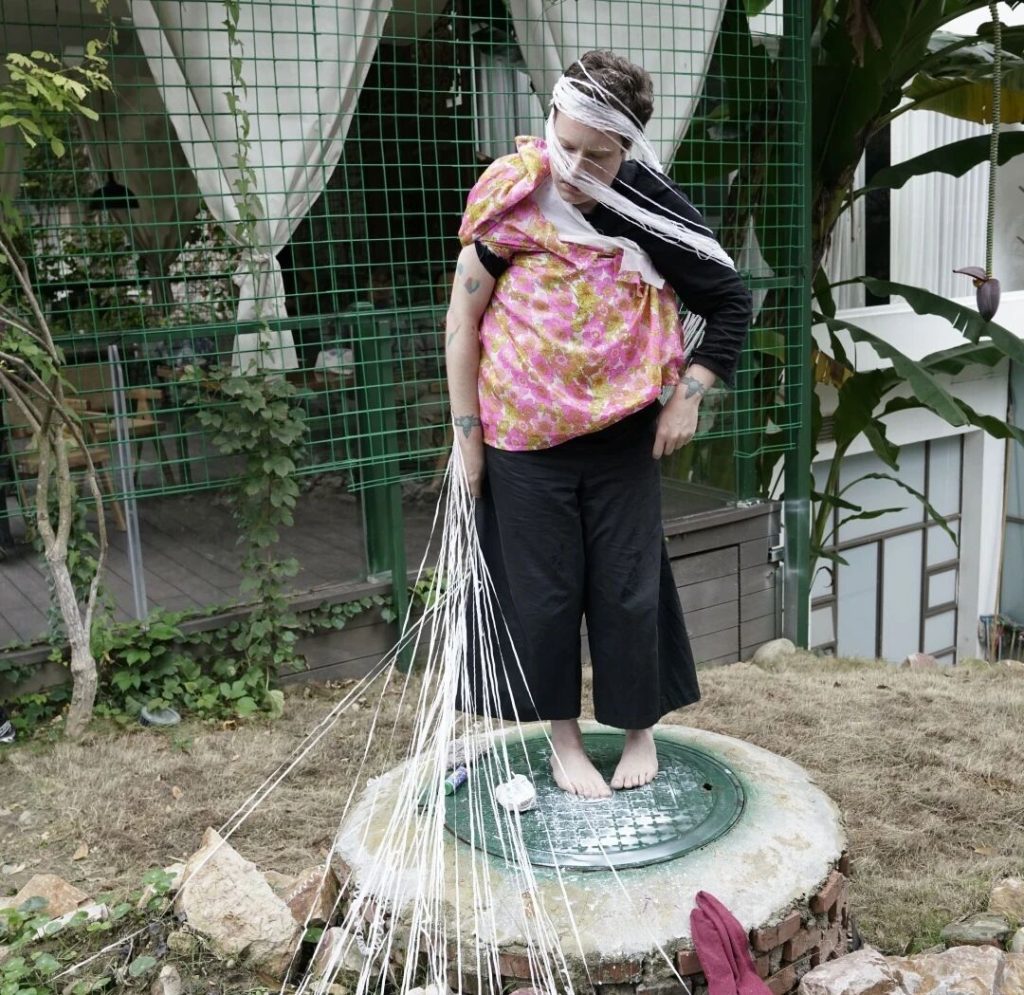
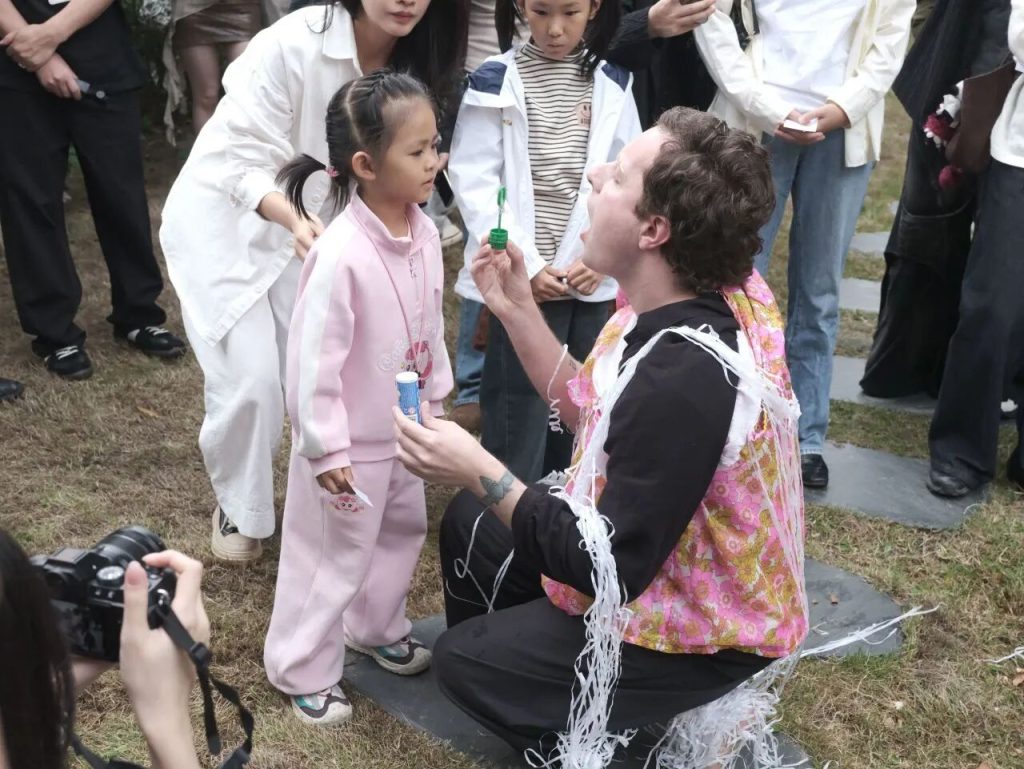
The artist, Eduardo, stands barefoot in an outdoor garden. As the audience gathers, he begins to work slowly with various materials: he pulls long cotton socks over his hands and wraps a patterned piece of fabric around his head. He produces a water whistle and, while blowing it, interacts with the surrounding spectators; the sound of the whistle—reminiscent of the cheerful calls of birds in a forest—blends into the garden environment. Moving to a raised spot, he holds a carton of milk above his head and pours it over his face and body, then draws in a collection of long, thin plastic strips, wrapping them around himself. He subsequently approaches the crowd, takes out a bottle of bubble solution, and begins blowing bubbles, inviting the audience to join in. The performance concludes.
LI 1Rui(Guangzhou)
Always Almost Done
45 minutes
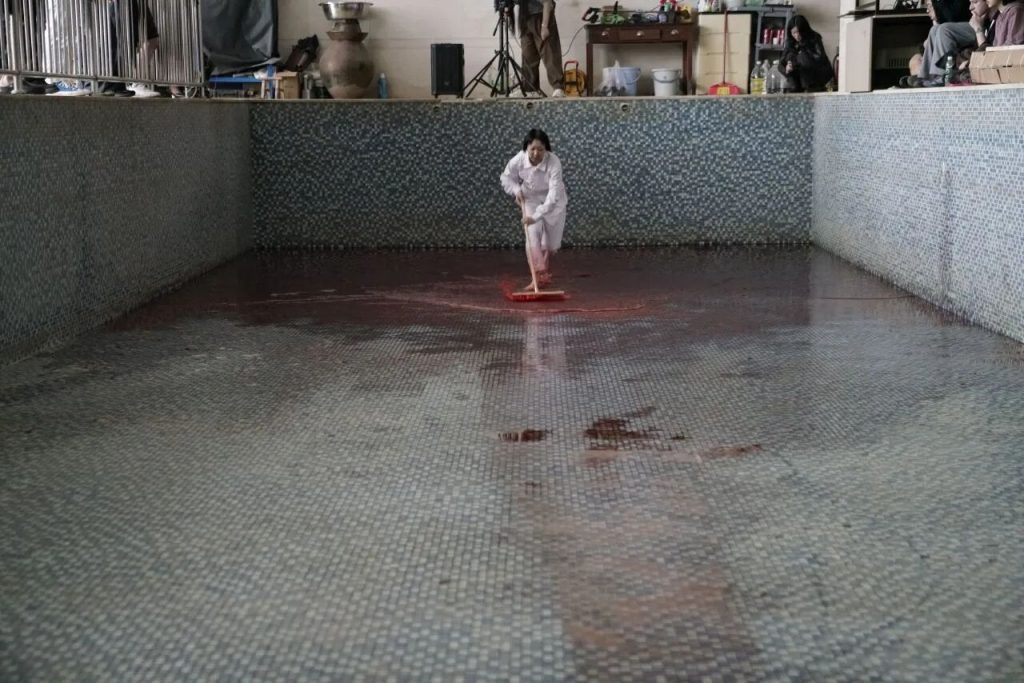
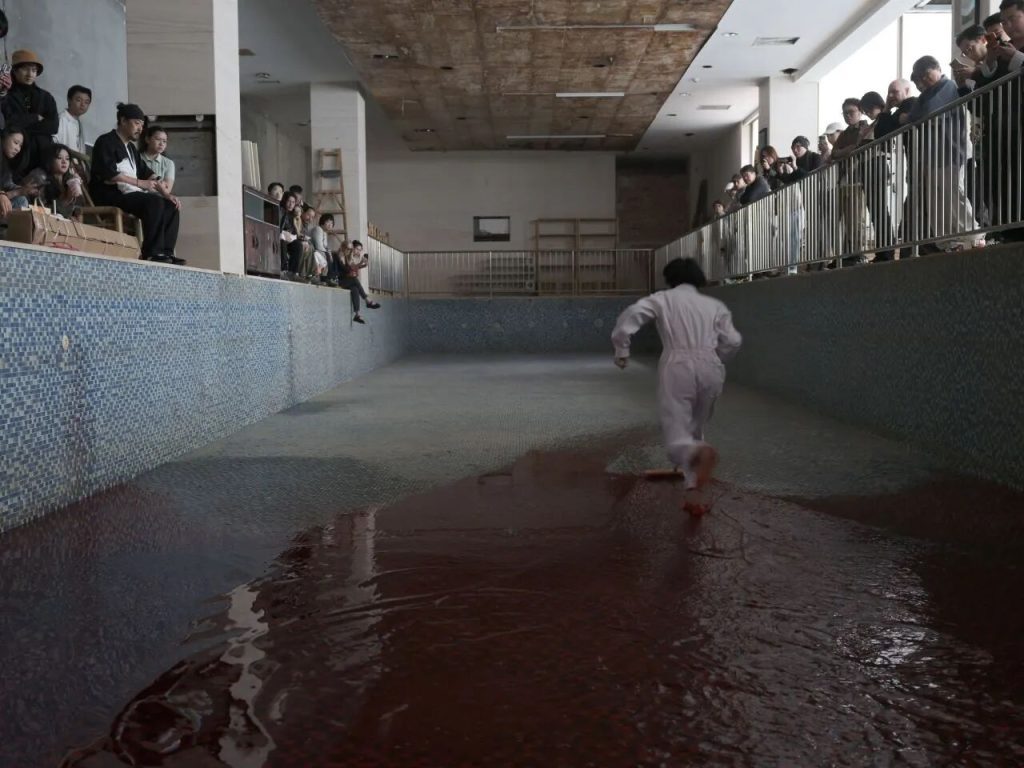
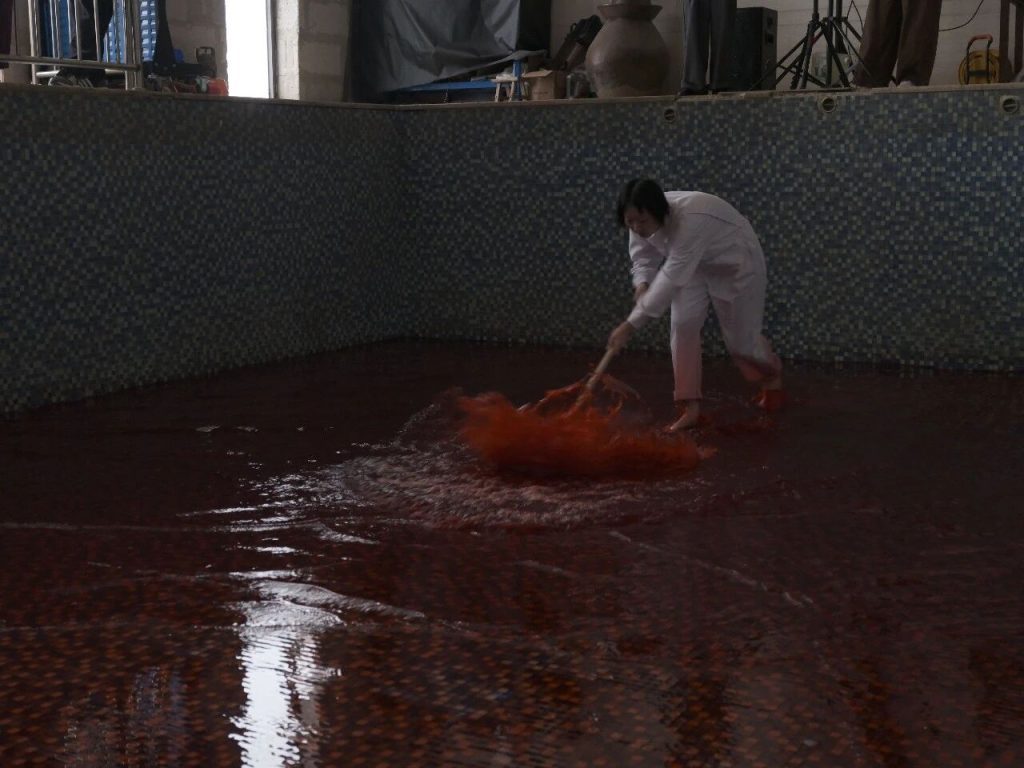
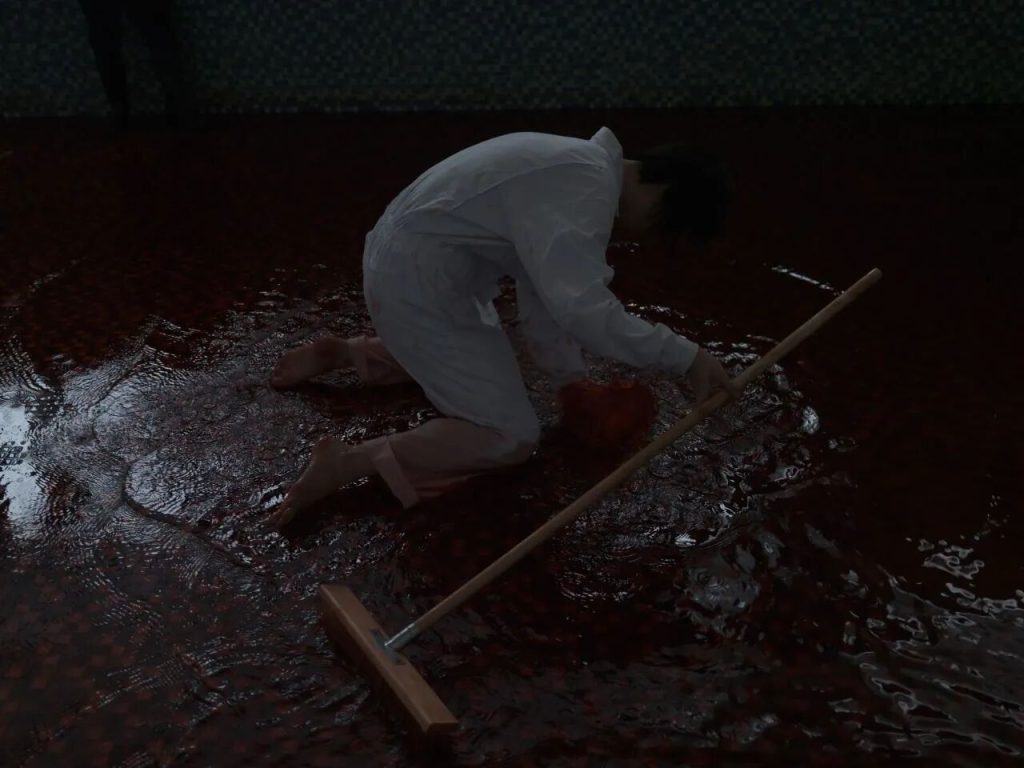
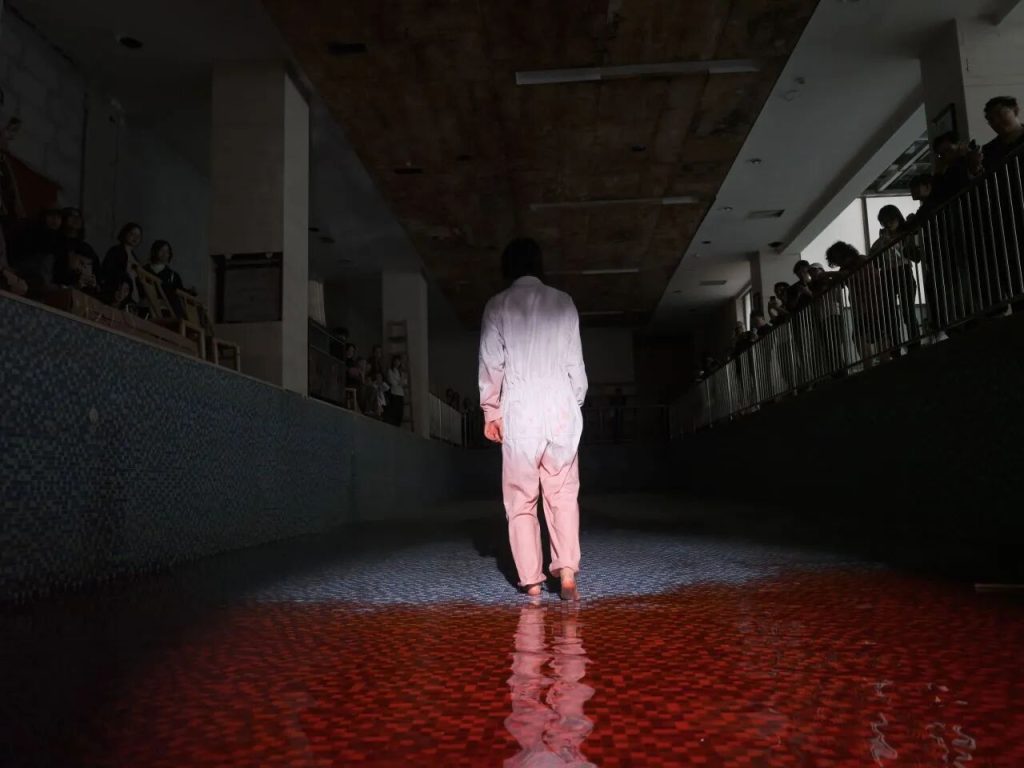
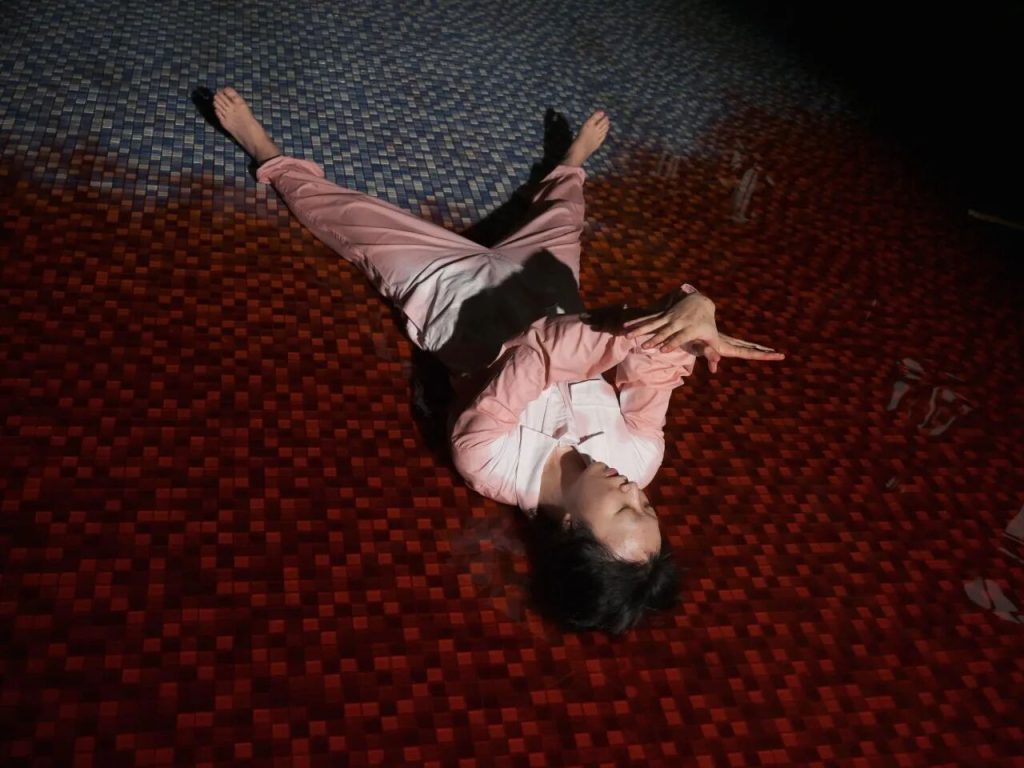
This work stems from the artist’s reflections on self-imposed expectations and persistent effort: we constantly set goals for ourselves, yet we always feel that what we have done is not enough. Does taking action truly equate to moving forward? At what point can one finally say that enough has been done?
Dressed in a white jumpsuit and barefoot, the artist enters an abandoned swimming pool. Using a long-handled floor brush, the artist repeatedly pushes a small, contained pool of red water toward the opposite end. The pool is 25 meters long, and its floor is uneven; as the water is pushed forward, it inevitably flows back toward the lower-lying areas. As physical strength wanes, the artist even drops to their knees, wringing out the water absorbed into their clothing, all while continuing to pursue the task. Eventually, the artist chooses to stop. They play a song they have sung themselves—titled “Let Me Fly”—and lie down in the red water, remaining there until the music ends, at which point they rise and depart. The unfinished task is left behind.
ZHANG Linxi Uma(Chengdu)
Slowly Watching and Watching
40 minutes
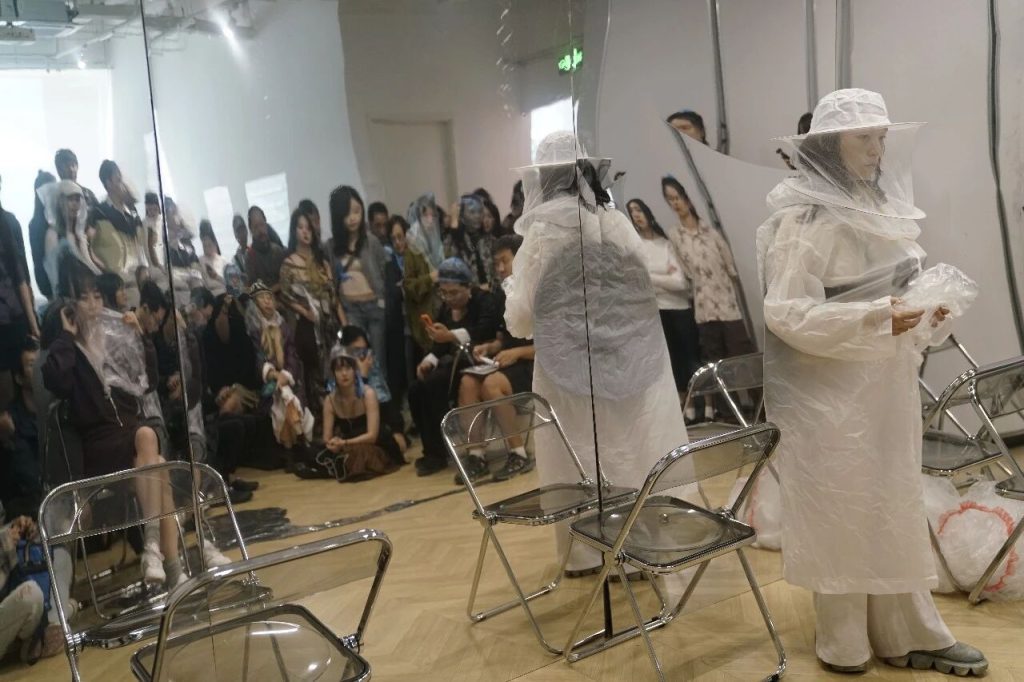
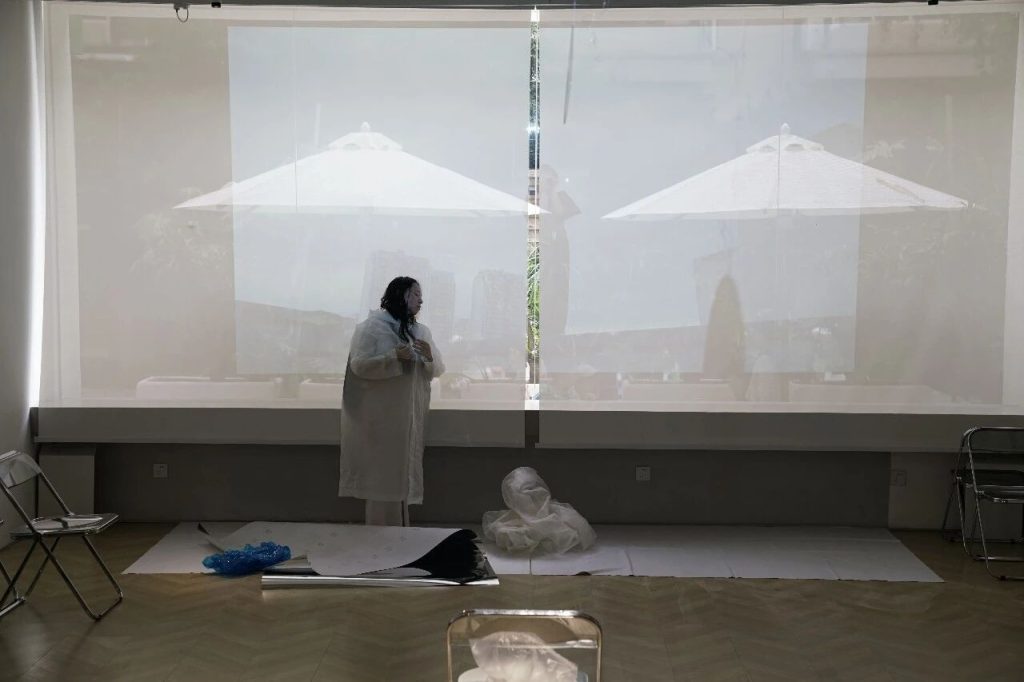
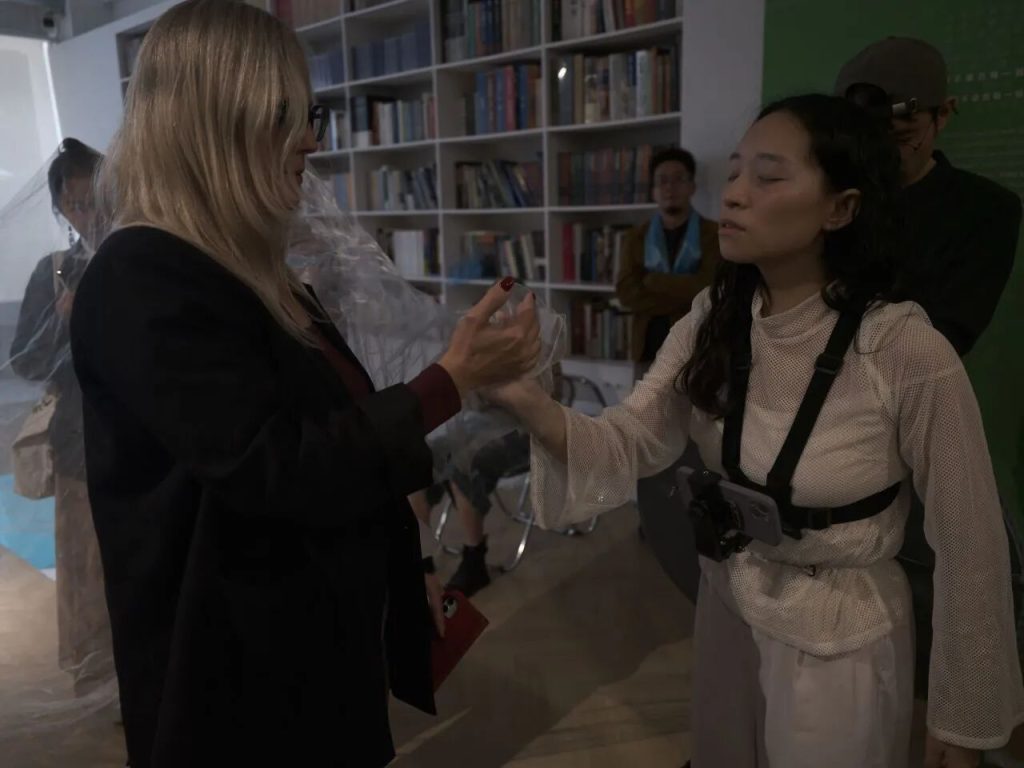
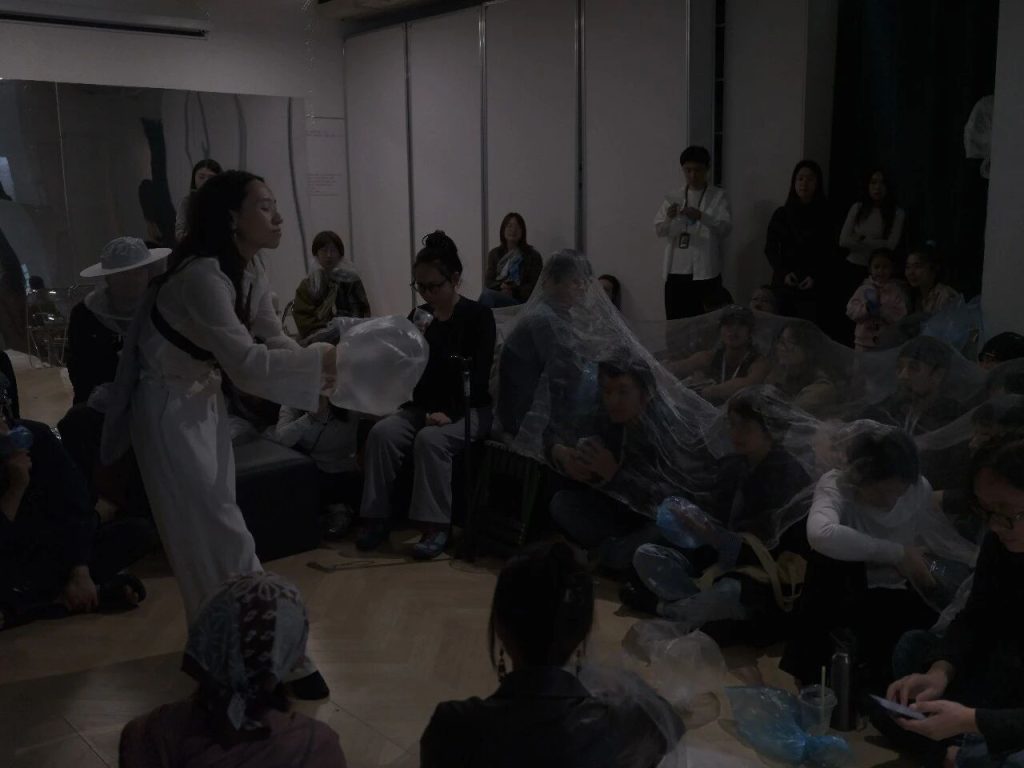
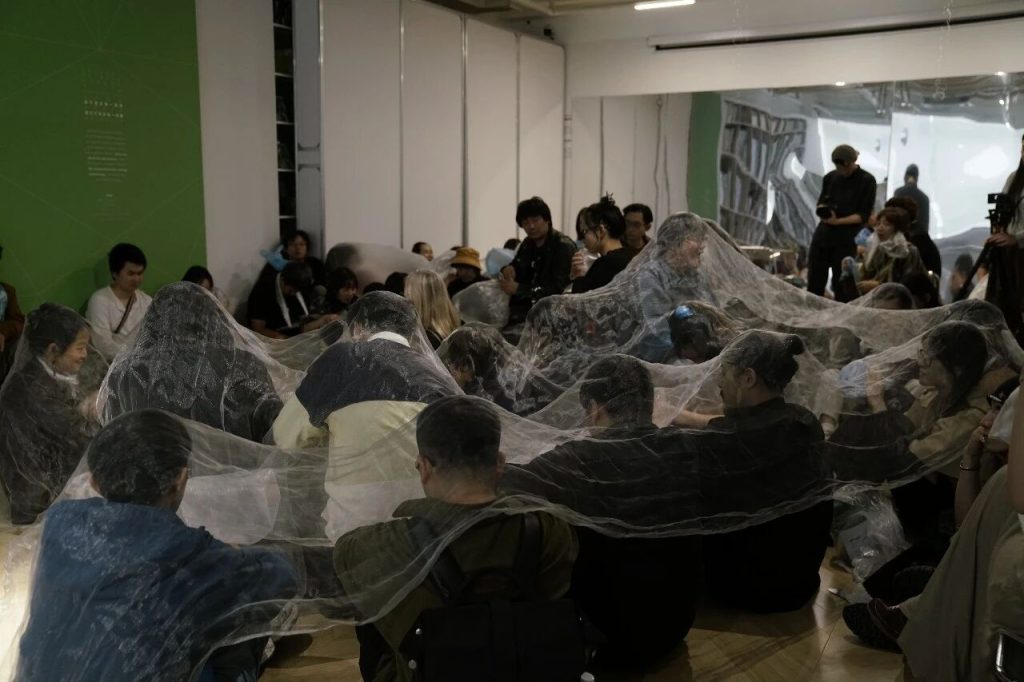
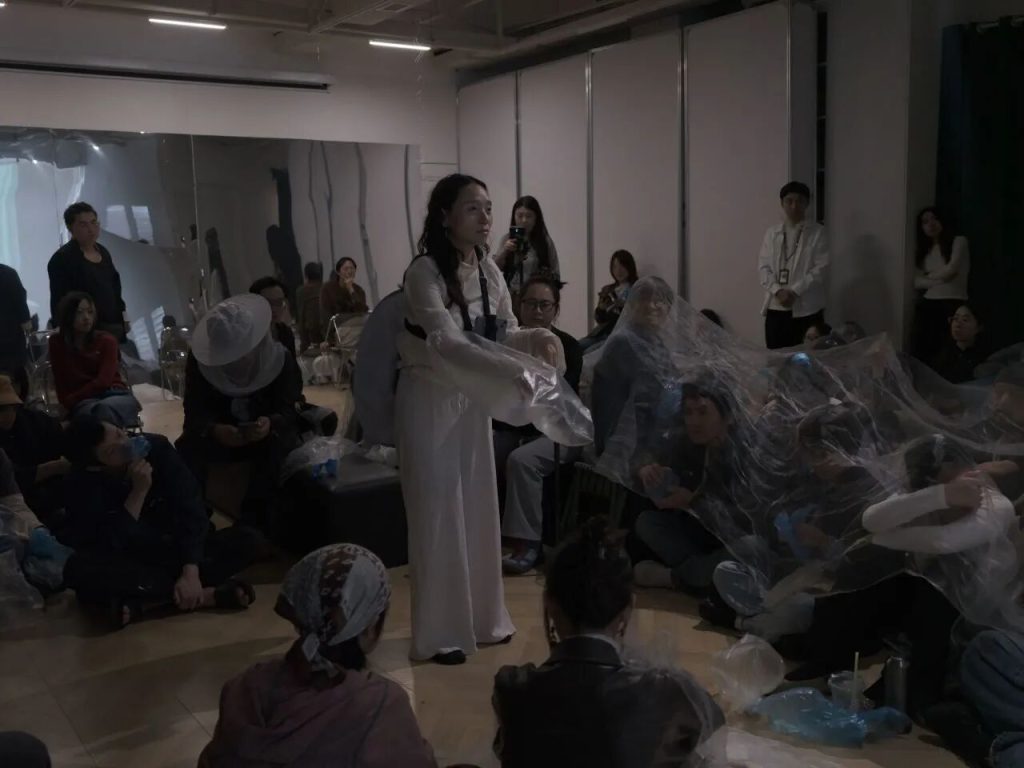
Slowly Watching and Watching stems from ongoing life experiences. Faced with the conflicts, uncertainties, and unresolved matters of daily life, I have found more space to observe and feel things at a slower pace. This work grew out of that very state of being.
The piece employs the body, imagery, sound, space, and time as its mediums. In preparing the site, I studied the space and arranged its elements—retaining a large library window that looks out onto the street, while incorporating blackout fabric and projections. Footage from my past, real-time projections captured via a mobile device worn on my body, and the unfolding street scene outside the window collectively weave together the visual landscape of the performance.
The initial plan did not dictate a rigid sequence. Instead, I continuously adjusted my actions, materials, and modes of interaction based on the number of people present, the state of the space, and the level of audience participation. To me, this process felt like a form of three-dimensional painting: the body, imagery, materials, audience, and space—through constant observation and response—co-created an ever-evolving environment.
Audience members were free to participate, pause to watch, or retreat into their own inner thoughts and imagination. Each person could find their own rhythm and way of engaging with the space.
Reflecting on the creative journey, I realized that the work—almost imperceptibly—returned to its original inquiry: that one can inhabit a position from which to observe life, even while living it.
This position was neither predetermined nor deliberately sought; rather, it emerged gradually through the interplay of life experiences, physical actions, spatial relationships, and the mutual act of looking shared with the audience.
Special Thanks
Music Composition | Sin°
My gratitude goes to Sin° for composing the music based on the work’s initial structural framework and overall atmosphere, providing an essential sonic foundation for the live performance.
I would also like to thank the staff and volunteers at the Jinyue Children’s Art Museum for their support and assistance throughout the preparation and presentation of this work.
Jason LIM (Singapore)
A body of water
40 minutes
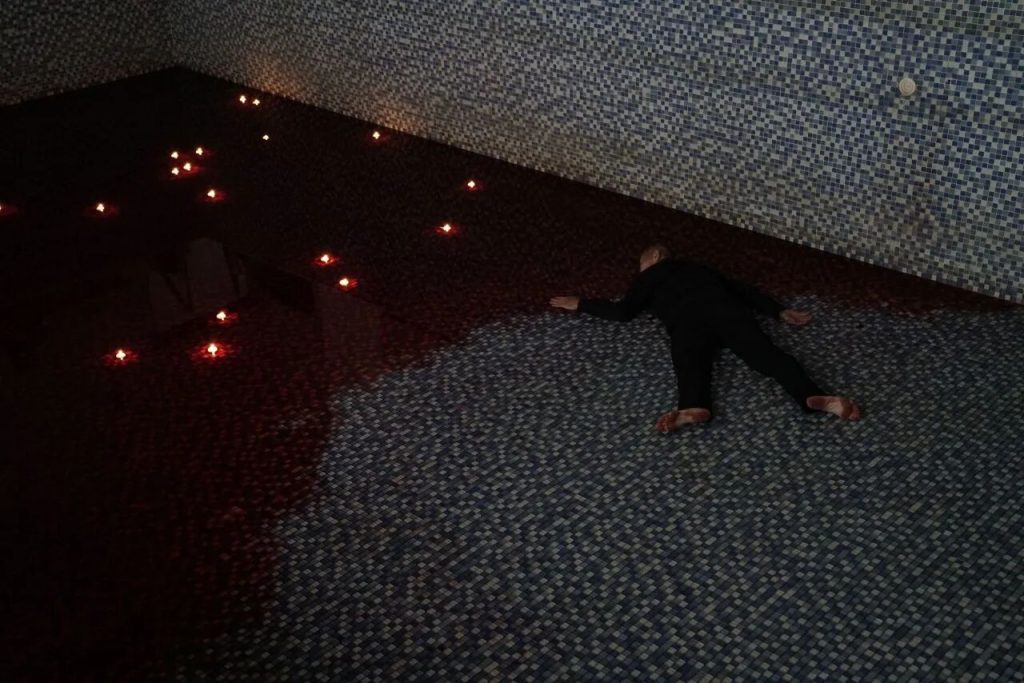
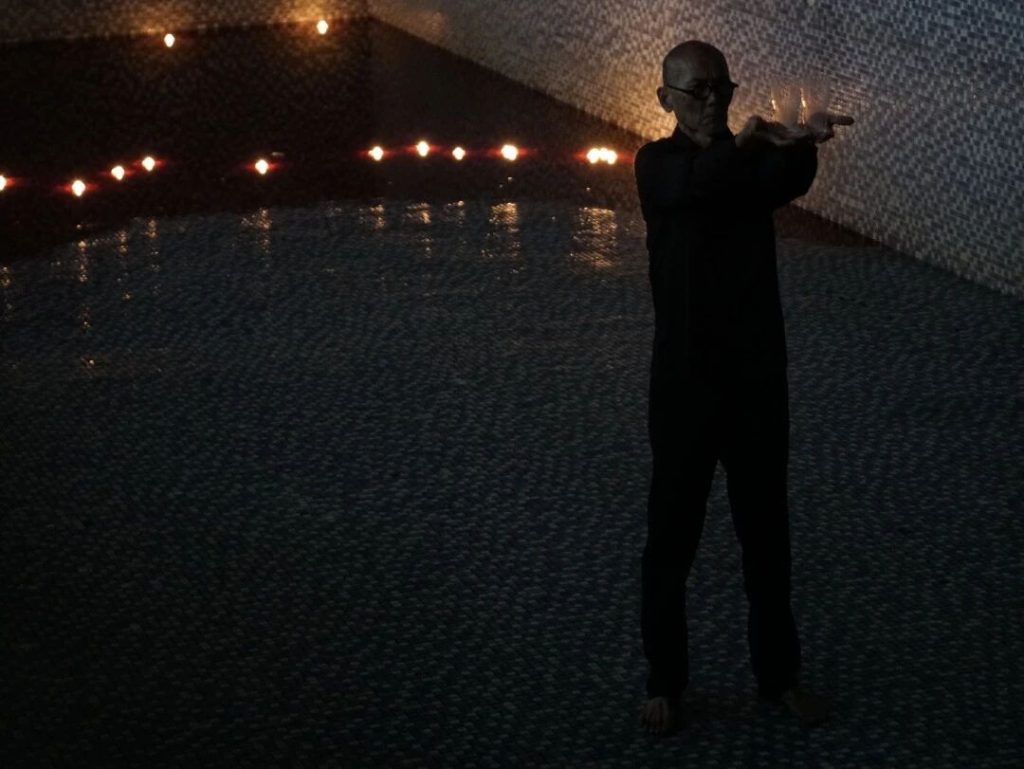
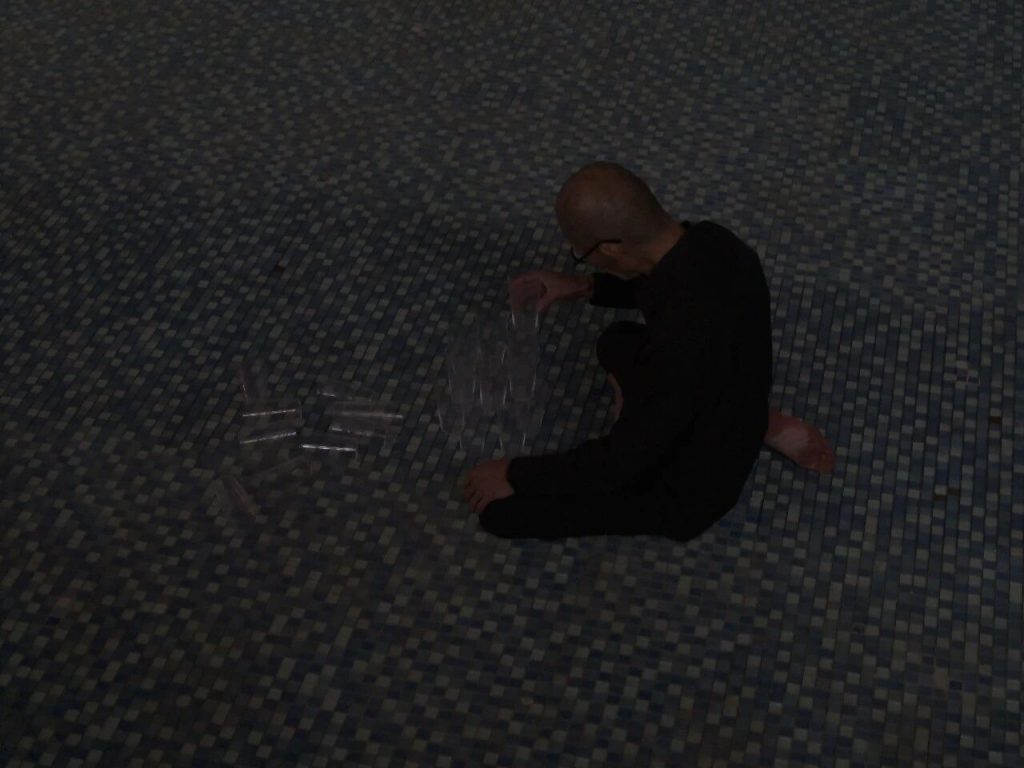
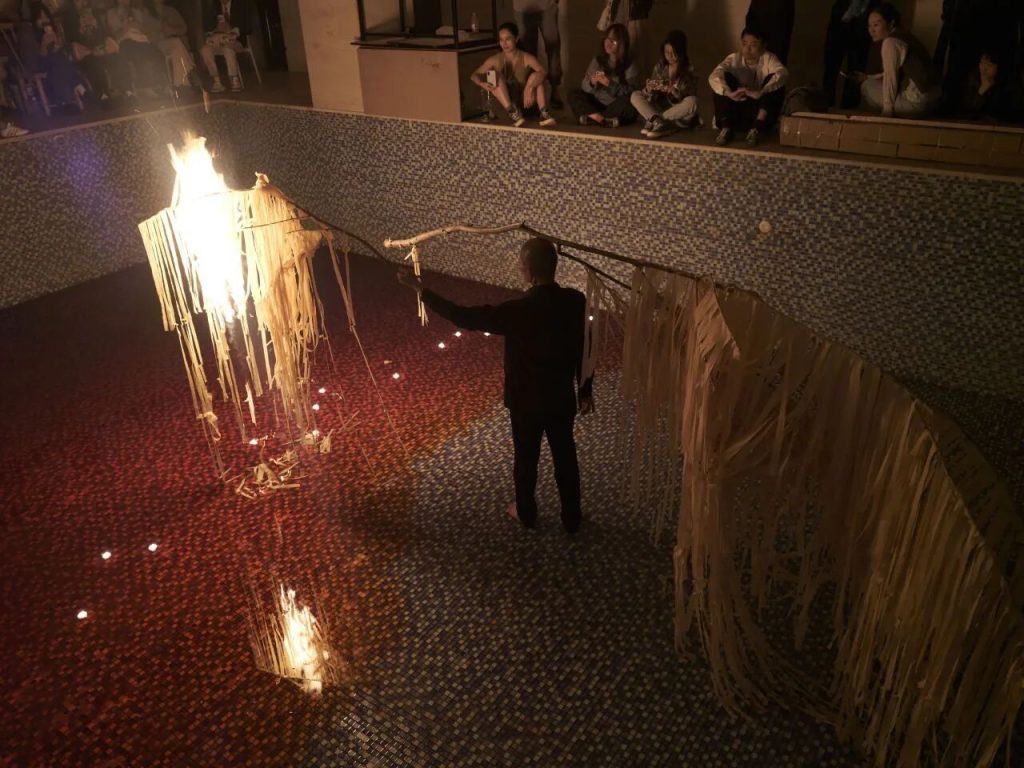
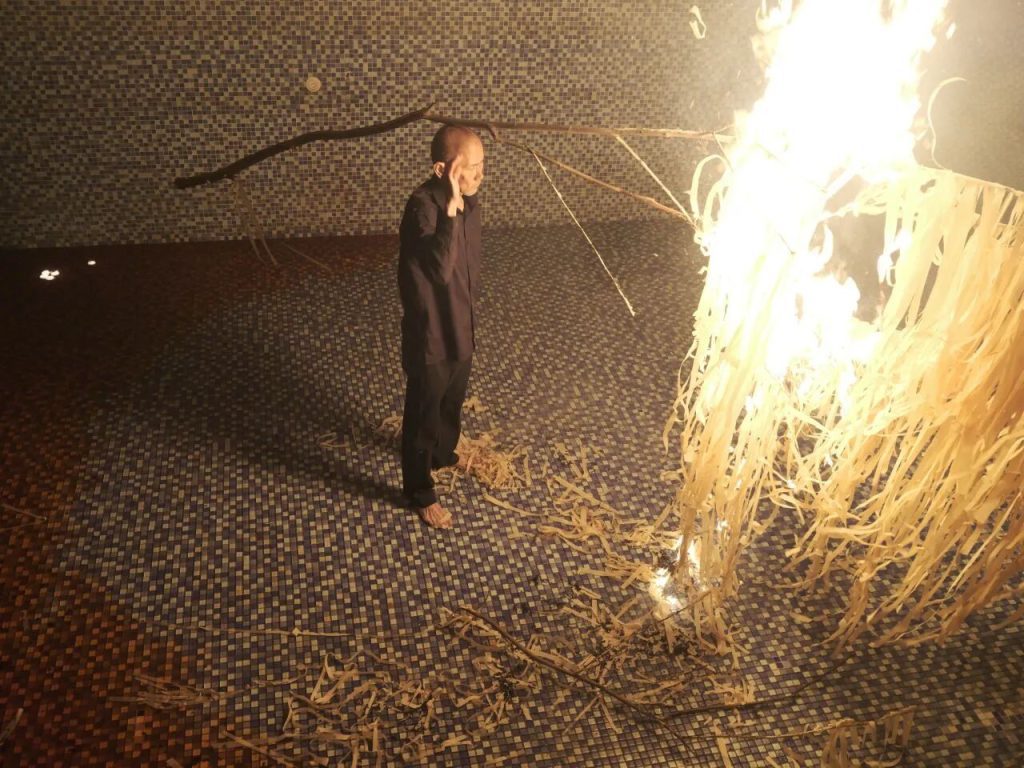
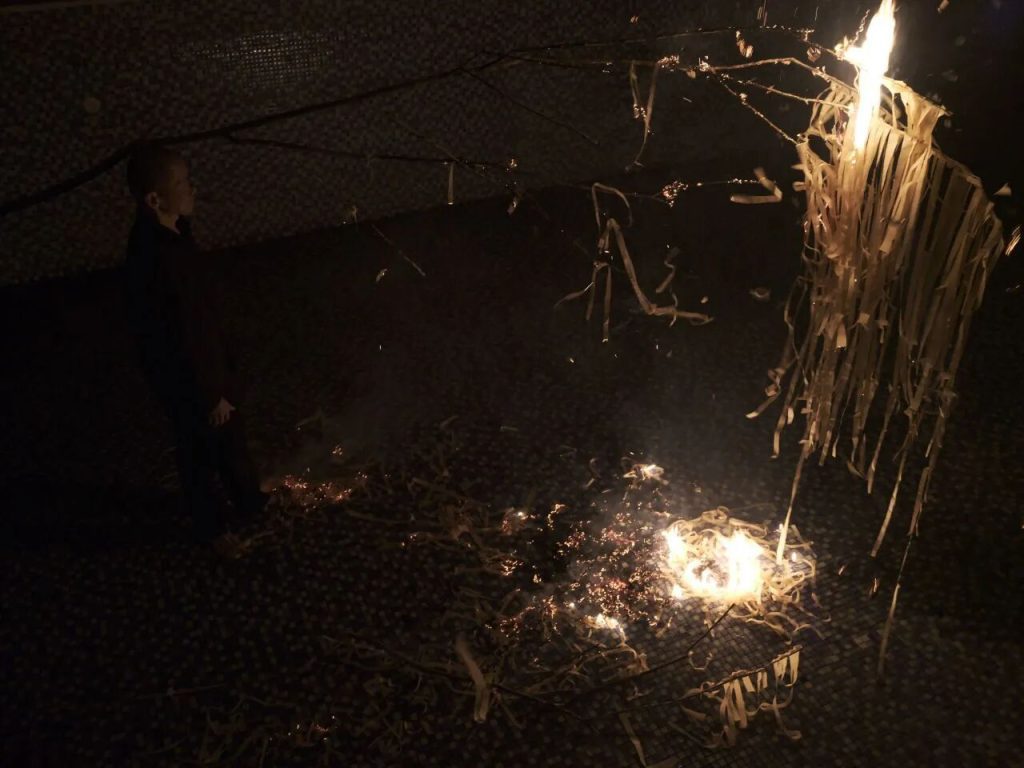
A body of water is a performance art piece presented by Jason Lim at the 2026 UP-ON event in Chengdu. Set within an abandoned indoor swimming pool, the work employs a series of actions involving water, glass, sound, the human body, and fire to explore the relationships between intention and chance, material transformation, memory, and impermanence. The piece also incorporates materials left behind by other artists during various iterations of UP-ON, imbuing this individual performance with a collective dimension that transcends time and location.
The performance was already underway before the audience arrived.
Twenty-four candles floated upon a pool of red water—water that remained from a previous performance by another artist in the same space. Jason lay motionless at the bottom of the pool, his head positioned near the waterline, his body straddling the boundary between the dry, mosaic-tiled floor and the water. The stillness of his body contrasted with the gentle flickering of the candlelight, creating a quiet tension between presence and absence, movement and stasis.
Later, some audience members remarked that the floating candle flames reminded them of the Big Dipper in the night sky. This unexpected association lent the scene a celestial quality, as if the night sky were reflected within the abandoned swimming pool. Through the act of viewing and the power of imagination, the candle flames—initially mere objects drifting on water—took on meanings that extended well beyond the artist’s original intent. This serves as a reminder that the significance of performance art is not solely determined by the artist; rather, it is continuously generated through the individual perceptions and experiences of the observers.
Subsequently, Jason slowly rose from his reclining position and tossed glass beads—retrieved from his pockets—against the pool walls. These beads were materials left by another artist during the UP-ON event in Shanghai. Having traveled from Shanghai to Chengdu, they entered a new performance, taking on a different life through these fresh actions.
As the glass beads struck the walls, they bounced and rolled across the mosaic tiles, producing a series of crisp, irregular sounds. Some of the beads rolled toward the water; as the surfaces they encountered shifted, so too did their movement and the sounds they created. The architectural space of the abandoned swimming pool serves as a resonant chamber, amplifying the interplay between glass, ceramic tiles, and water. Gravity, the uneven floor, and the unpredictable trajectories of the glass beads all become active participants in the evolution of the work.
These repurposed materials establish a subtle continuity between distinct performance pieces. The red-tinted water and the glass beads are no longer mere remnants of past actions; they become vessels for memory, linking various artists, locations, and moments within the UP-ON project. Through this reuse of materials, the boundaries between individual performances blur, suggesting that an artistic action does not necessarily conclude when its original timeframe ends.
Subsequently, Jason uses his feet to gently maneuver glass cups, attempting to stack them into a tower held in a state of precarious equilibrium. He seeks to sustain a fleeting balance amidst the instability. However, the uneven mosaic floor of the pool—combined with its slight slope—makes it difficult to stabilize the structure. The tower collapses before completion, and some of the cups shatter.
Rather than treating the collapse as the end of the performance, Jason embraces the shift in the environment. He gathers the intact cups and nests them one inside another, creating a columnar structure. Each placement produces a distinct, crisp, resonant sound. He then rubs the rims of two cups together, generating a sustained, piercing tone that contrasts sharply with the earlier, abrupt clinking.
In this transition, the glass shifts from an object meant for containment and balancing into a medium for listening and sound production. The initial attempt to construct a fragile sculptural form evolves into an exploration of sonic possibilities. The unexpected collapse opens a new path, revealing how the inherent resistance of the materials—along with elements of chance—can reshape an artist’s original intent.
This exploration of sound also resonates with a simultaneous performance piece that Jason carried out alongside John Court during the UP-ON event in Shanghai. In his performance in Shanghai, he utilized a set of ceramic bells to explore resonance, silence, and the continuity of time. In Chengdu, glass vessels served as an alternative medium for sound production. Despite differences in material and function, both performances focused on eliciting sound from objects through everyday gestures, repetition, and physical contact. This transition—from ceramic bells to glass vessels—continues his exploration of listening, allowing sound to emerge from the interplay between the body, materials, and space.
The final act centered on a sculpture inspired by a willow tree, its branches draped in slender strips of paper. For Lin Ronghua, the willow tree evokes personal associations with the passage of time, the cycle of life and death, and the fragile nature of human relationships.
As the paper strips were set alight, flames crept along the branches. The strips curled, burned, and drifted downward, casting light and warmth into the surrounding darkness. Under the influence of the fire, the tree-like form—initially defined by its hanging paper—underwent a visible transformation.
The act of burning introduced a more intimate emotional dimension to the work. Beyond a mere physical transformation of materials, it serves as a metaphor for the ever-changing nature of human relationships: encounters, attachments, partings, and the memories that remain. Much like the burning paper, human connections may shift or even lose their original shape, yet they persist through the traces they leave behind.
Throughout the performance, Jason moved fluidly between deliberate action and attentive response. While the body initiates these events, it cannot fully dictate their outcomes; materials, the architectural space, and the conditions of the site continuously shape what unfolds.
This work can be understood as a meditation on the body as a vessel for experience—a repository for the traces left by encounters, actions, and relationships. Water, glass, and fire act as agents of transformation, while sound—through its emergence and eventual disappearance—renders the flow of time perceptible.
More importantly, this performance transcends the personal experience of a single artist. By incorporating the red-tinted water left over from a previous performance in Chengdu, alongside glass beads brought from the UP-ON Shanghai event, Lin Ronghua allows traces of other artistic actions to permeate his own work. These materials traverse various bodies, spaces, and moments, acquiring new meanings with each fresh encounter.
What ultimately emerges is not a fixed composition or a definitive outcome, but a process of constant transformation—a space where individual intentions, the imprints left by a collective, and unforeseen events coexist. The audience’s association of the floating candlelight with the Big Dipper further extends this process, rendering the very act of viewing and perceiving an integral part of the work.
Once the performance concludes, what remains is not merely the physical residue at the site, but also the lingering memories of sounds, movements, and shifts. It serves as a reminder that every encounter carries the traces of the past, and that all things exist in a state of perpetual change.
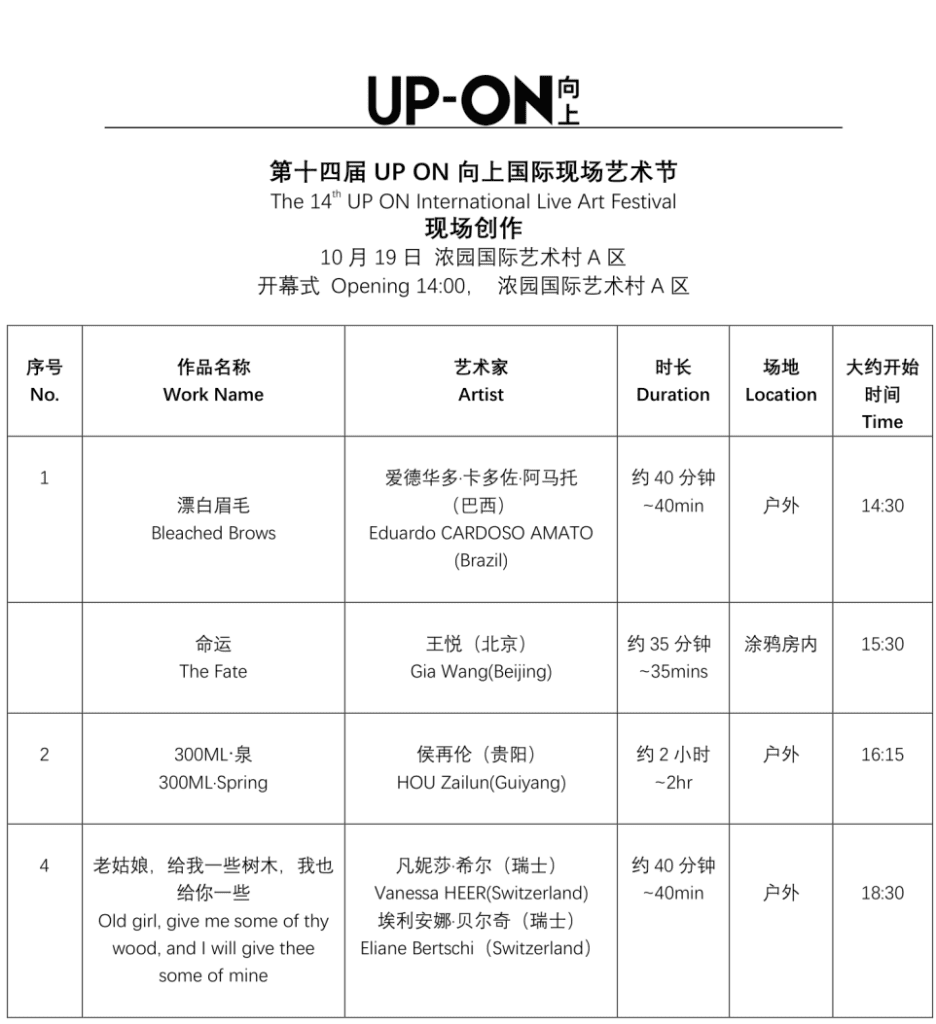
Oct 19th, NongYuan International Art Village A Zone
Eduardo CARDOSO AMATO (Brazil)
Bleached Brows
40 minutes
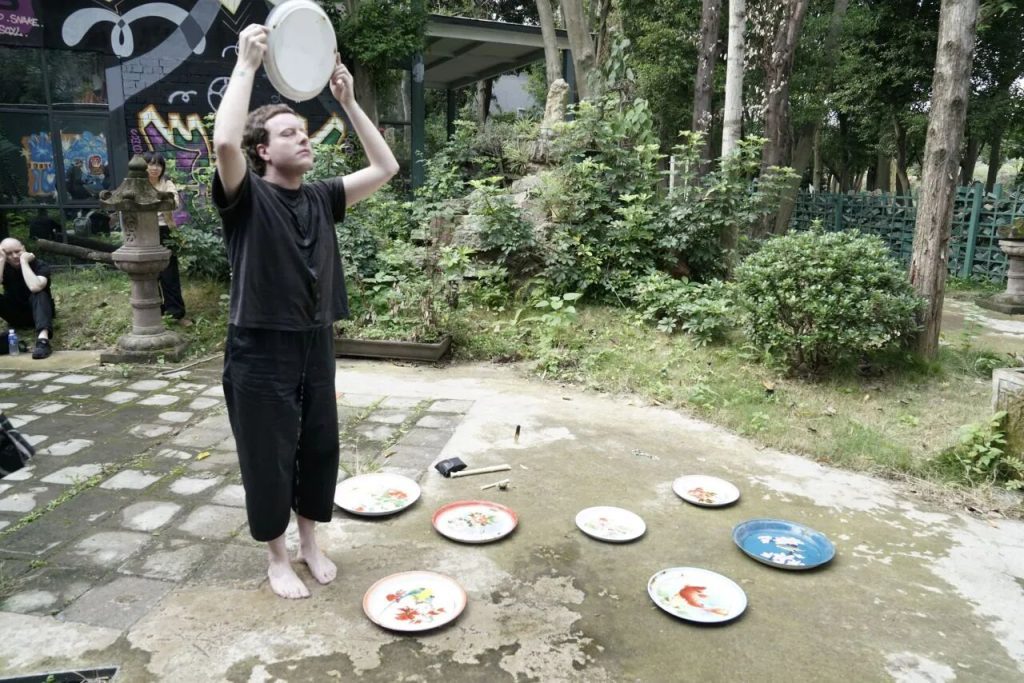
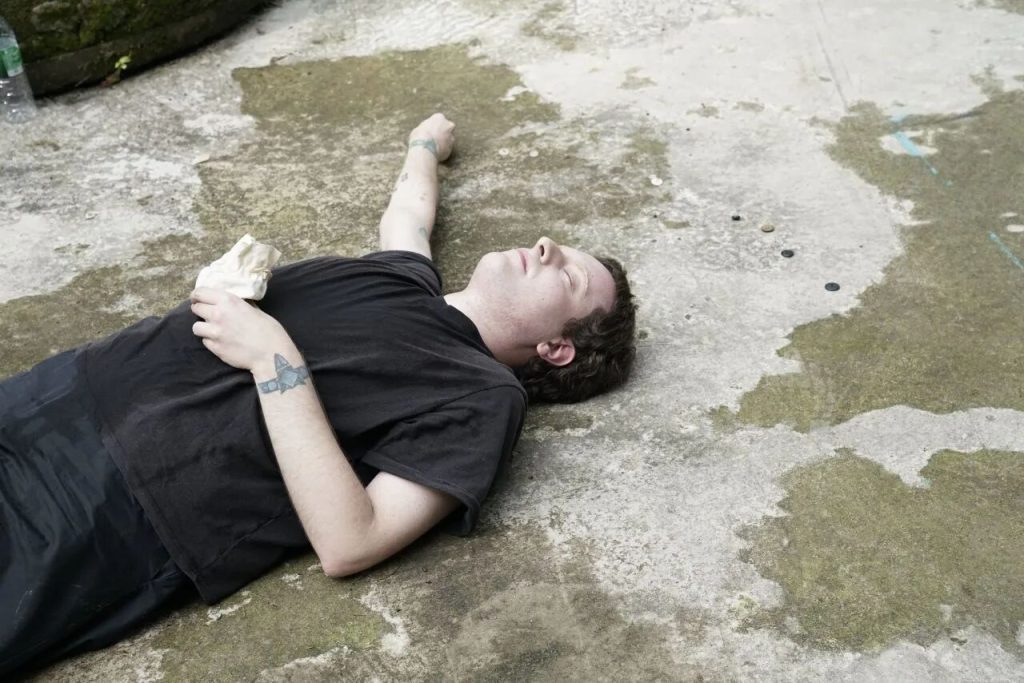
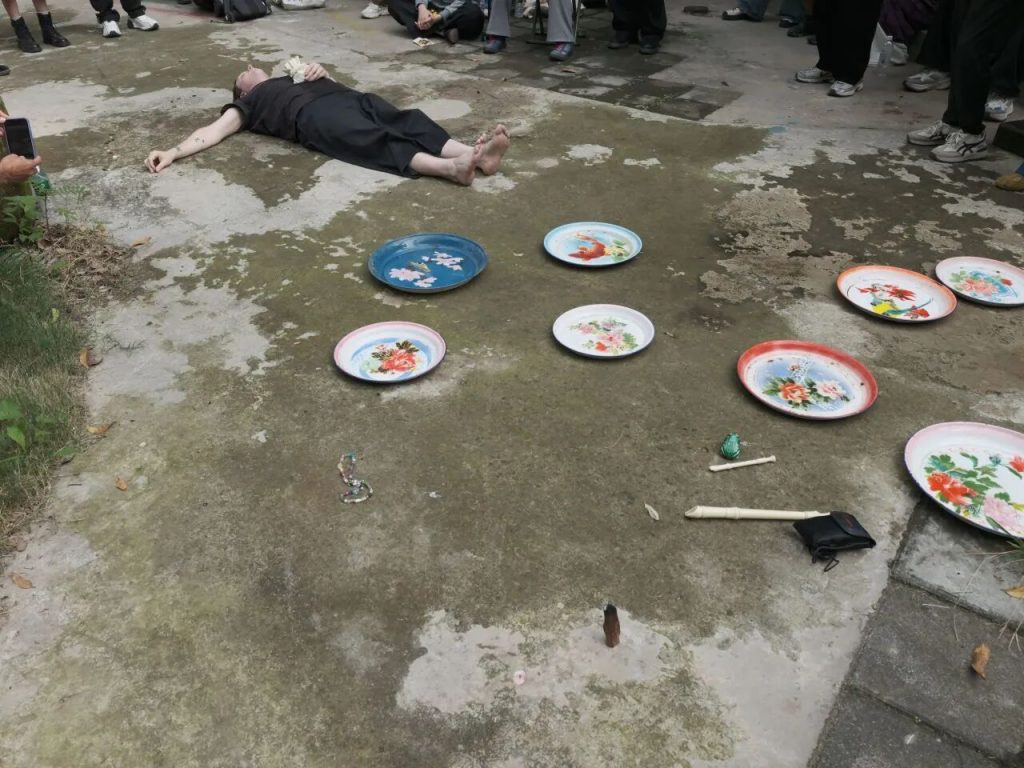
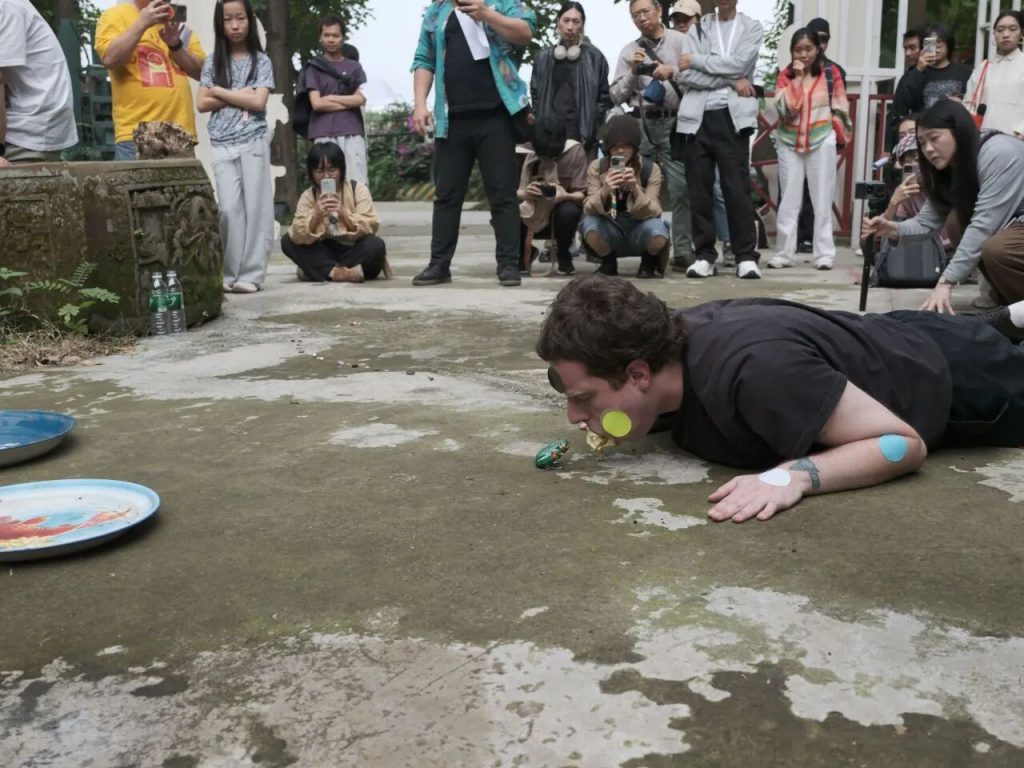
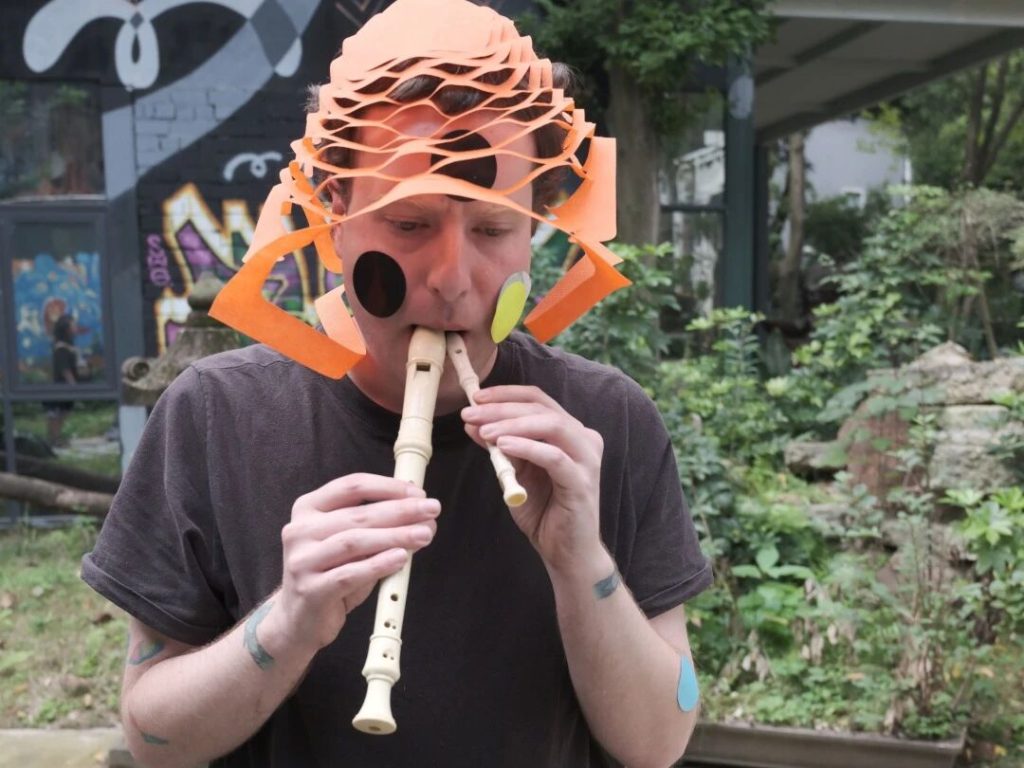
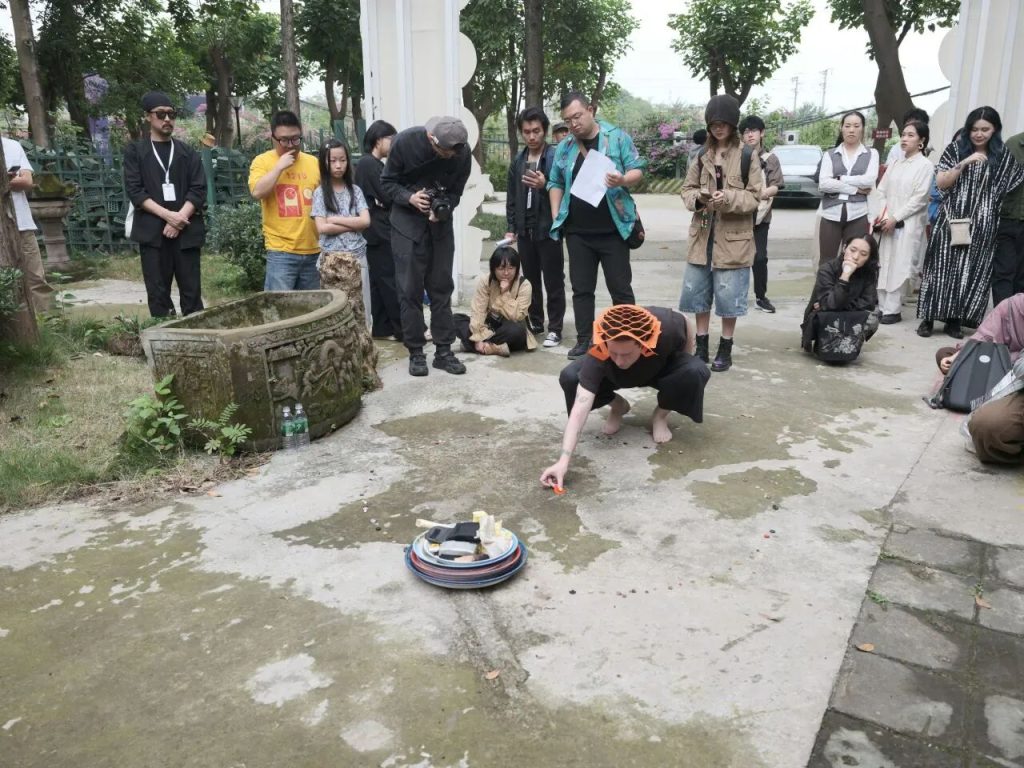
In a small, open-air garden, Eduardo places several dinner plates—each featuring a vintage-style pattern—on the ground. He pours a bottle of water into one of the plates, lifts it, and slowly pours the water over his own head; it streams down his face, soaking his clothes and trousers. He then moves to an open space, lies down slowly with his face turned upward, and holds a cloth bag near his chest. Reaching into the bag, he pulls out various buttons and, using his arm as a radius, carefully arranges them in a circle around his body. After standing up, he applies colorful, circular stickers to his own face, as well as to the audience members nearby. A clockwork frog is placed on the ground; as its mechanism turns, it hops about erratically. When it stops, the artist stuffs paper into his mouth and lies prone on the ground, staring face-to-face at the frog. He then rises, takes two recorders—one large, one small—and attempts to play both simultaneously. Finally, he stacks the dinner plates, placing various materials on the topmost one, and positions the stack at a point along the circle of buttons. He affixes a sticker to the center of the circle, and with that, the performance concludes.
Gia Wang(Beijing)
The Fate
35 minutes
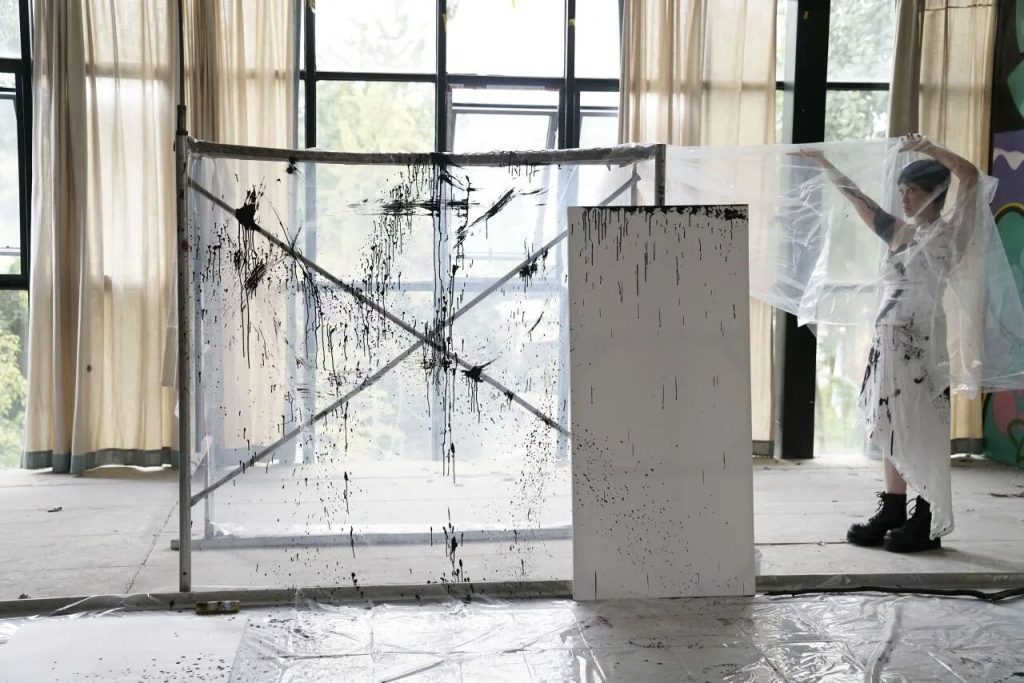
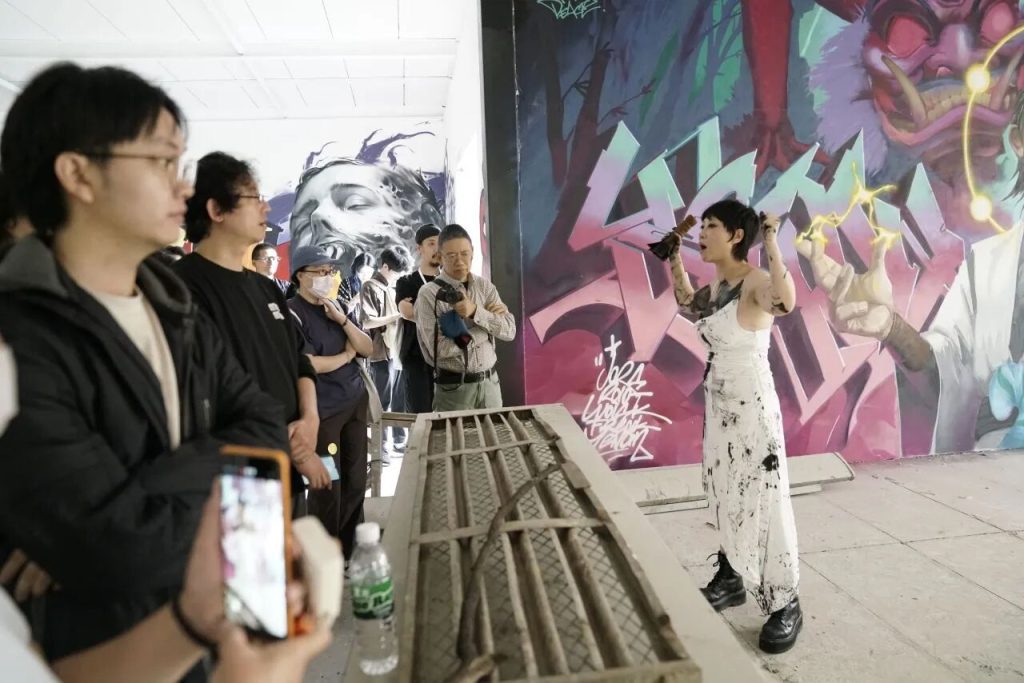
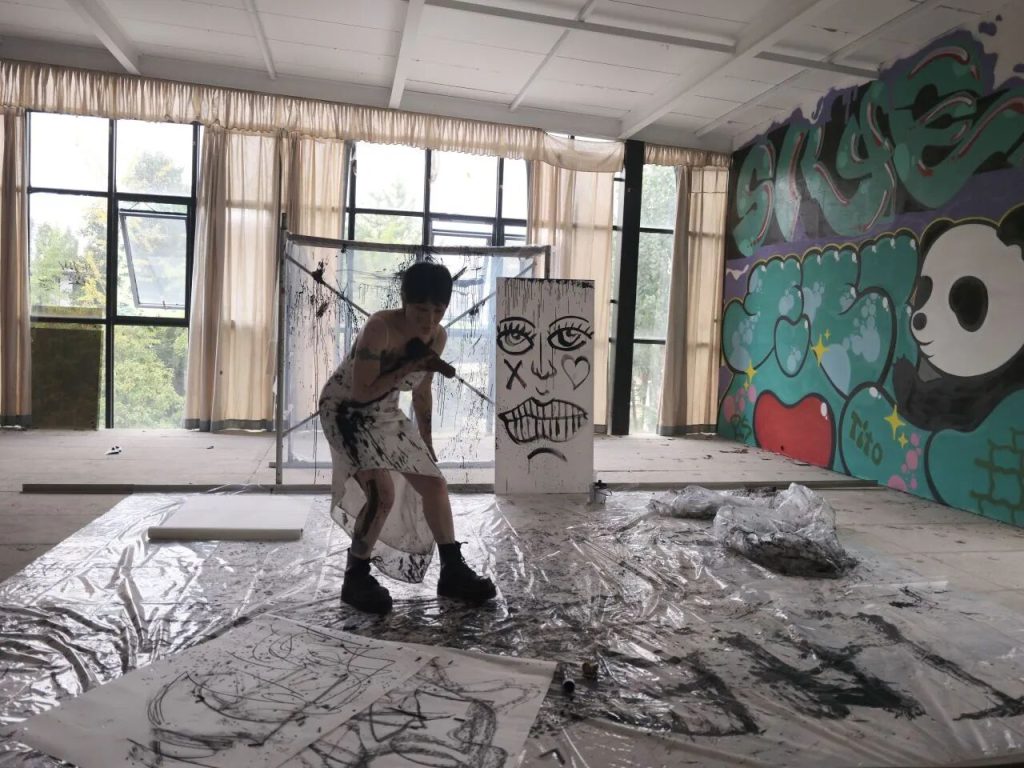
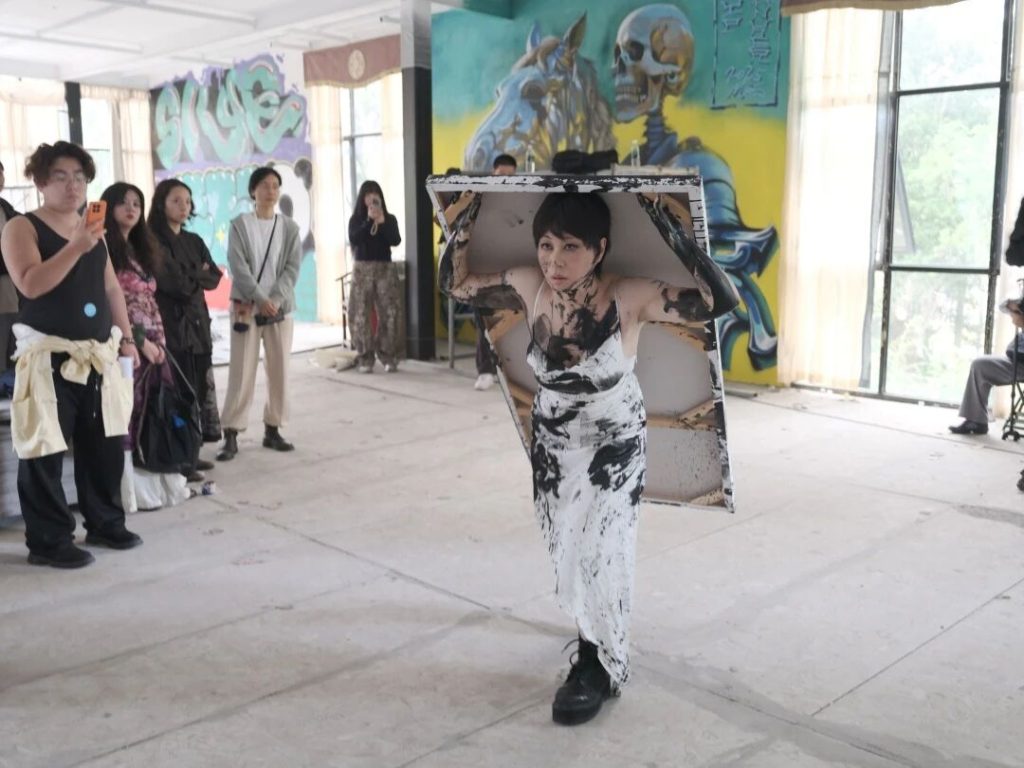
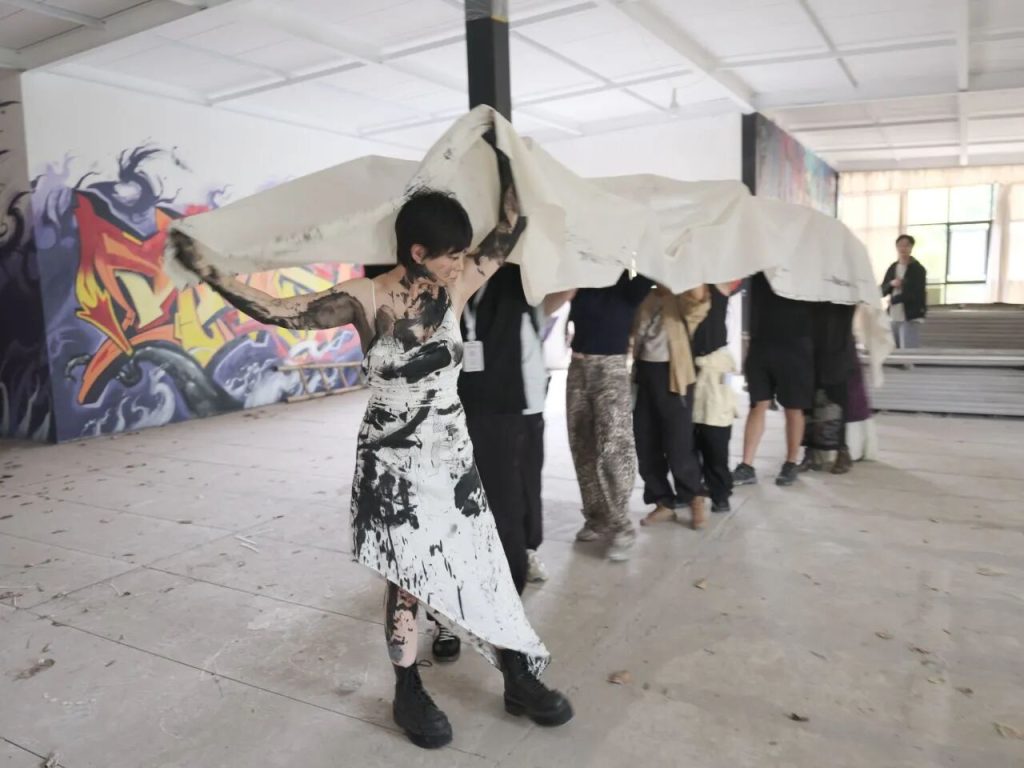
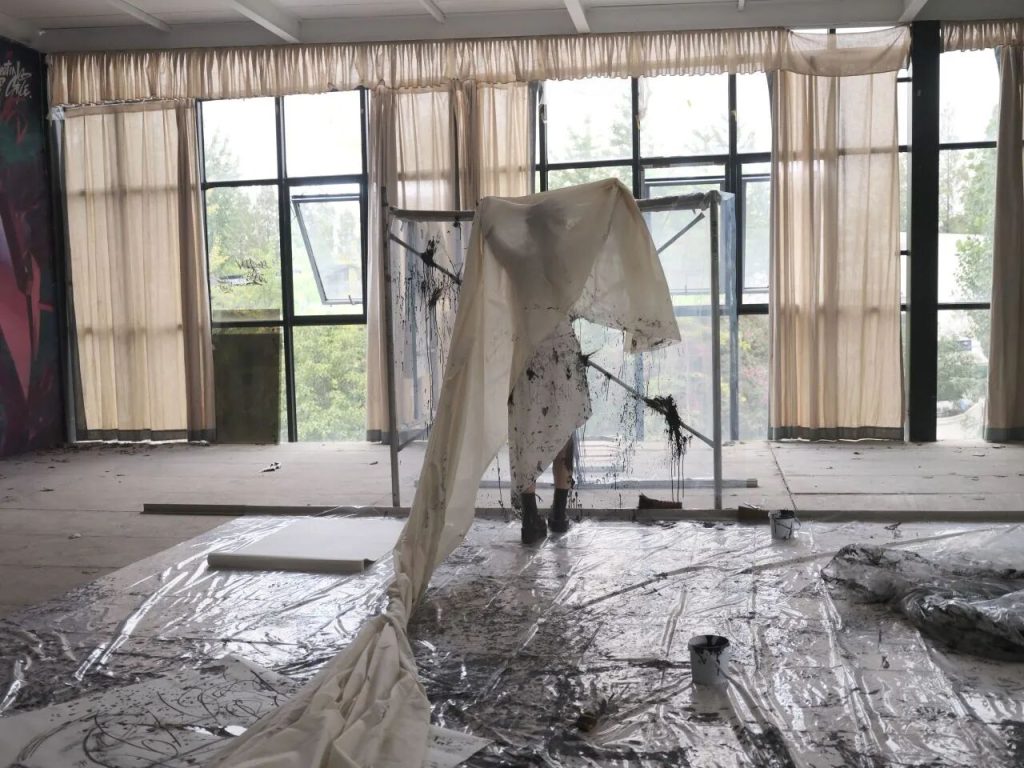
Immersive music‑art live work
Materials: Electronic orchestral score, plastic sheet, acrylic paint, paintbrushes, artist’s body
Work statement:
This is an ever‑evolving immersive music‑art live work, first conceived in 2023 with no definitive final version. Built upon electronic orchestral score, it integrates on‑site painting actions and the artist’s physical performance. The work mutates each time it is staged in different venues. Sound, paint and bodily expression interweave to materialize the theme of fate in real‑time, every performance constitutes a unique iteration of the piece.
HOU Zailun(Guiyang)
300ML·Spring
4.5 hours
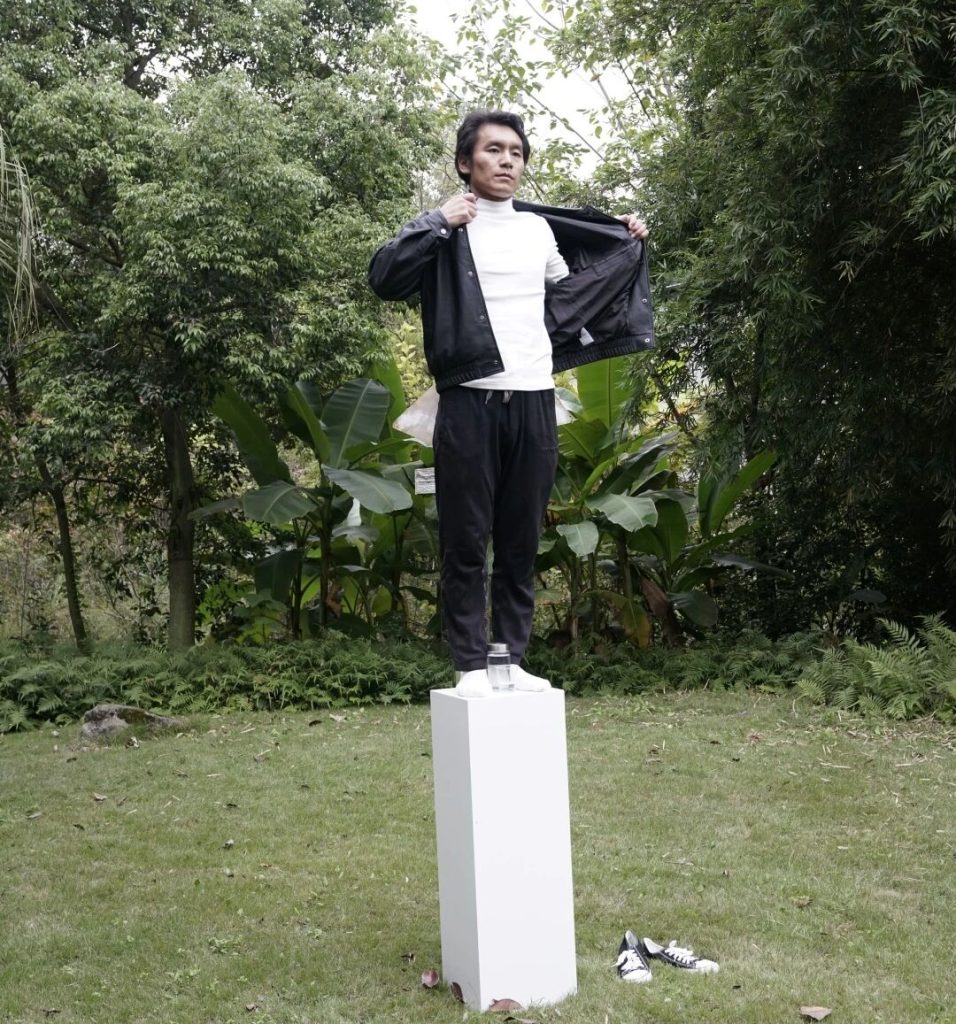
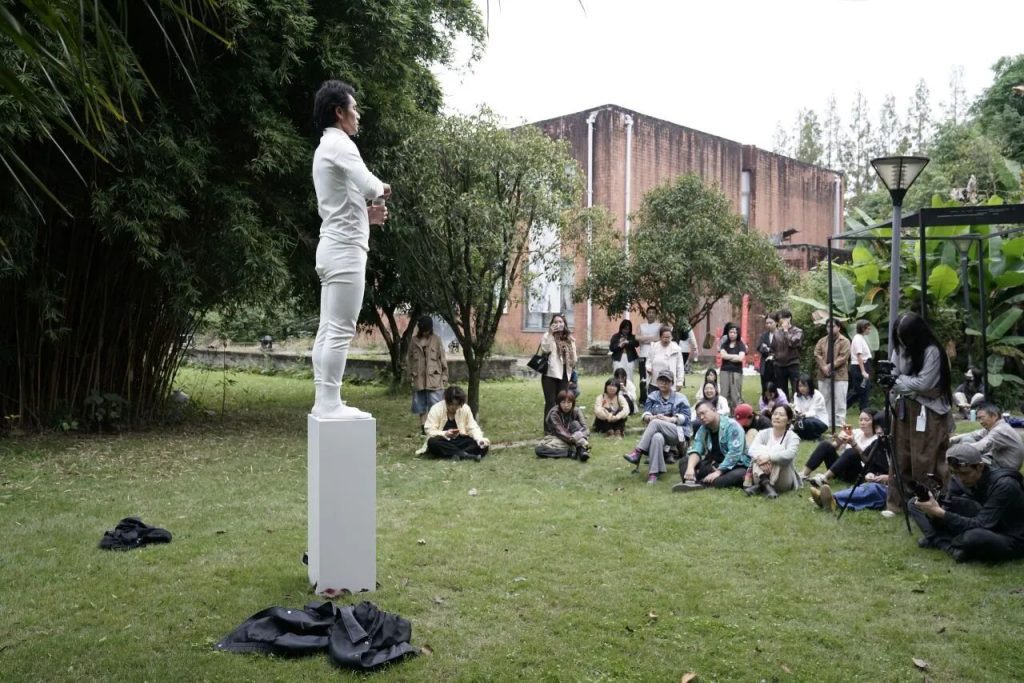
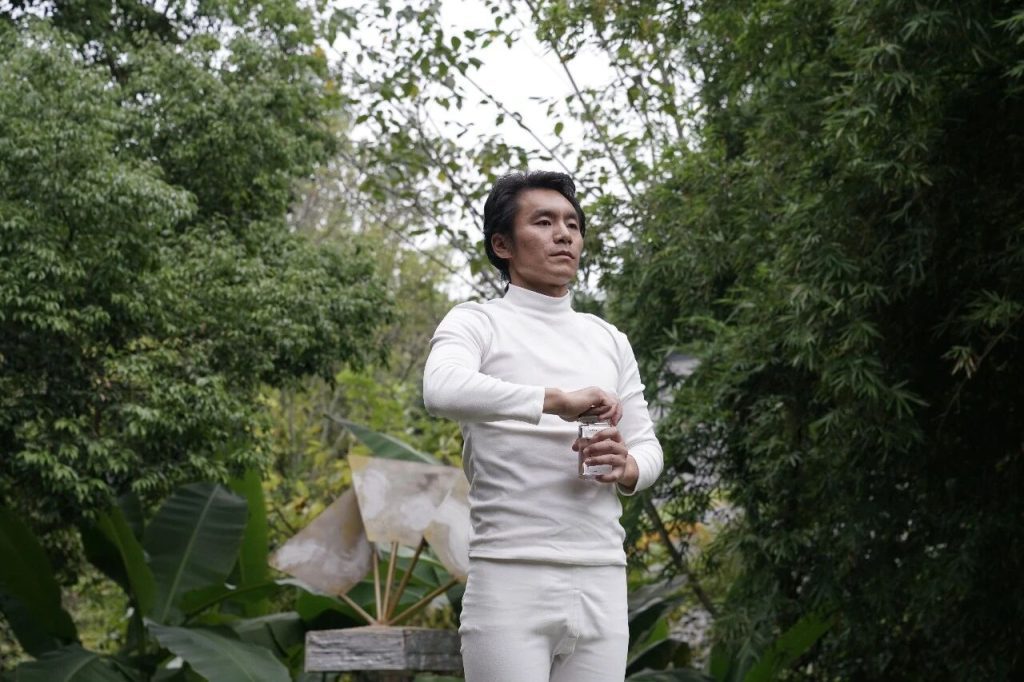
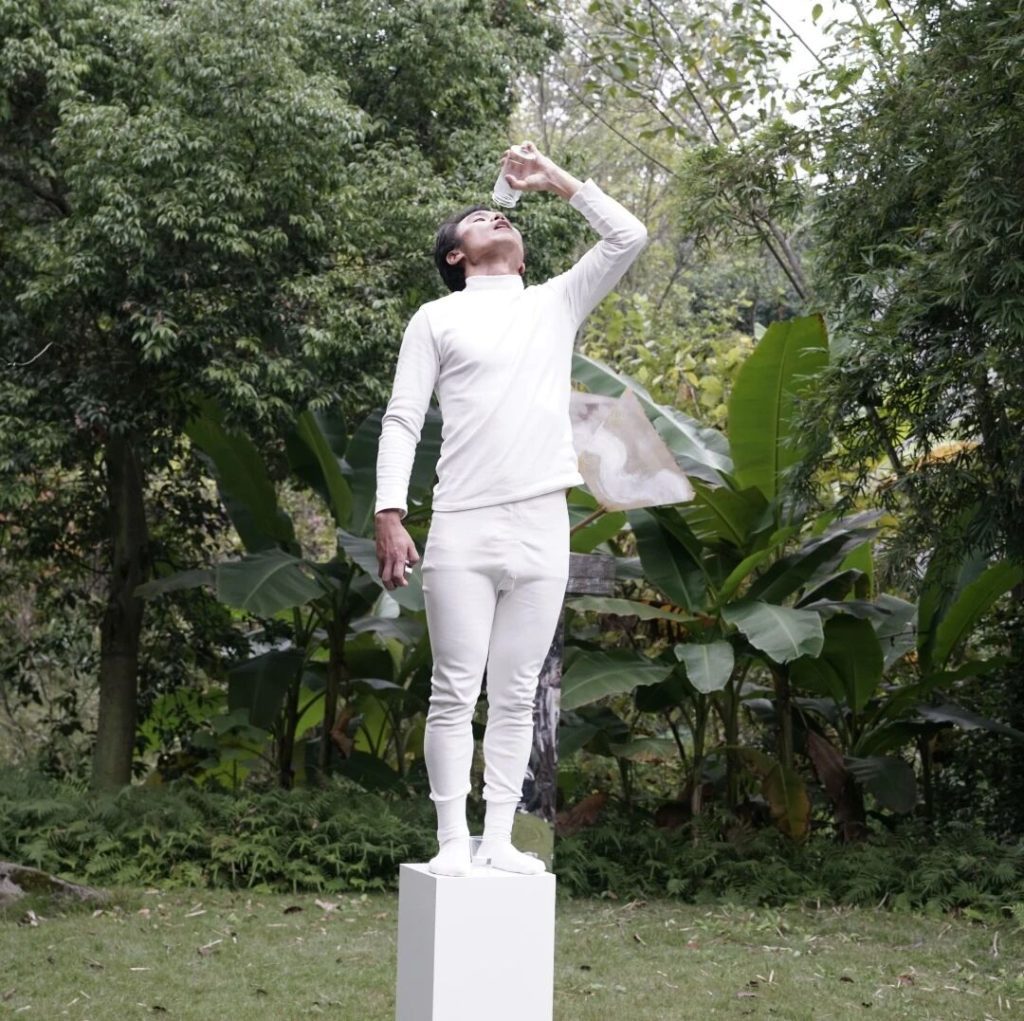
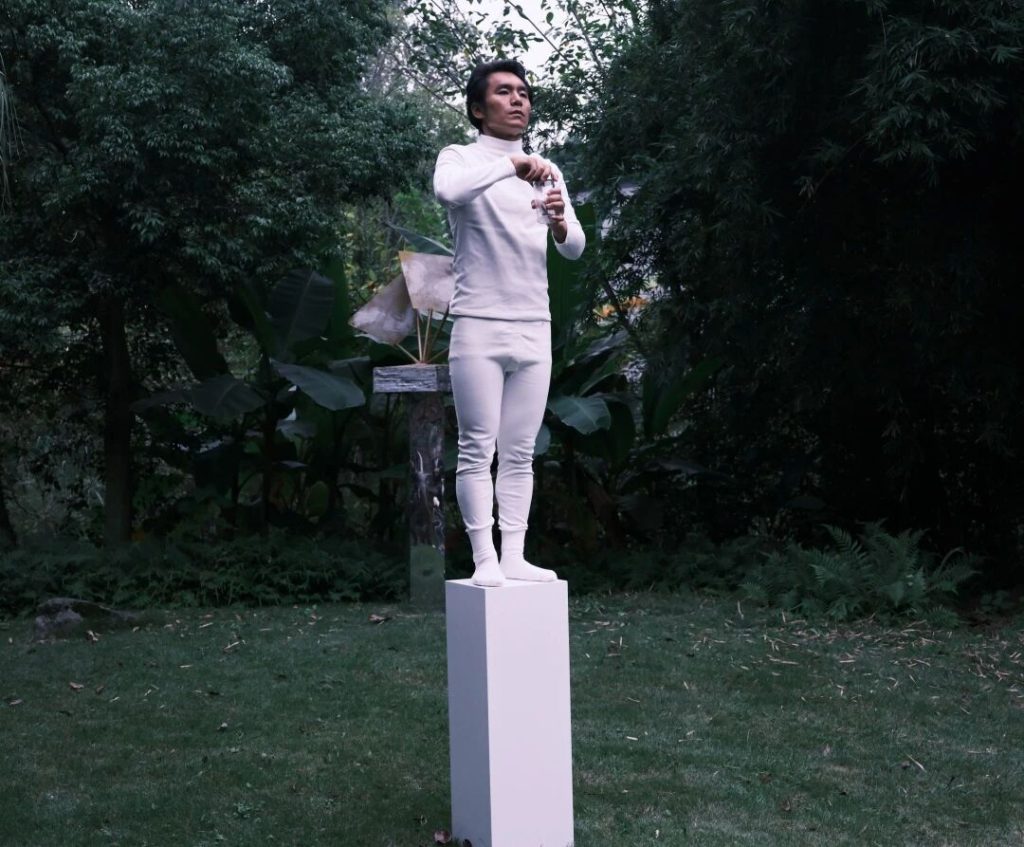
This is a performance piece centered on the body, the natural environment, and natural time—a reflection on an era of acceleration that filters out the act of waiting. Today, we have grown accustomed to skipping over processes that are long, silent, or unproductive; consequently, our bodily time struggles to align with the demands of social efficiency.
I brought my own body to Chengdu, using it as a medium and leveraging its metabolic functions to transform 300ml of water—provided by members of the audience—into urine. By observing the state of the water (whether clear, murky, etc.), I could infer its origin; I then collected the resulting urine to establish a connection or interaction with the water’s source or its surrounding natural environment.
At the start of the performance, I would hand a cup to an audience member and say, “Please, give me a cup of water.” I would then take 300ml from what was provided, returning the remainder to the audience.
Stepping onto a pedestal, I would slowly drink the 300ml of water, one sip at a time. Finally, I would freeze in a pose—defined by the specific gesture of opening or closing the cup’s lid—and wait for the water to undergo its transformation within my body. In this state, all external movement ceases, while perception and change unfold internally. My focus was on the process of the body’s natural transformation rather than the rapid attainment of a result; for this reason, I did not consume large quantities of water beforehand.
Because my body was situated within the specific context of the performance space, no urge to urinate arose over the course of more than four hours. Ultimately, as my limbs grew rigid, the cup gradually slipped from my grasp, marking the end of the performance.
Vanessa HEER(Switzerland)
Eliane Bertschi(Switzerland)
40 minutes
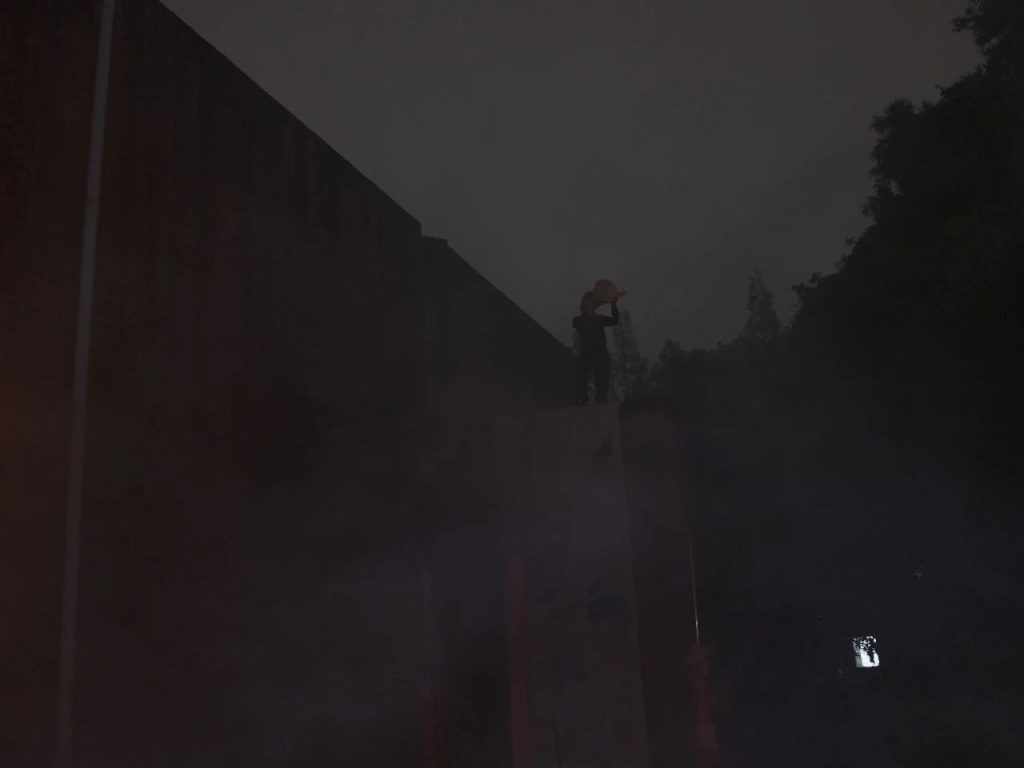
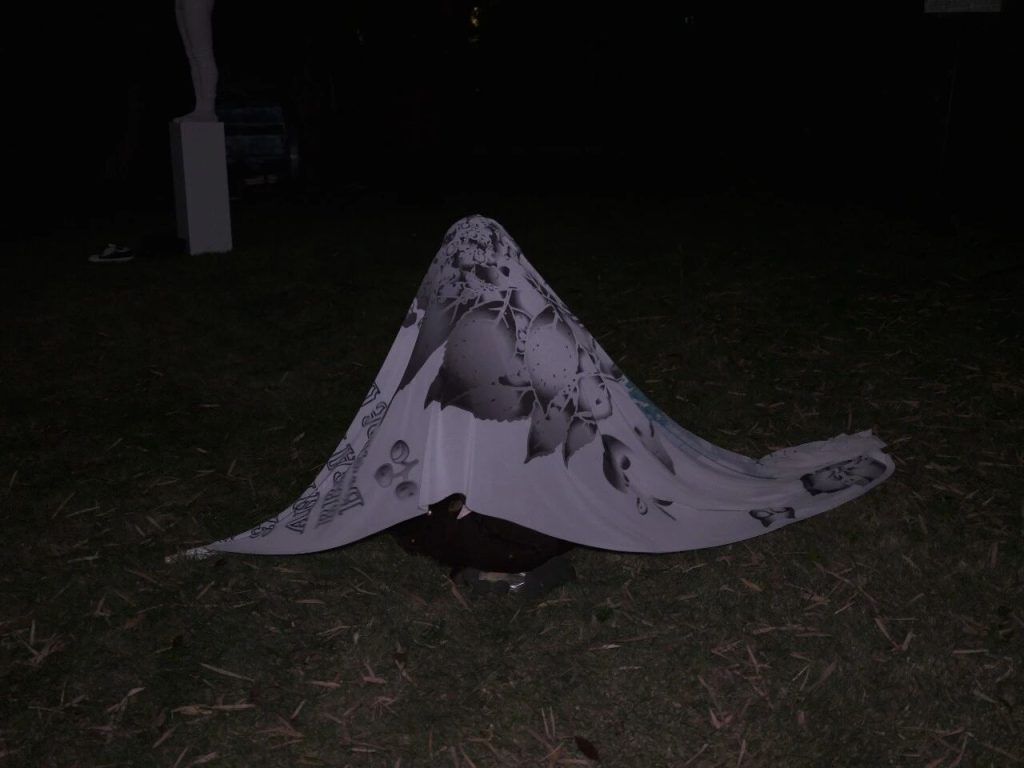
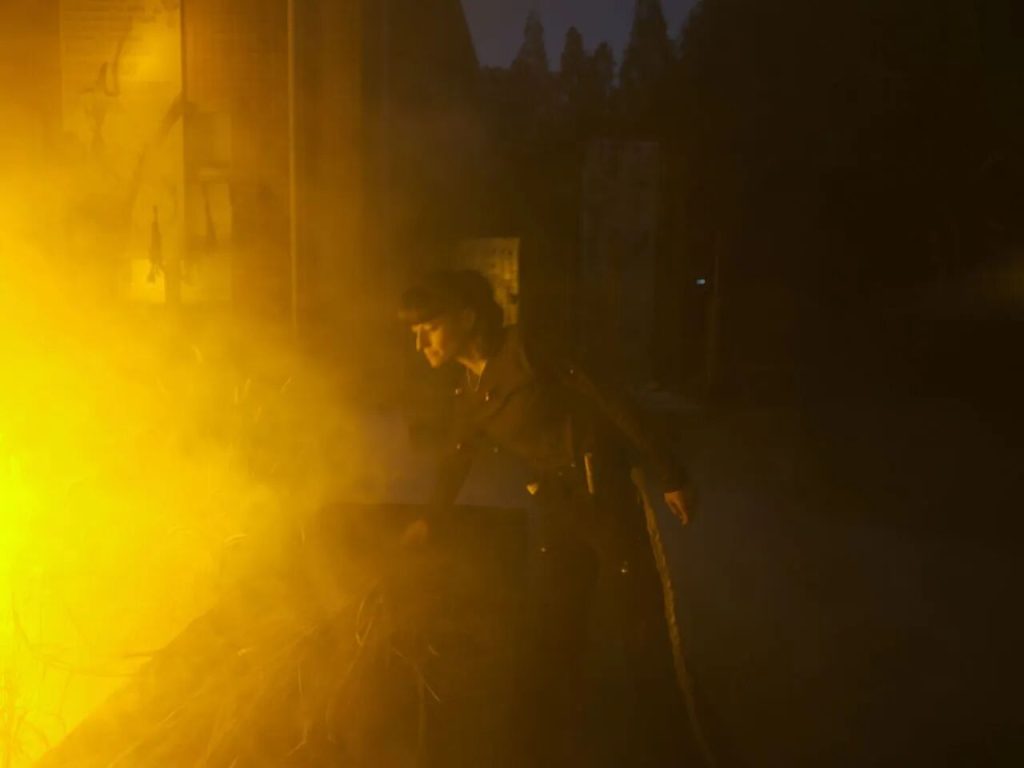
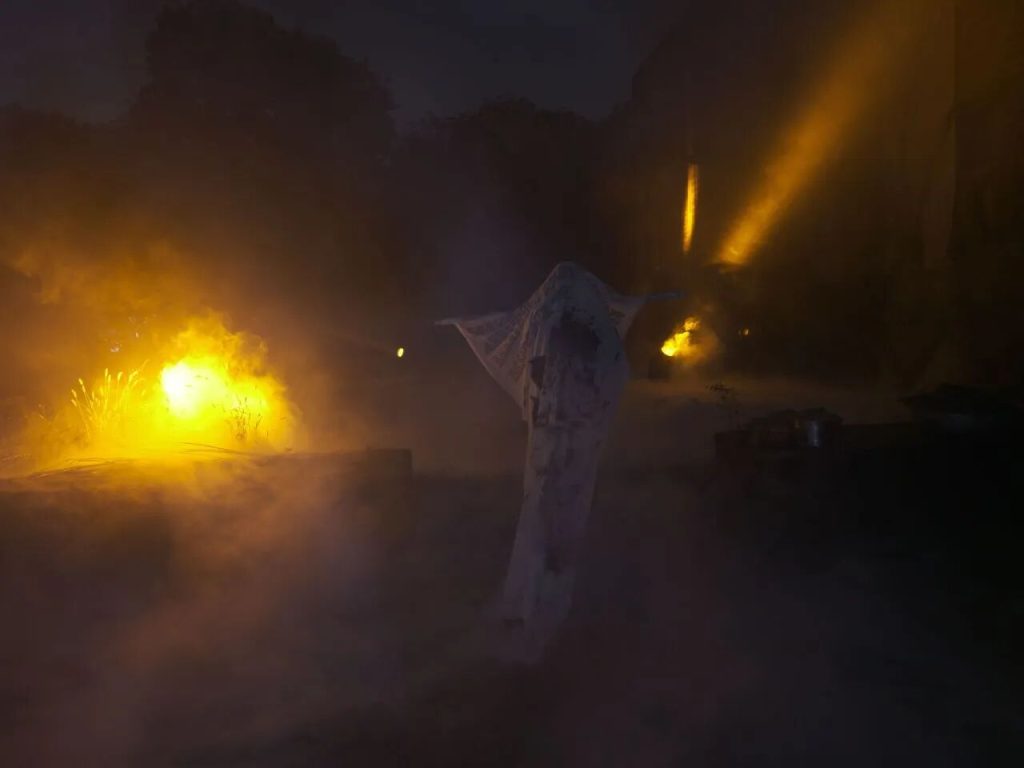
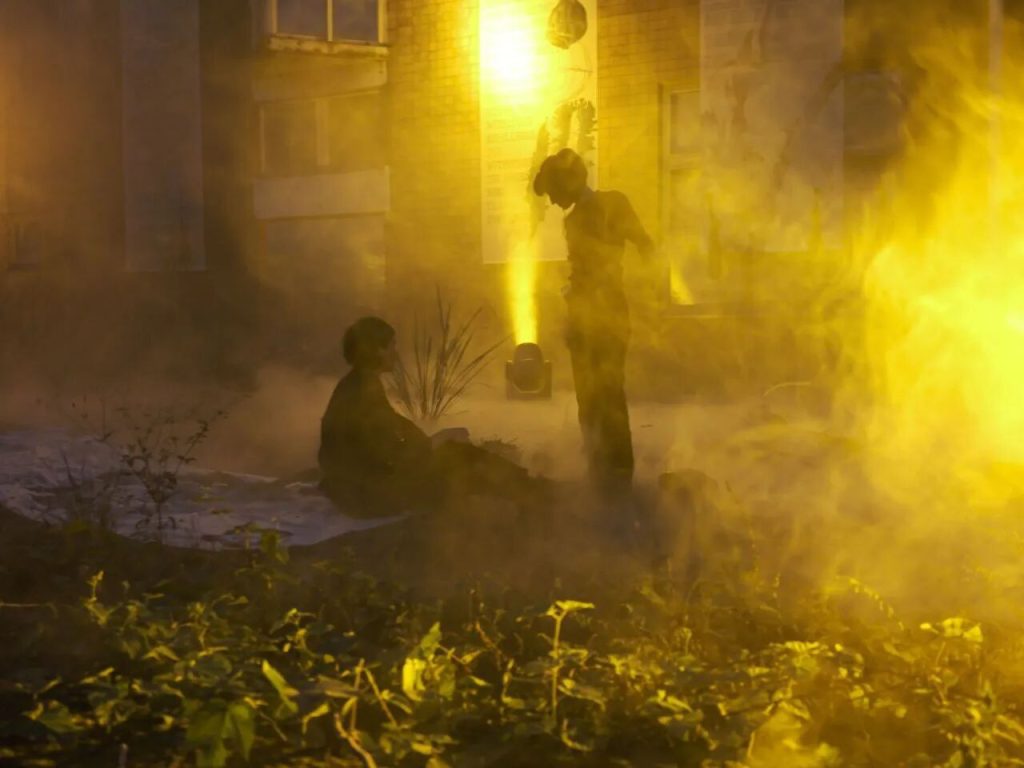
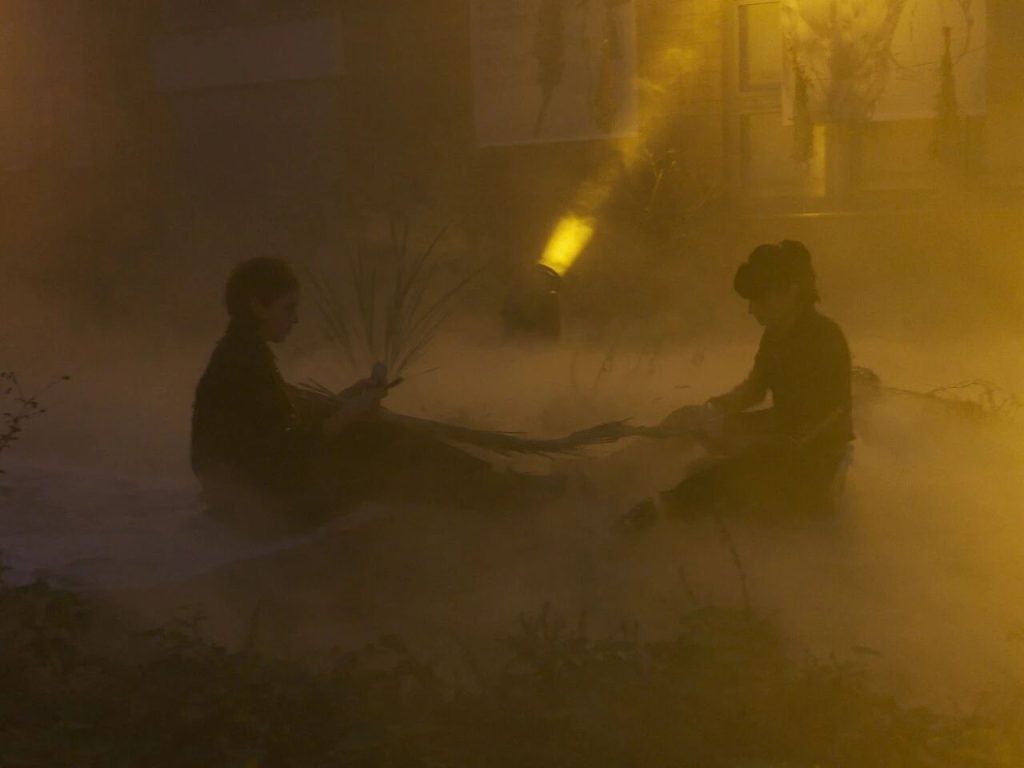
In a performative journey between the Swiss Alps and the Sichuan region, tradition, customs, and ritual are explored as living, ever-changing forms of cultural practice. The two performers, Vanessà Heer and Eliane Bertschi, bring various indoor and outdoor locations to life: Amid thumping bass, flashes of light, and yodeling voices, the performance moves through the landscape, increasingly drawing attention to the vegetation and the world of plants.
Medicinal plants collected from the Swiss Alps and the Sichuan region, collection vessels, smoke rituals, chants, invocations and exclamations, and textile banners inscribed with spells connect diverse local practices of knowledge and protection.
In their artistic work, both artists explore the questioning of tradition, as well as forms of storytelling and multivocal narration.
Tradition is not understood here as a static heritage, but as a living entity that is created, transformed, and reinterpreted by communities. The performance challenges conservative notions of cultural preservation and opens up a cross-disciplinary space for exchange, connection, and the feminist appropriation of rituals and customs. The technical infrastructure—lighting, fog, and projection—becomes performative material in its own right, increasingly blurring the boundaries between the body, the landscape, and technology.Artists supported by Pro Helvetia Shanghai, the Swiss Arts Council.

HOST ORGANISATION
UP-ON Performance Art Archive
CO-HOST ORGANISATIONS

A4 Art Museum, HONIN Art Center, Jinyue Children’s Art Museum, Nongyuan International Art Village
SUPPORTERS
The University Of Iowa, Bbeyond, Donglai Art, Finnish Culture Foundation&Finnish Cultural Foundation Lapland, Pro Helvetia
SPECIAL THANKS
Deng Le, Dong Nu, Tang Yong(Mike), Shi Xiaodong, Wang Yanxin, Ye Di Shan Yu, YES FAITH, Zaijingqi AI Tansuo Space
SUPPORTING MEDIA
Art Monthly, Humanities & Art, Yi Xin Yi Yi
WORK TEAM
Project Director: ZHOU Bin
Project Management: Jody HUANG
Working Group: MM Bean, Iris CHEN, Jody HUANG, Sonia LIU, LIU Yuantao, Lyric LI, Lv Xuedong, WANG Wenfei, ZHANG Jiang, ZHOU Yunqian
Academic Observers: HUANG Jinglan, JIANG Yijia, LIU Chengying, Sophie FAN, Sunny SUN, Zhu Zhu